
Beautiful Plants For Your Interior
Beautiful Plants For Your Interior
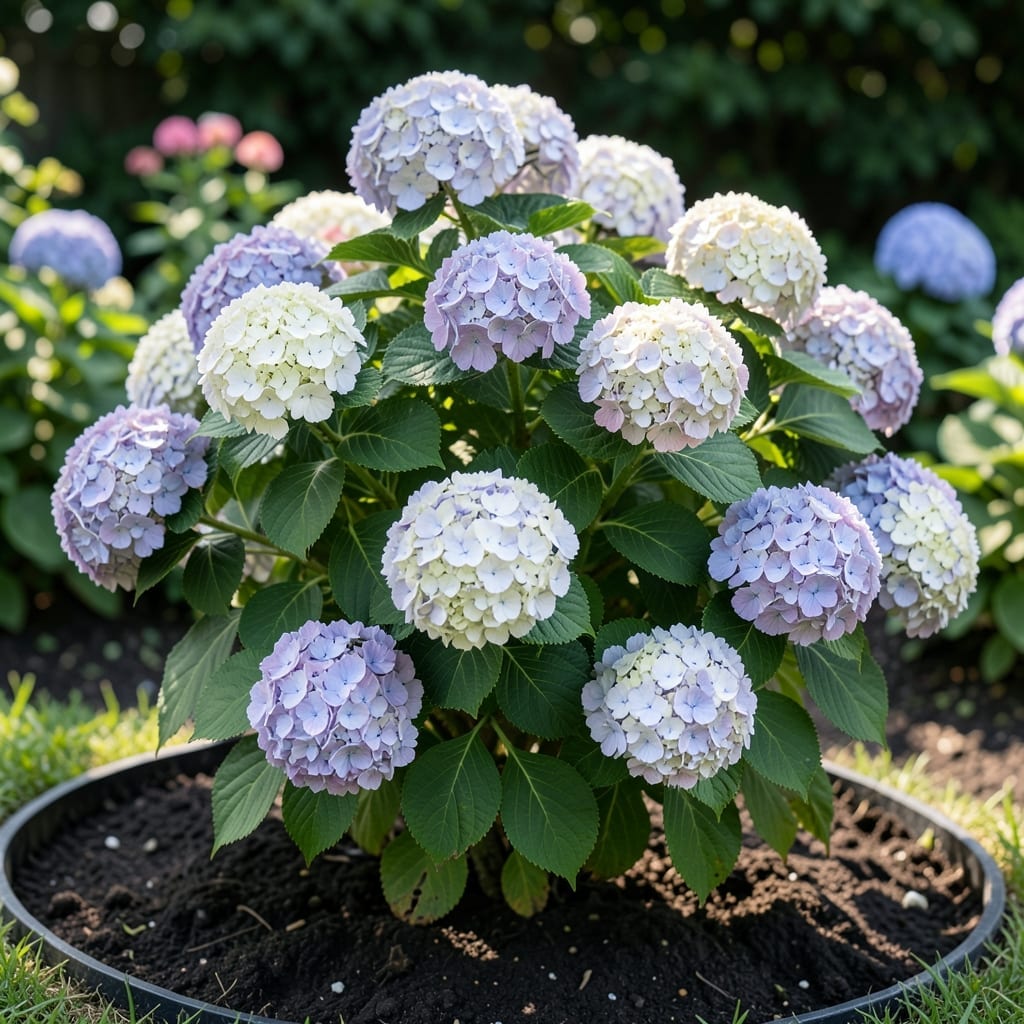
My hydrangeas went from vibrant blue to pale green practically overnight. Turns out, color loss often starts with soil pH or missing nutrients—simple fixes once you know what to look for.
I’ve seen this happen when aluminum becomes unavailable in high pH soil, or when plants lack iron. The blooms fade, leaves yellow between veins, and growth slows. A quick soil test reveals the real culprit.
Adjusting pH with sulfur or adding chelated iron brings back that bold color within weeks. Consistency matters—test soil every season and amend as needed.
Works for bigleaf, oakleaf, and panicle varieties. Here’s how to diagnose and fix it for good.
Hydrangeas losing their vibrant hues often stems from environmental or care-related factors. Below are the most common causes, explained with actionable insights.
Hydrangeas are famous for their color-changing abilities, directly tied to soil acidity. Bigleaf hydrangeas (Hydrangea macrophylla) produce blue flowers in acidic soil (pH 5.0–5.5) and pink in alkaline soil (pH 6.5–7.0). If your hydrangea’s color fades, test the soil pH. Neutral pH (around 6.0–6.5) often results in pale or off-white blooms. Adjust with aluminum sulfate (to lower pH) or lime (to raise pH) based on your desired color.
A lack of essential nutrients can dull flower color. Phosphorus promotes vibrant blooms, while iron and magnesium deficiencies cause yellowing leaves and weak color. Use a balanced, slow-release fertilizer (e.g., 10-10-10) or a hydrangea-specific formula rich in these micronutrients. Over-fertilizing with nitrogen, however, can lead to lush foliage at the expense of flowers.
While hydrangeas need sunlight, too much direct sun (especially in hot climates) can bleach petals, turning them white or pale. Bigleaf hydrangeas thrive in partial shade (morning sun + afternoon shade). If your plant is in full sun, consider relocating it or providing shade cloth during peak hours.
Soggy roots from overwatering or compacted soil can stress the plant, leading to weak, discolored blooms. Hydrangeas prefer moist but well-draining soil. Ensure pots have drainage holes, and amend garden beds with organic matter (like compost) to improve aeration. Water deeply but only when the top inch of soil feels dry.
Extreme heat or cold can shock hydrangeas, muting their colors. In hot regions, mulch (2–3 inches of organic material) helps retain moisture and regulate soil temperature. In colder zones, protect roots with mulch or burlap wraps in winter to prevent dieback, which can affect next season’s blooms.
Bring your hydrangeas back to their vibrant best with these targeted fixes. Each solution addresses a specific cause, so you can act fast and effectively.
If your hydrangeas are losing their blue or pink hues, test the soil pH. For blue flowers, lower the pH to 5.0–5.5 by adding aluminum sulfate (1 tbsp per gallon of water) or sulfur (follow package instructions). For pink flowers, raise the pH to 6.0–6.5 with lime (1 cup per 10 sq ft). Retest every 2–3 months and adjust as needed.
Prevention tip: 💡 Use a pH meter to monitor soil acidity regularly, especially after heavy rain or fertilizing.
Yellowing leaves or pale blooms often signal a lack of nutrients. For nitrogen deficiency (pale leaves, stunted growth), apply a balanced fertilizer (10-10-10) or organic options like compost. For iron deficiency (yellow leaves with green veins), use chelated iron or an iron-rich foliar spray. Always water deeply after applying to help roots absorb nutrients.
Prevention tip: 🎯 Feed hydrangeas with a slow-release fertilizer in early spring and mid-summer to maintain steady nutrient levels.
Too much direct sunlight can bleach hydrangea blooms, while too little can weaken the plant. Move potted hydrangeas to a spot with morning sun and afternoon shade. For in-ground plants, use shade cloth during peak sun hours (12–3 PM) in hot climates. Ensure they get at least 4–6 hours of sunlight daily for healthy blooms.
Prevention tip: ✨ Plant hydrangeas in a location with dappled sunlight or where they’re protected from harsh afternoon rays.
Inconsistent watering can stress hydrangeas, leading to color loss. Water deeply 2–3 times a week (more in extreme heat) to keep soil moist but not soggy. Mulch around the base with 2–3 inches of organic material (like bark or straw) to retain moisture and regulate soil temperature. Avoid overhead watering to prevent fungal diseases.
Prevention tip: 🌧️ Use a drip irrigation system for consistent moisture, especially during dry spells.
With proper fixes, you’ll see improvement in 2-4 weeks. Soil pH adjustments may take a full growing season for maximum effect. Consistency in care speeds up the process.
Yes! Lower soil pH to 5.0-5.5 with aluminum sulfate. This makes aluminum available to the plant, creating blue blooms. Test soil first to determine current pH.
This often signals iron deficiency. Apply chelated iron or use an acidifying fertilizer. Yellowing between leaf veins is the classic sign.
Yes, hydrangeas need 4-6 hours of sunlight daily. Too little light weakens the plant and dulls bloom color. Morning sun with afternoon shade works best.