
Beautiful Plants For Your Interior
Beautiful Plants For Your Interior
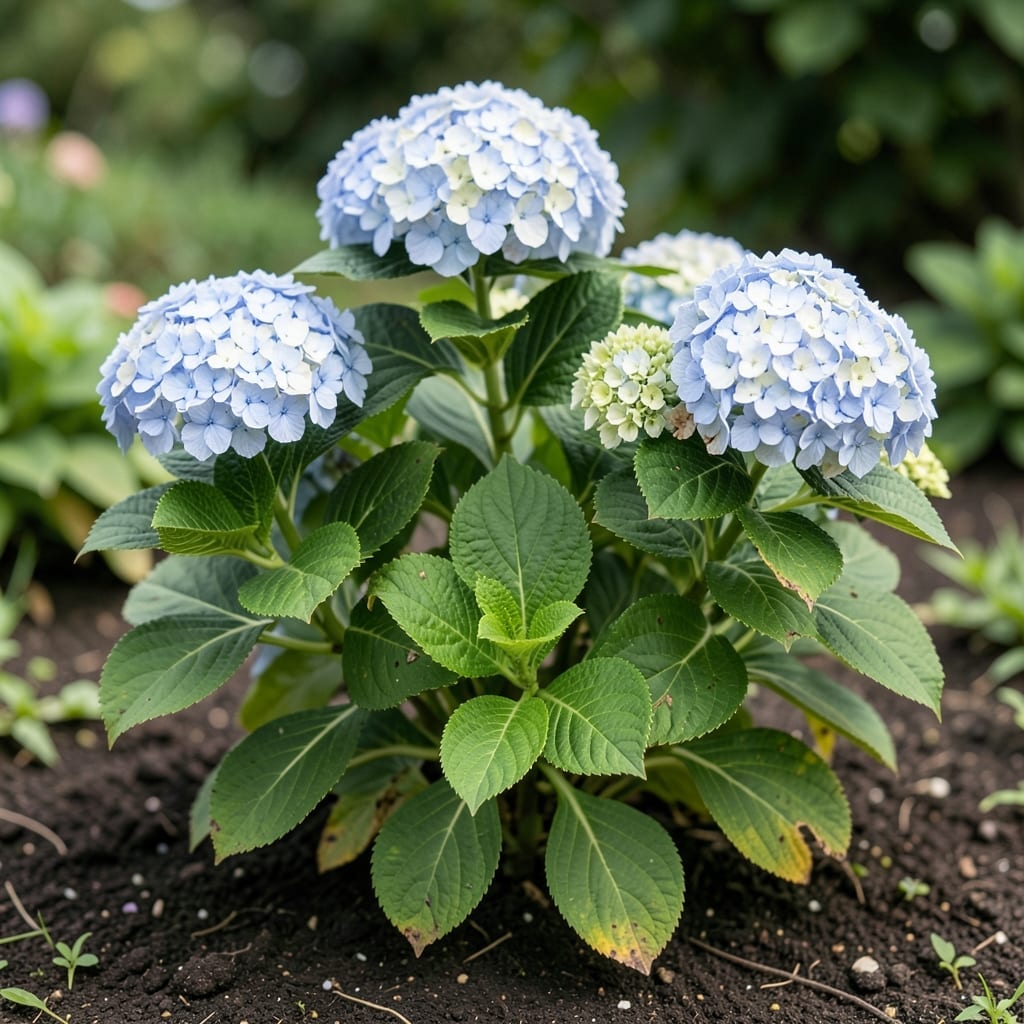
Your hydrangea’s leaves shouldn’t look like tacos. I’ve seen this issue wipe out entire bushes in a weekend, but the fix is usually simpler than you’d think.
Most curling comes from water stress—either too much or too little. Underwatered leaves crisp up, while overwatered ones turn yellow and droop before twisting. A quick finger-test in the soil tells you which problem you’re dealing with.
Pests and disease can also cause curling, but they leave clues. Check for tiny bugs on the undersides or dark spots on the foliage. The solution often involves a hose and some neem oil.
Prevention starts with consistent watering and good airflow. Once you nail that, your hydrangeas will reward you with vibrant blooms and healthy leaves all season long.
Hydrangea leaves curling is often a sign of stress, and several environmental or cultural factors can trigger this reaction. Below are the most common causes, explained with actionable insights.
Hydrangeas thrive in consistently moist but well-drained soil. When underwatered, leaves curl inward to reduce surface area and conserve moisture. Conversely, overwatering suffocates roots, impairing their ability to absorb water and nutrients, which also leads to curling. Check soil moisture 1–2 inches deep—if it’s bone-dry or soggy, adjust your watering schedule.
Too much direct sunlight, especially in hot climates, can scorch leaves, causing edges to curl and brown. Hydrangeas prefer partial shade (4–6 hours of morning sun). If leaves curl during peak heat, provide afternoon shade or use shade cloth. Bigleaf hydrangeas (Hydrangea macrophylla) are particularly sensitive.
Dry air or strong winds accelerate moisture loss, prompting leaves to curl as a defensive mechanism. This is common in urban gardens or exposed areas. Mulch heavily (2–3 inches of organic matter) to retain soil moisture, and consider windbreaks for vulnerable plants.
A lack of magnesium or potassium can cause leaf curling, often paired with yellowing (interveinal chlorosis) or necrotic edges. Test your soil—amend with Epsom salt (magnesium sulfate) or a balanced fertilizer if deficiencies are confirmed.
Sap-sucking pests like aphids, spider mites, or scale drain plant fluids, leading to distorted, curled leaves. Inspect the undersides of leaves for webbing, sticky residue, or tiny insects. Treat with neem oil or insecticidal soap at first signs.
If your hydrangea leaves are curling, these targeted fixes will help restore their health. Address the issue early for the best results!
If your hydrangea is getting more than 6 hours of direct sunlight, especially in hot afternoon hours, it may be sunburned. Move potted plants to a shadier spot or erect a shade cloth for in-ground hydrangeas. Aim for dappled sunlight or morning sun with afternoon shade.
Prevention tip: 💡 Plant hydrangeas in a location where they receive partial shade, especially in warmer climates.
Dry, curling leaves often mean your hydrangea is thirsty. Water deeply at the base of the plant, ensuring the soil is moist but not soggy. Use a moisture meter or your finger to check soil dryness—water when the top 1-2 inches feel dry.
Prevention tip: 🌡️ Mulch around the base with organic material (like bark or compost) to retain moisture and keep roots cool.
Yellowing or wilting leaves with curling edges can signal overwatering. Check the soil—if it’s waterlogged, hold off on watering and let it dry out. Ensure your pot has drainage holes or amend heavy clay soil with compost to improve drainage.
Prevention tip: ✨ Water only when necessary, and use well-draining soil to avoid root rot.
Inspect the undersides of leaves for aphids, spider mites, or scale. Blast pests off with a strong stream of water or apply neem oil or insecticidal soap for severe cases. Repeat treatment every 5-7 days until pests are gone.
Prevention tip: 🎯 Encourage beneficial insects like ladybugs by planting companion flowers nearby.
Extreme heat or cold can cause leaf curl. Protect plants from frost with frost cloths in winter. In summer, increase watering frequency and provide afternoon shade to prevent heat stress.
Prevention tip: 🔥 Choose hydrangea varieties suited to your climate for resilience.
Yes, overwatering can lead to leaf curling by suffocating roots. Always check soil moisture 1-2 inches deep before watering.
Underwatered leaves feel dry and crispy. Pest damage often includes sticky residue or visible bugs on leaf undersides.
New growth will be healthy, but damaged leaves may not fully uncurl. Remove severely affected leaves to redirect energy.
Morning sun is ideal. Afternoon sun often causes heat stress, especially in warmer climates. Aim for 4-6 hours of gentle sunlight.