
Beautiful Plants For Your Interior
Beautiful Plants For Your Interior
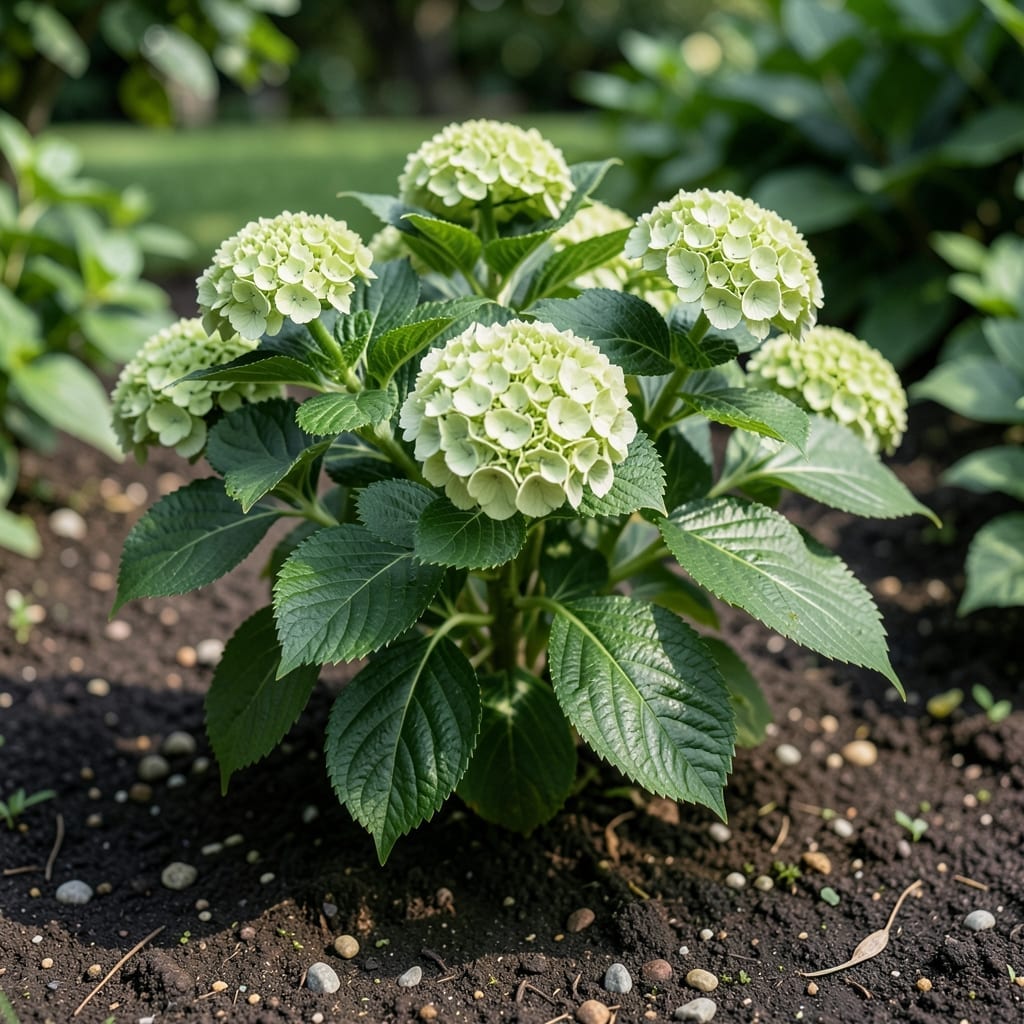
Green hydrangea blooms caught me off guard last summer. I was expecting the usual pink or blue, but there they were—pale, almost sickly looking flowers that had lost their color completely.
Turns out, it’s usually a nutrient imbalance or soil pH shift. Too much nitrogen or not enough phosphorus can wash out the color, while the wrong pH locks out the nutrients your hydrangeas need to thrive.
Fixing it starts with a soil test. Once you know what’s missing or off-balance, you can adjust with the right amendments. It’s a simple process that brings back those vibrant blooms in no time.
We’ve helped dozens of gardeners diagnose and correct this issue. The solution is often easier than you’d think.
Hydrangea flowers turning green can be surprising, but it’s usually a sign of environmental or biological changes. Here’s why it happens:
Hydrangeas are famous for their color-changing abilities, especially Hydrangea macrophylla (bigleaf hydrangeas). Their bloom color is directly tied to aluminum availability in the soil, which is influenced by pH. In neutral to alkaline soils (pH 7.0+), aluminum becomes less soluble, and the flowers may shift toward green or pale shades. This happens because the plant can’t absorb enough aluminum to produce blue or purple pigments, leaving chlorophyll (green) more visible.
Green blooms often appear when chlorophyll—the pigment responsible for photosynthesis—overpowers the flower’s natural anthocyanins (blue/pink pigments). This is common in shaded conditions or when the plant is stressed. Young blooms may also start green because they’re still photosynthetically active before fully maturing into their intended color.
A lack of phosphorus or excess nitrogen can cause unusual green tones. Nitrogen promotes leafy growth, and if overapplied, it may reduce flowering or lead to green-tinted blooms. Conversely, phosphorus supports vibrant colors, and its deficiency can result in dull, greenish hues. A soil test can confirm imbalances.
In rare cases, iron or magnesium deficiencies (common in alkaline soils) may also contribute to color shifts by disrupting pigment production.
If your hydrangea flowers have turned green, don’t worry—there are practical ways to restore their vibrant hues. Below are targeted fixes for the most common causes, along with prevention tips to keep your blooms colorful.
Green hydrangea flowers often signal neutral soil pH (around 7.0). To shift the color:
💡 Pro Tip: Amend soil gradually—drastic pH changes can stress plants. Retest pH every 2–3 months.
Excess nitrogen or phosphorus can cause greenish blooms. Fix it by:
Stress from too much shade or inconsistent watering can dull flower colors. Try these:
✨ Prevention: Use a soaker hose to water at the base and avoid wetting foliage, which can invite disease.
If blooms turn green and show spots or wilting:
🎯 Key
No, it’s usually temporary. With proper soil pH adjustments and nutrient balancing, your blooms should return to their intended color next season.
Test every 2–3 months after amending soil, then annually once stable. Home test kits are affordable and easy to use.
Overwatering won’t directly turn blooms green, but it can stress the plant and lead to nutrient uptake issues, which may affect color.
Used correctly, it’s safe. Apply 1 tablespoon per gallon of water around the base, avoiding direct contact with roots or leaves.