
Beautiful Plants For Your Interior
Beautiful Plants For Your Interior
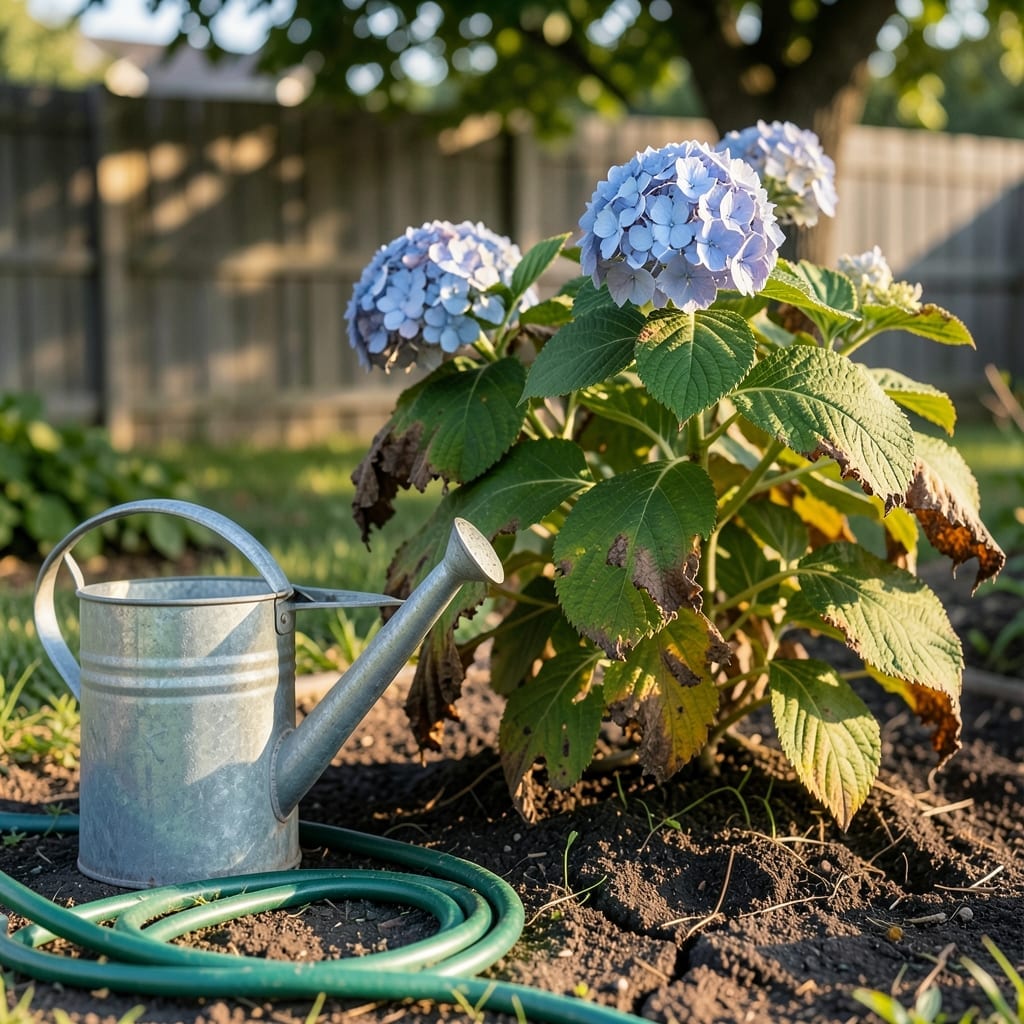
My hydrangea looked like a goner last summer—crispy leaves, drooping stems, zero blooms. Turns out, it wasn’t dead, just desperately thirsty and stressed from the heat.
I learned the hard way that these plants need consistent moisture, especially during dry spells. Overwatering can be just as bad, though, so it’s all about finding that sweet spot where the soil stays damp but never soggy.
With a little tweaking—shade cloth, mulch, and a better watering routine—it bounced back with bigger, greener leaves within weeks. The blooms followed soon after, more vibrant than ever.
Now I check the soil daily in hot weather and adjust as needed. It’s a small effort for a plant that rewards you with months of color.
Understanding why your hydrangeas dry out is the first step to bringing them back to life. Several common factors can lead to this issue, each with its own scientific explanation and solution.
Hydrangeas thrive in partial shade, especially in hot climates. When exposed to full, direct sunlight for extended periods, the leaves and flowers lose water faster than the roots can absorb it—a process called transpiration. This leads to wilting, browning edges, and eventually, a dried-out appearance. Hydrangea macrophylla (bigleaf hydrangeas) are particularly sensitive to this.
These plants have shallow root systems, making them highly dependent on consistent moisture. If the soil dries out completely, the roots can’t uptake water, causing the plant to dehydrate. This is especially critical during heatwaves or drought periods. Check soil moisture 1–2 inches deep—if it’s dry, it’s time to water deeply.
Hydrangeas prefer humid environments. Dry air or strong winds accelerate moisture loss from the leaves, leading to crispy, dried-out foliage. This is common in urban gardens or exposed balconies where wind tunnels form. Mulching around the base can help retain soil moisture and reduce evaporation.
While hydrangeas love moisture, waterlogged roots from poorly draining soil can suffocate the plant, preventing it from absorbing water and nutrients. This paradoxically causes the leaves to dry out and turn brown. Amend heavy clay soil with organic matter (like compost) to improve drainage while retaining moisture.
A lack of essential nutrients, particularly potassium and magnesium, can weaken the plant’s ability to regulate water. Potassium helps with osmotic balance (water movement in cells), while magnesium is vital for chlorophyll production. If leaves yellow before drying, a balanced fertilizer (10-10-10) can help restore health.
Don’t lose hope if your hydrangea looks dried out! With the right care, you can bring it back to life. Below are targeted fixes for the most common causes, plus prevention tips to keep your plant thriving.
If the soil is bone-dry, your hydrangea is likely thirsty. Soak the root zone deeply with 1–2 inches of water, 2–3 times a week (more in extreme heat). Use a moisture meter or stick your finger 2 inches into the soil—if it’s dry, it’s time to water. Prevention tip: 💡 Mulch with 2–3 inches of organic matter (like bark or compost) to retain moisture and regulate soil temperature.
Hydrangeas wilt fast in scorching afternoon sun. Move potted plants to a spot with morning sun and afternoon shade, or use a shade cloth for in-ground plants. If relocating isn’t an option, increase watering frequency temporarily. Prevention tip: 🎯 Plant hydrangeas in locations with dappled light or east-facing exposure from the start.
High temperatures dry out soil quickly. Water at the base (not leaves) early in the morning to reduce evaporation. For extra relief, lay a damp towel or burlap around the root zone during heatwaves. Prevention tip: ✨ Choose heat-tolerant varieties like Hydrangea paniculata if you live in a hot climate.
Compacted or nutrient-poor soil struggles to hold water. Loosen the top 6 inches of soil and mix in peat moss or compost to improve retention. Feed with a balanced fertilizer (10-10-10) in spring and summer. Prevention tip: 🌱 Test your soil annually and amend as needed to maintain a slightly acidic pH (5.2–6.2) for most hydrangeas.
Water deeply 2-3 times per week, providing 1-2 inches of water each time. Check soil moisture by inserting your finger 2 inches deep—if dry, it’s time to water.
Yes, if the stems are still green inside. Prune dead leaves, water deeply, and move to shade. Recovery may take 2-4 weeks with consistent care.
Water early morning to reduce evaporation. Avoid evenings to prevent fungal growth. Always water at the base, not the leaves.
Avoid fertilizing until the plant recovers. Focus on hydration first. Once healthy, use a balanced 10-10-10 fertilizer monthly.