
Beautiful Plants For Your Interior
Beautiful Plants For Your Interior
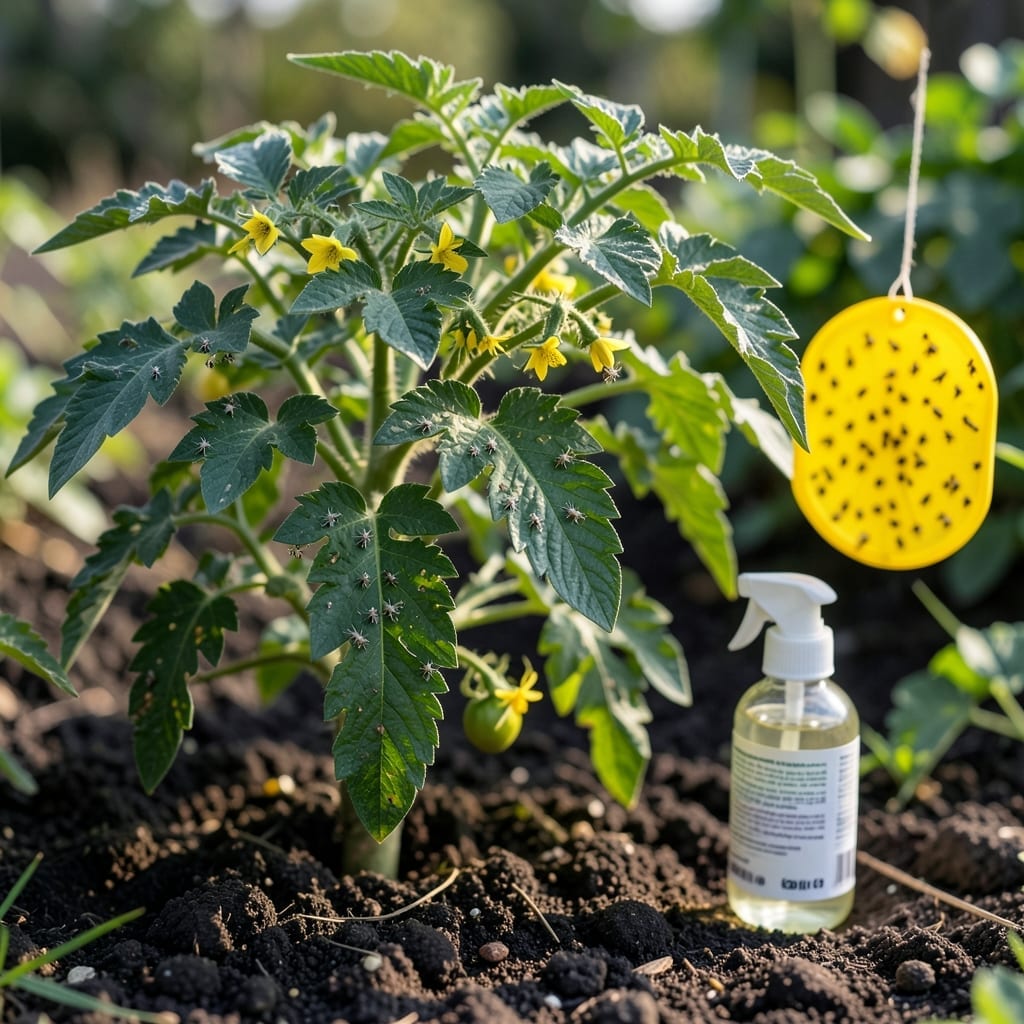
Tiny white clouds on your leaves mean trouble. I first spotted whiteflies on my tomato plants last summer, and within 48 hours they’d spread to every nearby plant.
They’re sneaky—flitting up when you disturb the plant, then settling right back down. Left unchecked, they’ll suck the life out of your plants and leave sticky honeydew everywhere. I lost two pepper plants before figuring out the solution.
The good news? A neem oil spray stops them fast. It disrupts their life cycle and smothers adults on contact. You’ll see results within 24-48 hours of the first application.
I now check undersides of leaves weekly. Prevention beats cure every time with these pests.
Whiteflies are tiny, sap-sucking pests that can quickly overrun your plants if conditions are right. Understanding why they appear is the first step in stopping them. Below are the most common causes, backed by science and gardening best practices.
Whiteflies target stressed or overcrowded plants because their weakened defenses make them easier to infest. Plants grown too close together lack proper airflow, creating a humid, stagnant environment that whiteflies love. Additionally, under-fertilized or water-stressed plants produce weaker cell walls, which these pests can penetrate more easily.
High humidity (above 60%) and damp conditions are prime breeding grounds for whiteflies. These pests thrive in warm, moist environments, where their eggs hatch faster and nymphs develop rapidly. Overwatering or poor drainage can also contribute by keeping soil and foliage consistently wet, attracting adult whiteflies looking for ideal egg-laying spots.
Whiteflies reproduce most aggressively in temperatures between 70–85°F (21–29°C). Greenhouses, indoor gardens, or outdoor plants in warm climates are especially vulnerable. The heat accelerates their life cycle, allowing populations to explode within weeks if left unchecked.
In balanced ecosystems, beneficial insects like ladybugs, lacewings, and parasitic wasps keep whitefly numbers in check. However, broad-spectrum pesticide use or monoculture planting can wipe out these predators, leaving your plants defenseless. Without natural enemies, whiteflies multiply uncontrolled.
Fallen leaves, plant debris, and weeds provide shelter and alternative food sources for whiteflies. Failing to clean up garden waste or rotate crops can create a persistent reservoir for infestations. Even healthy plants nearby can become targets if pests are already lurking in the debris.
Whiteflies can quickly take over your plants, but with the right approach, you can regain control. Here’s how to tackle each cause with practical solutions and prevention tips to keep your garden thriving. Act fast—these pests multiply rapidly!
Whiteflies love dense, stagnant environments. Thin out crowded plants to boost airflow, making it harder for them to settle. Space out pots and prune excess foliage. Prevention tip: 💡 Regularly check the undersides of leaves for early signs of infestation.
Stressed plants attract pests. Revive them with proper watering, nutrient-rich soil, and balanced sunlight. Use organic fertilizers to improve resistance. Prevention tip: ✨ Keep plants healthy with consistent care to deter whiteflies naturally.
Encourage or introduce natural predators like ladybugs, lacewings, or parasitic wasps. These allies feed on whiteflies and their larvae. Prevention tip: 🎯 Plant companion flowers (e.g., marigolds, alyssum) to attract beneficial insects.
Apply neem oil or insecticidal soap directly to leaves, focusing on the undersides where whiteflies hide. Reapply every 5–7 days until gone. Prevention tip: 🌡️ Spray in the early morning or late evening to avoid harming beneficial insects.
Discard heavily infested leaves, stems, or plants in sealed bags to prevent spread. Clean up fallen leaves and garden debris. Prevention tip: 🧹 Sanitize tools and pots after handling infested plants.
Combine these methods for the best results, and stay vigilant to keep whiteflies from returning!
Apply neem oil every 5-7 days until the infestation clears. Reapply after rain or heavy watering. Always spray in the early morning or late evening for best results.
They thrive in warm, humid conditions and can hide in plant debris. Remove fallen leaves, improve airflow, and introduce beneficial insects like ladybugs to break the cycle.
Yes, mix 1 teaspoon of mild dish soap with 1 quart of water. Spray directly on leaves, focusing on undersides. Avoid harsh soaps that may damage plants.
Combine neem oil with yellow sticky traps to catch adults. Prune heavily infested leaves and isolate affected plants immediately. Results appear within 24-48 hours.