
Beautiful Plants For Your Interior
Beautiful Plants For Your Interior
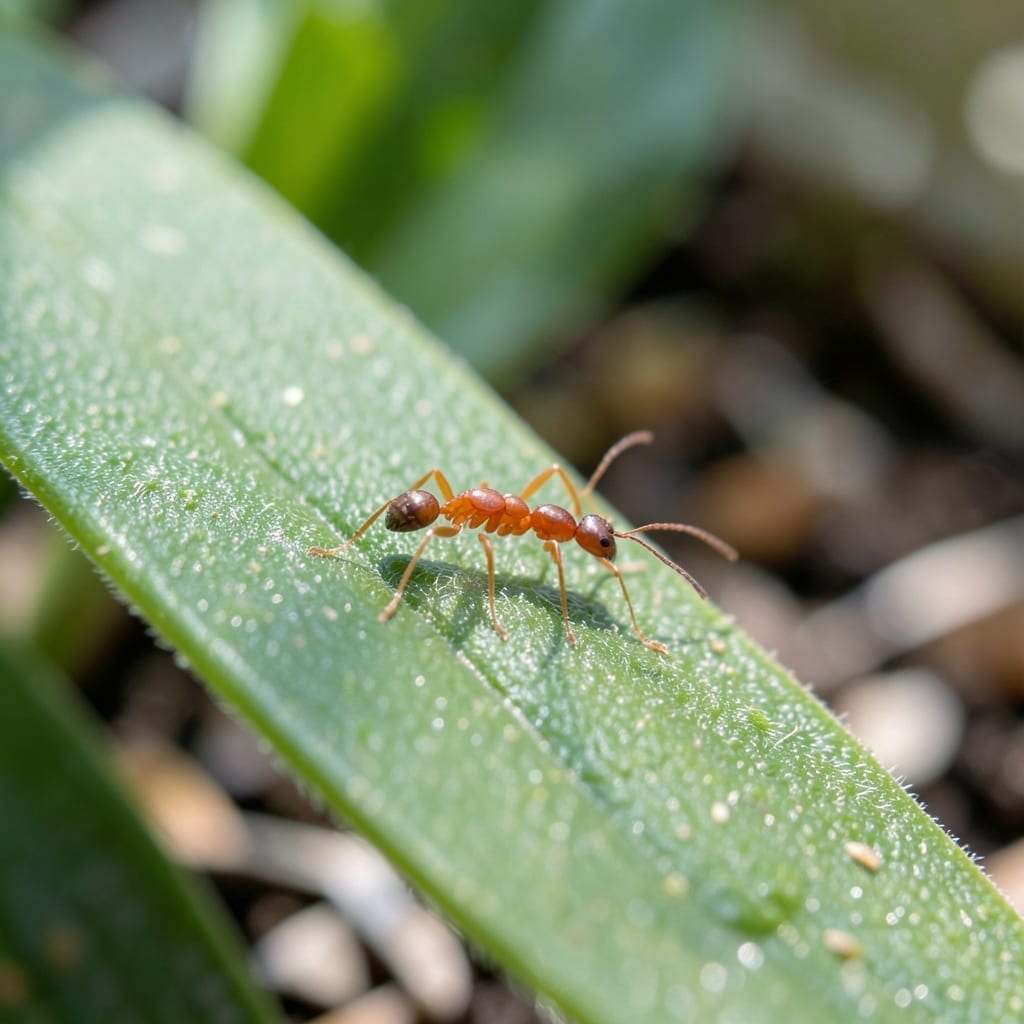
Tiny black trails marching across your orchid pots mean trouble. 🌿 I first noticed ants on my outdoor phalaenopsis last summer, and ignoring them nearly cost me that season’s blooms.
These pests don’t directly harm the plants—they’re farming aphids and scale that do the real damage. The solution isn’t complicated: disrupt their operation with simple barriers and natural repellents that protect both orchids and pollinators.
Within 48 hours of treatment, you’ll see the ant traffic stop. Your orchids will redirect energy to producing those vibrant blooms instead of supporting a pest ecosystem.
Works for all outdoor orchid varieties, from cattleyas to dendrobiums. Here’s the safe approach.
Ants are drawn to your outdoor orchids for a few key reasons, most of which revolve around their natural behaviors and the environment you’ve created. Understanding these causes helps you address the root of the problem.
One of the most common reasons ants swarm orchids is honeydew, a sticky, sugar-rich waste produced by sap-sucking pests like aphids, mealybugs, or scale insects. Ants are naturally attracted to this sweet substance, which they harvest as a food source. If your orchids host these pests, ants will follow, creating a symbiotic (but harmful) relationship that can weaken your plants.
Orchids, especially those grown in bark or moss-based mixes, provide ideal nesting conditions for ants. The organic matter retains moisture and offers hidden crevices where colonies can establish themselves. Potted orchids with loose or airy media are particularly vulnerable, as ants can burrow deep into the substrate to build their nests.
Ants thrive in damp environments, and outdoor orchids often receive frequent watering or are placed in humid microclimates. Overwatered orchids or those with poor drainage can create a moist haven that attracts ants seeking hydration and shelter. Additionally, decaying plant matter in the pot can further entice them.
Some ant species are drawn to the nectar of orchid flowers, especially if the blooms are fragrant or produce extrafloral nectar (a sugar-rich secretion from non-floral parts). While this is less common, it’s another reason ants may crawl over your plants, potentially damaging buds or petals in the process.
Ants on your outdoor orchids can be a nuisance, but there are safe and effective ways to address the issue without harming your plants or the environment. Below are targeted solutions based on the root cause, along with prevention tips to keep your orchids ant-free.
If ants are drawn to the sweet secretions of aphids, scale, or orchid nectar:
💡 Prevention tip: Inspect orchids regularly for pests and clean up fallen petals or debris that may attract ants.
If ants are nesting in the potting mix:
💡 Prevention tip: Use pots with elevated feet or place them on a tray of water with a drop of dish soap to deter ants from climbing up.
For a quick, non-toxic fix:
💡 Prevention tip: Keep your orchid area clean and dry—ants are less likely to explore if there’s no food or moisture.
Yes, repotting in fresh orchid mix removes nesting ants and disrupts colonies. Inspect roots carefully and shake off old media completely before replanting.
No, vinegar can damage leaves and roots. Spray a 50/50 vinegar-water mix around the pot base or on ant trails only. Always avoid contact with the plant.
Inspect orchids weekly during warm months. Look for trails, small mounds in soil, or aphids that attract ants. Early detection prevents larger infestations.
Yes, when placed around pot rims or stems—not on foliage. They create barriers without chemicals. Replace traps every 2-3 weeks for best results.