
Beautiful Plants For Your Interior
Beautiful Plants For Your Interior
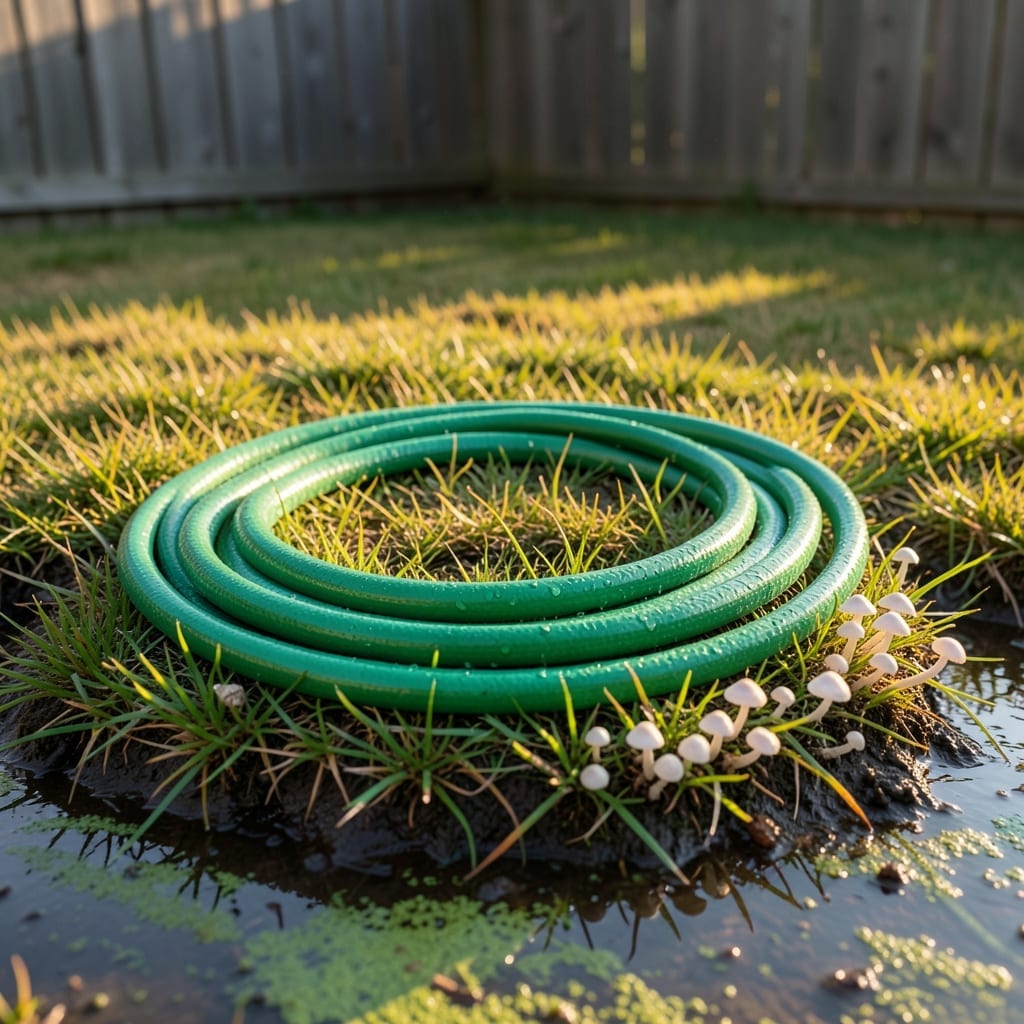
Your lawn might be begging for less water. I learned this the hard way after turning my backyard into a swamp for weeks.
Soggy patches, yellowing blades, and that funky smell are dead giveaways. Fungal growth and spongy grass underfoot confirm it—your turf is drowning, not thriving.
Cutting back on watering frequency and improving drainage can reverse the damage fast. Most lawns need 1-1.5 inches of water weekly, including rainfall.
The fix is simpler than you think. Adjust the schedule, aerate compacted soil, and watch your grass bounce back in days, not weeks.
Overwatering your lawn often stems from well-intentioned but misguided care. Understanding the root causes can help you adjust your habits and keep your grass thriving. Here’s why it happens:
Many homeowners stick to a rigid watering schedule without considering weather conditions or soil moisture levels. If your lawn gets frequent, shallow watering—especially during cool or rainy periods—it can lead to waterlogging. Grass roots need oxygen, and saturated soil suffocates them.
Lawns with compacted soil or inadequate drainage retain excess water. Clay-heavy soils, for instance, hold moisture longer than sandy soils. Without proper aeration or slope, water pools on the surface, increasing the risk of overwatering even with moderate irrigation.
Different grass species have varying water requirements. Cool-season grasses (like Kentucky bluegrass) need more water than warm-season varieties (like Bermuda grass). If you water uniformly without accounting for these differences, some areas may get drowned while others stay parched.
Pro tip: Check your grass type and adjust watering frequency accordingly—most lawns thrive on 1–1.5 inches of water per week, including rainfall.
The good news is that an overwatered lawn can often bounce back with the right adjustments. Here’s how to tackle each issue head-on:
If your lawn feels like a swamp, cut back on watering immediately. Most lawns only need 1–1.5 inches of water per week, including rainfall. Use a rain gauge to track natural precipitation, and adjust your sprinkler schedule accordingly. Water deeply but infrequently—early morning is ideal—to allow roots to dry out between sessions.
Prevention tip: Install a soil moisture sensor to automate watering based on actual need. 💡
Fungus thrives in damp, stagnant conditions. To combat it, aerate your lawn to improve drainage and reduce compaction. Remove thatch buildup with a dethatching rake, and avoid watering in the evening when moisture lingers. For existing fungal patches, apply a fungicide labeled for your grass type, following package instructions.
Prevention tip: Mow regularly to promote airflow, and never let grass clippings clump. ✨
If your lawn looks yellow or limp, it might be suffocating. Stop watering for a few days and let the top inch of soil dry out. Resume with a light watering session to avoid shocking the roots. If the discoloration persists, check for root rot—dig up a small patch of grass to inspect for black, mushy roots.
Prevention tip: Use well-draining soil amendments like compost or sand in problem areas. 🎯
Overwatering creates a haven for pests like grubs and weeds like crabgrass. Reduce watering and switch to a slow-release fertilizer to avoid promoting weak, pest-prone growth. Pull weeds by hand or spot-treat with herbicide, and address pest infestations with targeted solutions (e.g., beneficial nematodes for grubs).
Prevention tip: Keep your lawn healthy with proper mowing, aeration, and balanced fertilization. 🌡️
It often appears yellow or light green, with a spongy feel underfoot. You may also notice fungal growth, waterlogged soil, or a foul odor from stagnant water.
Most lawns need just 1–1.5 inches of water weekly, including rain. Water deeply but infrequently—early morning is best—to allow roots to dry out.
If caught early, your lawn can recover quickly. However, prolonged overwatering can lead to root rot or fungal diseases, which may require reseeding or sod replacement.