
Beautiful Plants For Your Interior
Beautiful Plants For Your Interior
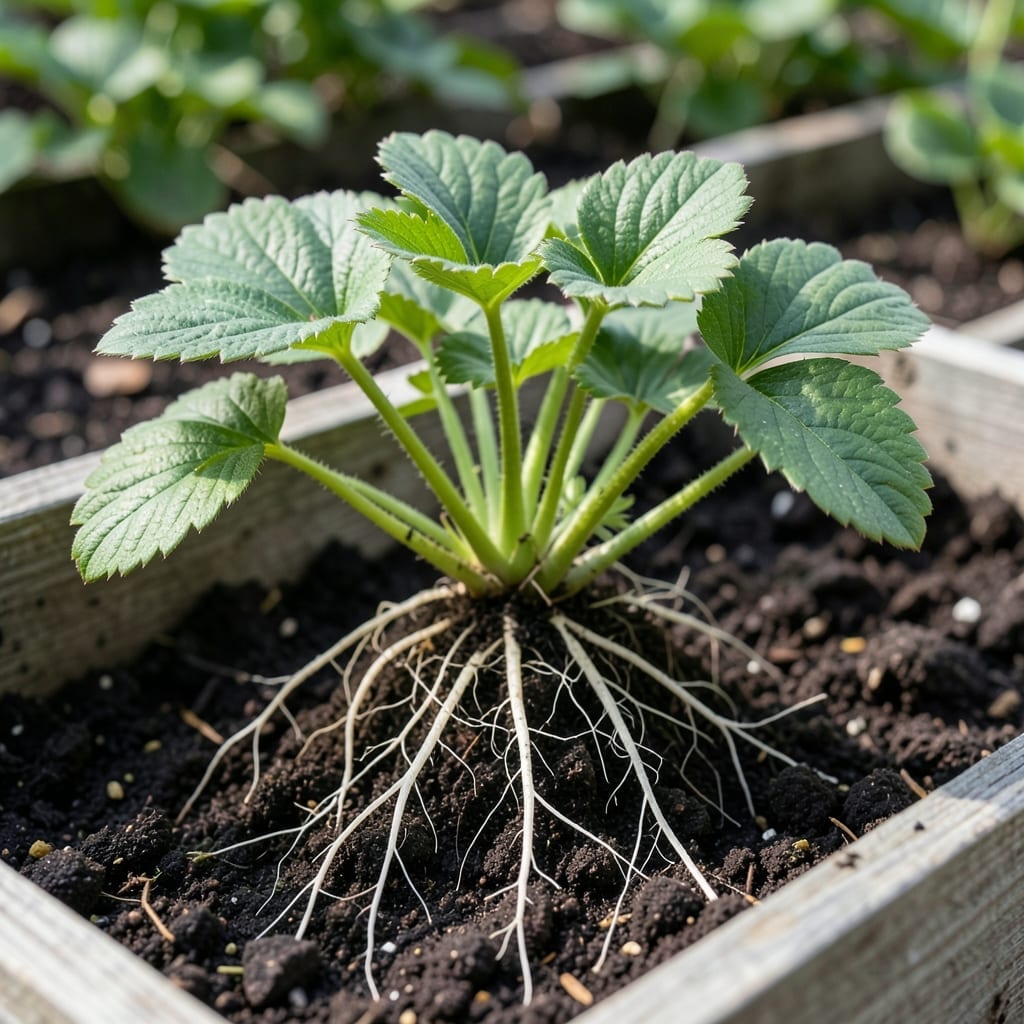
That moment when you unwrap bare root strawberries and wonder if they made the trip. I’ve stood there holding limp roots, questioning if they were goners or just sleeping.
Here’s the thing—dry, shriveled roots aren’t always dead. Firm white or light tan roots with green crowns are alive. Black, mushy, or brittle roots? That’s your answer.
Even plants that look lifeless can bounce back with proper soaking and planting. I’ve revived more than I’ve lost by giving them 24 hours in water before soil.
Check for green at the crown base. If it’s there, you’ve got a fighter. If not, it’s time to replace.
Understanding why bare root strawberries may appear dead or fail to thrive starts with recognizing the key stressors they face. Bare root plants are particularly vulnerable because they lack soil protection and are exposed to environmental extremes. Here’s a breakdown of the most common causes:
Bare root strawberries are highly sensitive to temperature fluctuations. Exposure to freezing cold can damage or kill the plant’s delicate root system, while excessive heat can dehydrate the roots and desiccate the crown. Strawberries thrive in temperatures between 60–80°F (15–27°C), so extreme conditions during storage or transit can lead to irreversible harm.
Too much or too little moisture is a leading cause of bare root strawberry failure. Over-watering can rot the roots, while under-watering causes them to dry out and become brittle. Bare roots must stay slightly damp but not soggy to remain viable. Improper hydration during storage or after planting often leads to a false appearance of death.
Bare root strawberries are living plants, and their vitality diminishes the longer they’re stored. If kept in a dormant state for more than 2–3 weeks without proper care (cool, humid conditions), the roots exhaust their energy reserves. This can result in stunted growth or complete die-off once planted.
Rough handling during digging, shipping, or planting can sever roots or bruise the crown, compromising the plant’s ability to absorb water and nutrients. Even minor injuries can introduce pathogens or accelerate desiccation, making the strawberry appear lifeless.
Bare root strawberries are prone to root rot (e.g., Phytophthora) or crown rot if exposed to damp, poorly ventilated conditions. These infections can turn roots black and mushy or cause the crown to collapse, mimicking death. Sterilizing tools and using clean planting media can prevent this.
If your bare root strawberries show signs of distress, don’t give up just yet! Here’s how to tackle common issues and bring them back to life.
If the roots look dry, brittle, or shrunken, they likely need moisture. Soak the bare roots in cool water for 1–2 hours before planting. This revives the roots by rehydrating the tissues. For severe cases, add a weak solution of seaweed extract to give them a nutrient boost. Prevention tip: 💡 Keep roots moist (not soggy) during storage or transport by wrapping them in a damp paper towel and sealing them in a plastic bag.
Soft, dark, or foul-smelling roots are a sign of rot. Use clean, sharp pruners to trim away all affected areas, cutting back to healthy, white tissue. Disinfect the tools with rubbing alcohol between cuts to prevent spreading disease. After trimming, soak the remaining roots in a 1:10 hydrogen peroxide-to-water solution for 10 minutes to kill off fungal spores. Prevention tip: ✨ Avoid overwatering after planting, and ensure the soil has good drainage to prevent future rot.
If your strawberries aren’t sprouting after a few weeks, they may need a gentle push. Check that they’re planted at the correct depth—the crown (where roots meet leaves) should sit just above the soil. Apply a balanced, water-soluble fertilizer (10-10-10) at half strength to encourage growth. Keep the soil consistently moist but not waterlogged. Prevention tip: 🎯 Plant bare roots as soon as possible after purchase to minimize stress and maximize their chances of thriving.
If you spot holes in leaves, chewed roots, or unusual spots, pests or diseases may be to blame. Isolate affected plants to prevent spread. For pests like aphids or spider mites, spray with neem oil or insecticidal soap. For fungal issues, use a copper-based fungicide. Prevention tip: 🌡️ Rotate crops, remove plant debris, and maintain good air circulation to keep future problems at bay.
Healthy ones have firm white or light tan roots and a green crown. Avoid any with black, mushy, or brittle roots—those are clear signs of trouble.
Yes! Soak them in cool water for 1–2 hours before planting. This rehydrates the tissues and often revives them. Add seaweed extract for an extra boost.
They can survive 2–3 weeks in cool, humid conditions. Beyond that, their energy reserves deplete, increasing the risk of die-off.
Black roots usually mean rot from overwatering or poor drainage. Trim affected areas, disinfect tools, and ensure soil drains well to prevent future issues.