
Beautiful Plants For Your Interior
Beautiful Plants For Your Interior
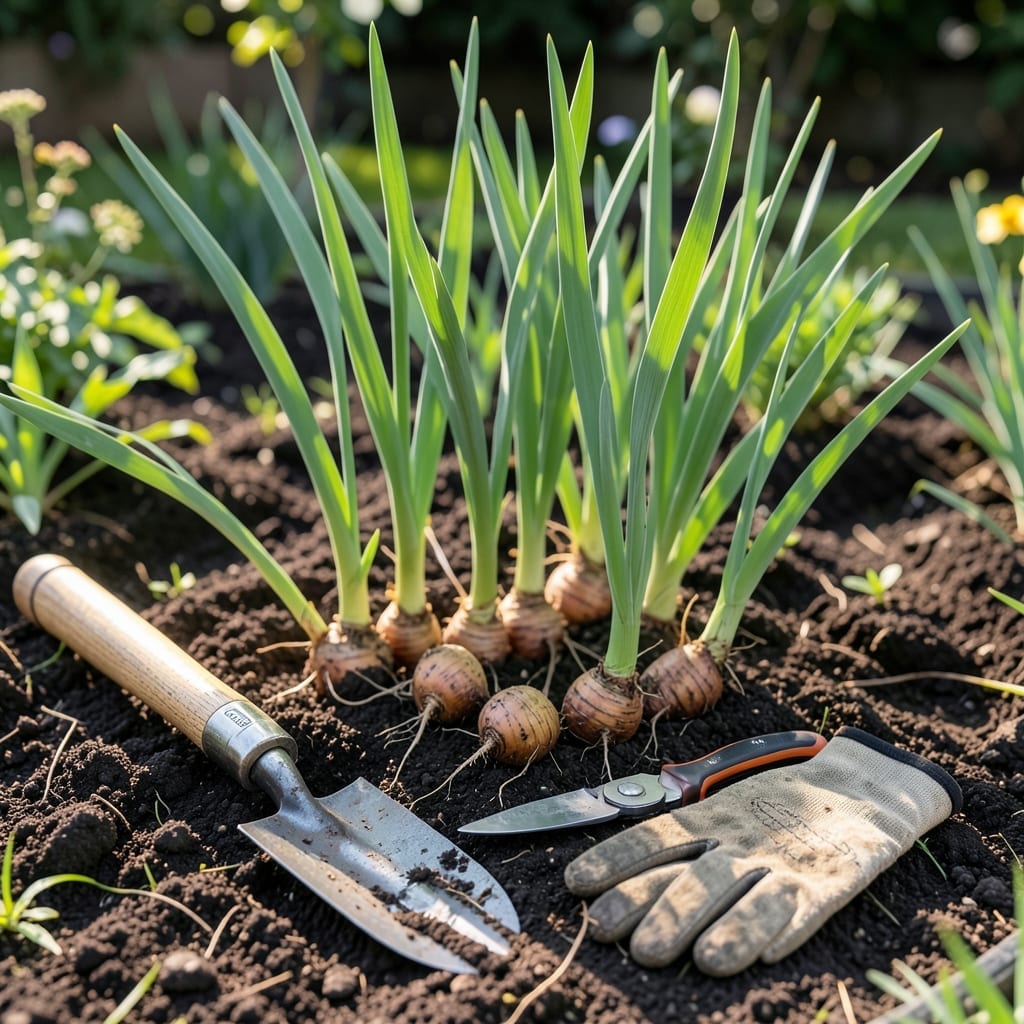
Overgrown iris clumps stop blooming as vibrantly, but dividing them every 3-5 years can rejuvenate your garden. The 🌸 Iris thrives when given space to grow, and separation is the key to keeping them healthy.
I’ve found that timing is everything. Late summer to early fall, like July through September, is ideal for this task in most zones, including 6a.
Discover how simple it is to revive your Iris plants with the right technique. Let me walk you through the process step by step.
Dividing iris plants is essential for maintaining vibrant blooms and healthy growth. I recommend tackling this task every 3-5 years to prevent overcrowding and ensure optimal performance.
Late summer to early fall is the ideal window, as the plants are dormant but still have time to establish roots before winter. This timing gives your irises the best chance to thrive after division.
Before you start, ensure your tools are clean to prevent disease transmission. A sharp knife or pruning shears works best for clean cuts through the rhizomes.
When lifting the clump, I use a gardening fork to gently loosen the soil around the roots. Be careful not to damage the rhizomes, as they’re the key to future growth.
Once lifted, shake off excess soil to expose the rhizome structure. Healthy rhizomes are firm and plump, while old or diseased ones may look shriveled or soft.
Separate the rhizomes by cutting them apart, ensuring each division has at least one healthy fan of leaves and a portion of roots. Discard any soft or rotten rhizomes to prevent issues.
After dividing, trim the leaves to about 6 inches to reduce stress on the plant. This helps the iris focus its energy on root establishment rather than foliage.
Replant the divided rhizomes in well-draining soil, ensuring the top of the rhizome is slightly exposed to sunlight. Space them 12-24 inches apart for proper airflow.
Finally, water lightly to settle the soil, but avoid heavy watering, which can cause rot. Your irises will reward you with vibrant blooms next season ✂️
Timing your iris division correctly ensures success. I’ve learned that late summer to early fall works best, specifically July through September in most regions. This period allows plants to establish roots before winter dormancy.
The ideal window aligns with the plant’s natural cycle. After blooming, irises enter a dormant phase, making it the perfect time to divide without stressing the plant. In USDA Zone 6a, this timing is particularly effective.
Best Months: July, August, September
Zone Consideration: Adjust for local frost dates
Signs to Divide: Crowded roots, fewer blooms
Watch for visual cues that your irises need dividing. If you notice fewer blooms or overcrowded rhizomes, it’s time to act. These signs indicate the plants are competing for resources and need space to thrive.
Regional differences matter too. In warmer climates, you might start dividing in early July, while cooler areas may benefit from waiting until late August. Always aim to finish at least 6 weeks before your first frost.
Early morning is my preferred time to work. The soil is moist, and the plants are less stressed. Plus, you’ll avoid the midday heat, which can be tough on both you and your irises.
After dividing, give your irises a light watering to help them settle. Avoid heavy watering, as this can lead to rot. With the right timing and care, your irises will reward you with vibrant blooms next season 🌷