
Beautiful Plants For Your Interior
Beautiful Plants For Your Interior
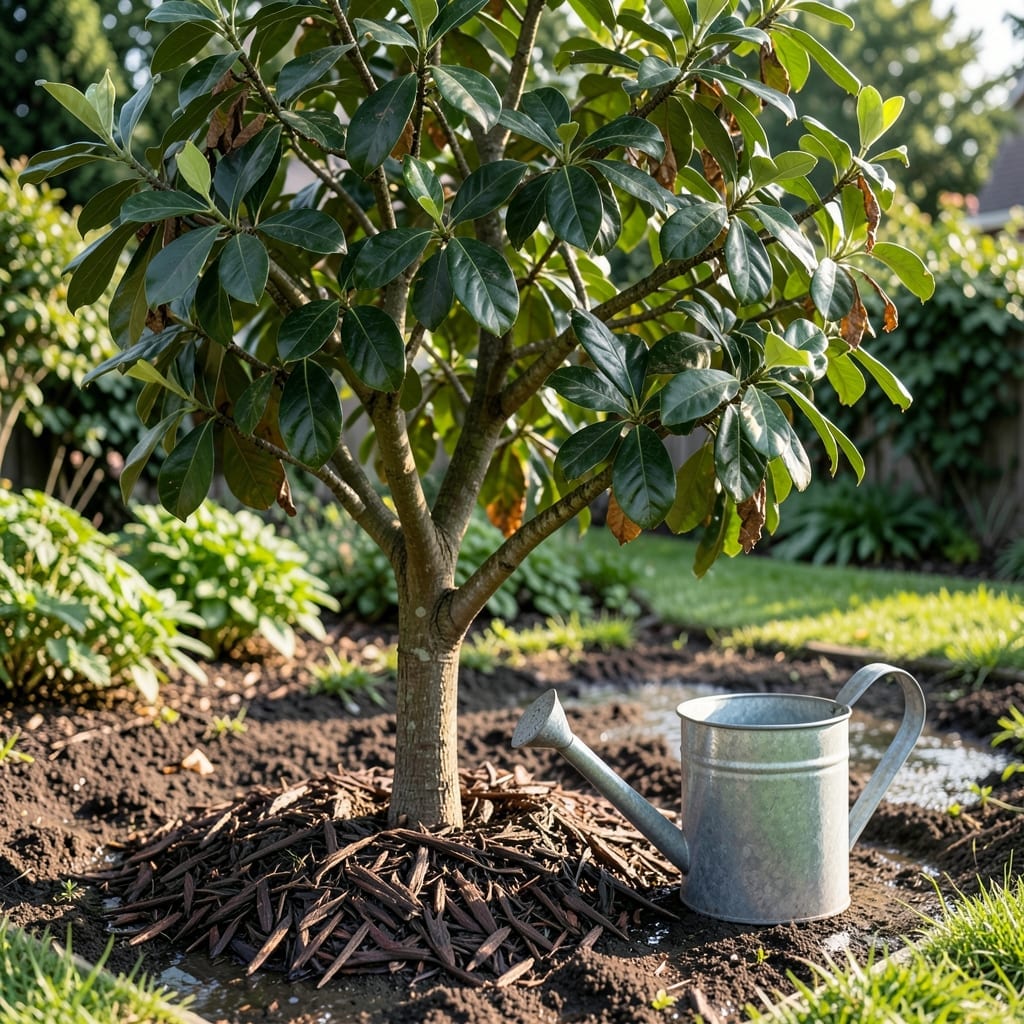
That sinking feeling when your avocado tree’s leaves turn brown and crispy hits hard. I’ve been there—watching a once-thriving tree decline is gut-wrenching, but it’s not always too late to turn things around.
The good news is 90% of dying avocado trees suffer from fixable issues like overwatering, poor drainage, or pest infestations. The key is acting fast before the roots give up completely. I saved mine with a few simple adjustments.
You’ll start seeing new growth within 2-3 weeks of proper care. The leaves will regain their deep green color, and the branches will stop looking brittle. It’s a slow but rewarding process.
Works for potted trees, backyard plantings, and even those struggling after a harsh winter. Here’s how to bring it back.
Avocado trees can wither for several scientific and environmental reasons. Understanding these causes is key to reviving your plant. Below are the most common culprits behind a dying avocado tree.
Avocados thrive in well-draining, slightly acidic soil (pH 6–6.5). Compacted or waterlogged soil suffocates roots, leading to root rot (often caused by Phytophthora cinnamomi, a fungal pathogen). Conversely, sandy or nutrient-poor soil starves the tree of essential minerals like zinc, nitrogen, and potassium.
Overwatering is a top killer—avocados need deep but infrequent watering. Soggy soil prevents oxygen uptake, while drought stress causes leaf drop and branch dieback. Inconsistent moisture (e.g., alternating between bone-dry and flooded) shocks the tree’s vascular system.
Avocados are sensitive to temperature extremes. Frost damages leaves and fruit, while heat above 100°F (38°C) can scorch foliage. Sunburn (from sudden exposure to intense sunlight) also causes brown patches on leaves. Additionally, strong winds desiccate leaves and break branches.
Common pests like avocado lace bugs, mites, and root-knot nematodes sap the tree’s strength. Diseases such as anthracnose (fungal) or bacterial leaf spot create lesions, reducing photosynthesis. Verticillium wilt, a soil-borne fungus, blocks water flow in the xylem, causing wilting and death.
Lack of micronutrients (e.g., zinc, iron, or manganese) leads to chlorosis (yellowing leaves with green veins). Nitrogen deficiency stunts growth, while salt buildup from poor water quality or excessive fertilizer burns roots.
Reviving a dying avocado tree starts with identifying the root cause and applying targeted fixes. Here’s how to tackle the most common issues:
If your tree’s roots are drowning, stop watering immediately and let the soil dry out. For potted trees, ensure the container has drainage holes. Repot the tree in fresh, well-draining soil if root rot is present. Prevention tip 💡: Water only when the top 2 inches of soil feel dry.
Avocados need 6–8 hours of sunlight daily. Move potted trees to a sunnier spot or trim nearby plants shading the area. For indoor trees, supplement with grow lights. Prevention tip 💡: Rotate potted trees weekly for even light exposure.
Spray leaves with neem oil or insecticidal soap to combat mites, aphids, or scale. Wipe down leaves with a damp cloth to remove pests manually. Prevention tip 💡: Inspect leaves regularly and isolate new plants before introducing them nearby.
Yellowing leaves often signal a lack of nitrogen or zinc. Use a balanced citrus fertilizer or add compost to the soil. For zinc deficiency, apply a zinc foliar spray. Prevention tip 💡: Fertilize every 2–3 months during growing season.
Avocados thrive in 60–85°F. Protect trees from frost with blankets or move potted trees indoors. Avoid placing them near heat sources. Prevention tip 💡: Acclimate indoor trees gradually when moving them outside.
With a little care, your avocado tree can bounce back to its lush, healthy self! 🌿
Water deeply only when the top 2 inches of soil feel dry. Overwatering causes root rot, while drought stresses the tree. Aim for consistency rather than frequency.
Use well-draining, slightly acidic soil with a pH of 6–6.5. Mix in compost or sand to improve drainage and nutrient content. Avoid heavy clay soils.
Yes! Yellow leaves often indicate a nutrient deficiency. Apply a balanced citrus fertilizer or zinc foliar spray to address the issue. Remove severely damaged leaves to redirect energy.
If the trunk is soft or mushy, recovery is unlikely. However, if there are still green leaves or firm branches, there’s hope. Focus on fixing the root cause quickly.