
Beautiful Plants For Your Interior
Beautiful Plants For Your Interior
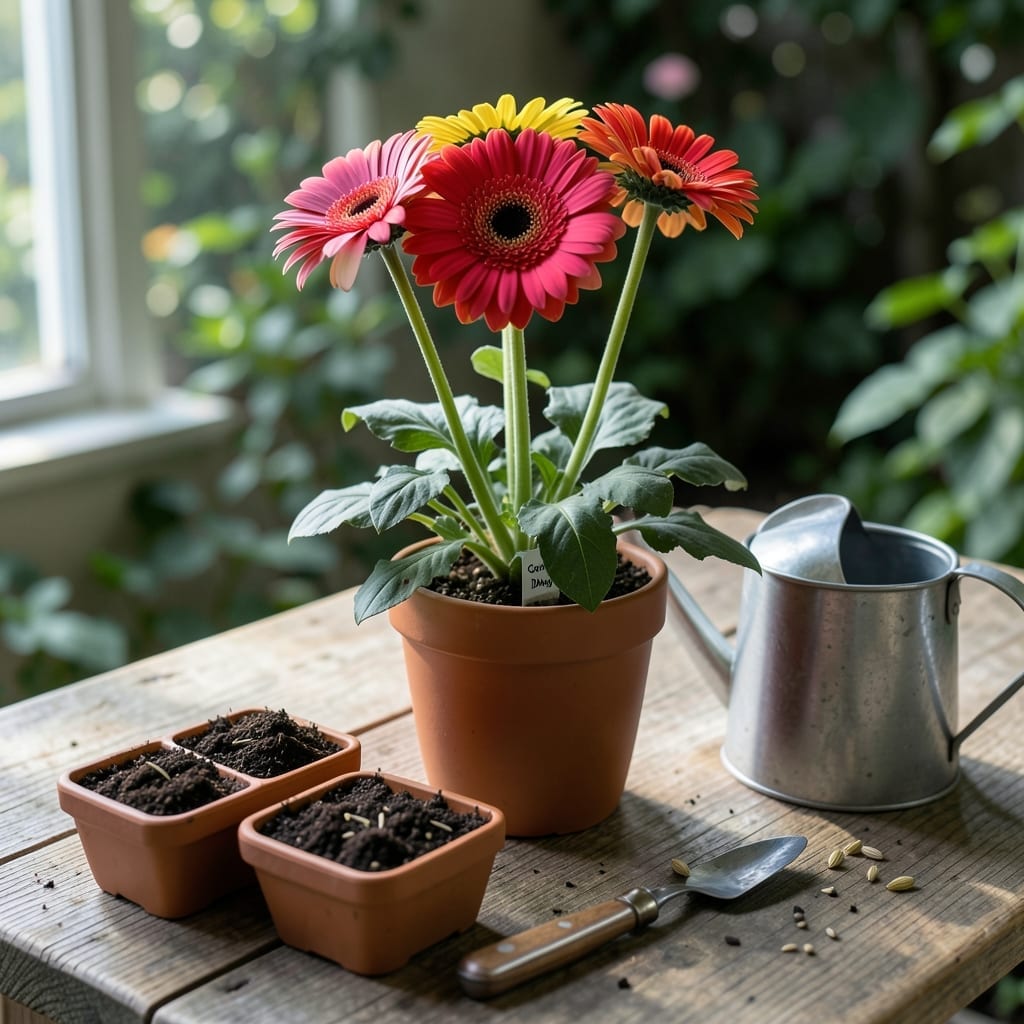
Imagine your garden bursting with vibrant 🌼 Gerbera Daisies, their cheerful faces turning toward the sun. These stunning flowers are easier to grow from seed than you might think, and the results are absolutely worth the effort.
With just a little know-how, you can transform those tiny seeds into a sea of colorful blooms that will brighten your space from June to October. The key lies in the right timing and techniques.
I’ll walk you through every step, from preparation to aftercare, so you can enjoy these beauties in your own backyard. Let’s get started on this rewarding journey together.

Starting gerbera seeds indoors gives your flowers a head start before the growing season. I always begin 8-10 weeks before the last frost date in my area. This timing ensures strong seedlings ready for transplanting when warm weather arrives.
You’ll need a well-draining seed mix and shallow trays or small pots. Gerbera seeds are tiny, so handle them carefully to avoid losing any during planting.
🌱 Steps to Plant Gerbera Seeds Indoors:
I’ve found that bottom heat from a seedling mat can speed up germination. The warmth encourages the seeds to sprout faster, often within 7-10 days instead of two weeks.
Once your gerbera seedlings have two sets of true leaves, it’s time to transplant them into individual pots. Use a light, porous potting mix to prevent root rot and promote healthy growth.
At this stage, your seedlings need 12-14 hours of light daily. If natural light is insufficient, supplement with grow lights placed 2-4 inches above the plants.
Begin hardening off your gerbera seedlings about a week before transplanting outdoors. This process acclimates them to outdoor conditions, reducing transplant shock.
Start by placing them outside for 1-2 hours in a sheltered spot, gradually increasing the time over the week. Avoid direct sun and wind during this adjustment period.
Remember, gerbera daisies thrive in well-draining soil with a pH between 6.0-6.5. Test your garden soil before transplanting to ensure it meets these requirements.
When moving your seedlings to the garden, space them 12-18 inches apart. This gives each plant enough room to grow and prevents overcrowding, which can lead to disease.
With proper care, your indoor-started gerbera seeds will reward you with vibrant blooms all season long. The key is patience and attention to their specific needs during each growth stage 🌼
Planting gerbera seeds directly outdoors works best in warmer climates where frost isn’t a concern. I recommend this method if you live in USDA zones 8-11, as the soil stays warm enough for germination.
Choose a sunny location with well-draining soil. Gerberas thrive in 6+ hours of direct sunlight daily, so pick your brightest garden spot.
🌱 Pro Tip:
For best results, sow seeds after the last frost when soil temps reach 70°F. This ensures faster germination and stronger seedlings.
Prepare your garden bed by loosening the soil to 12 inches deep and mixing in compost for nutrients. This creates the perfect environment for your gerbera seeds to establish.
Sow the tiny seeds 1/4 inch deep and space them 12-18 inches apart. Cover lightly with soil and mist gently to avoid disturbing the seeds. Keep the area consistently moist but not soggy.
I’ve found that mulching lightly with organic material helps retain moisture while allowing sunlight to reach the soil. This is especially helpful in hotter climates where soil can dry out quickly.
Once your gerbera seedlings emerge, thin them to the strongest plants. This gives each one enough space to grow into a healthy, blooming plant that will brighten your garden for months. ☀️