
Beautiful Plants For Your Interior
Beautiful Plants For Your Interior
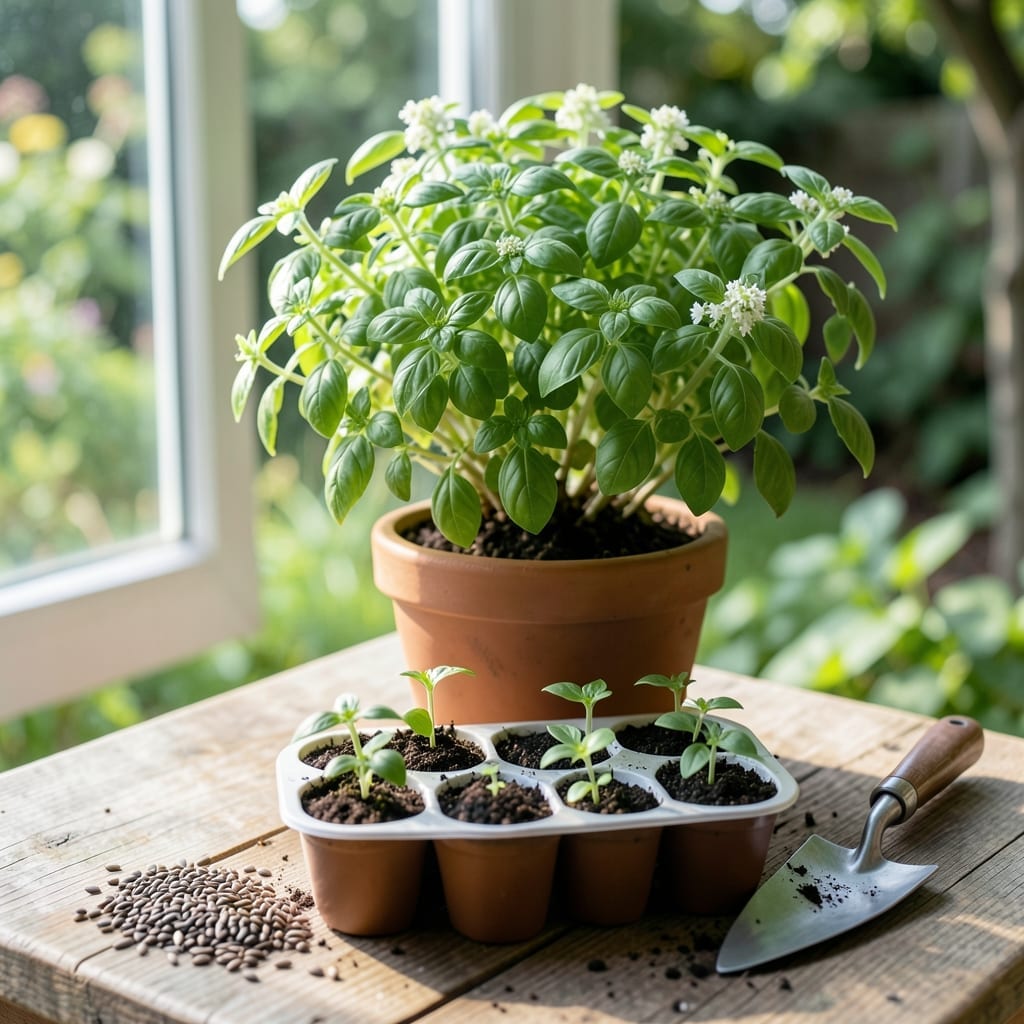
Growing basil from seed is easier than you think and rewards you with fresh, aromatic leaves all season long. Whether you’re a first-time gardener or looking to expand your herb collection, this guide will walk you through every step.
The 🌿 Basil plant thrives with just a little know-how. I’ll show you how to create the perfect conditions for strong, healthy growth from the very first sprout.
From soil prep to watering schedules, you’ll discover the simple secrets that make the difference between struggling seedlings and a bountiful harvest.

Planting basil seeds is a rewarding process that starts with the right preparation. I always begin by selecting high-quality seeds from a trusted supplier to ensure strong germination. Whether you’re planting indoors or outdoors, the first step is choosing a location with plenty of sunlight and well-draining soil.
For indoor planting, I use seed trays filled with a light, sterile potting mix. Outdoors, I prepare garden beds by loosening the soil to a depth of 12 inches and mixing in compost for added nutrients. Both methods require attention to detail, but the results are well worth it 🌱
Once your basil seeds are planted, the next step is maintaining the right conditions. I find that keeping the soil consistently moist but not soggy is key. A spray bottle works well for gentle watering, especially for delicate seedlings that can be dislodged by heavier water flow.
For indoor basil, place your seed trays in a south-facing window or under grow lights. The ideal temperature for germination is between 70-80°F. If you’re planting outdoors, wait until after the last frost when the soil has warmed to at least 70°F for best results.
I’ve learned that basil plants respond well to regular feeding. Once the seedlings have their first true leaves, I start fertilizing with a balanced liquid fertilizer diluted to half strength. This gives them the boost they need without overwhelming their delicate roots.
As your plants grow,
For outdoor plants, mulching around the base helps retain moisture and suppress weeds. I use organic mulch like straw or shredded leaves, which also adds nutrients to the soil as it breaks down over time.
Whether you’re growing basil in containers or in the ground, proper spacing is crucial. I recommend thinning seedlings to 12 inches apart to ensure good air circulation and prevent disease. This spacing also allows each plant to receive adequate sunlight.
With these steps, you’ll be well on your way to growing healthy, flavorful basil that will thrive throughout the growing season ☀️
Choosing the right basil variety can make all the difference in your garden. I always recommend starting with Genovese basil for its classic sweet flavor and large leaves, perfect for fresh use. Each type offers something unique to your garden and table.
For those looking to add variety, Thai basil brings a spicy, anise-like flavor that’s perfect for Asian-inspired dishes, while Purple basil adds stunning color to both your garden and meals. Lemon basil offers a citrusy twist that brightens up any dish 🌿
| Variety | Flavor Profile | Growth Habit | Best For |
|---|---|---|---|
| Genovese | Sweet, classic | 18-24 inches tall | Pesto, fresh use |
| Thai | Spicy, anise | 12-18 inches tall | Asian dishes |
| Purple | Mild, sweet | 12-18 inches tall | Garnish, color |
| Lemon | Citrusy, bright | 12-24 inches tall | Salads, teas |
I’ve found that Genovese basil is the most versatile and widely used. Its large leaves and strong aroma make it ideal for pesto and other fresh applications. This variety grows quickly and can reach up to 2 feet tall in ideal conditions.
Thai basil has a more compact growth habit, typically reaching 12-18 inches in height. It’s particularly heat-tolerant, making it a great choice for warmer climates. The purple stems and flowers add visual interest to the garden.
Purple basil offers a striking contrast in both the garden and on the plate. While its flavor is milder than Genovese, its deep purple leaves make it a favorite for garnishes. It grows to a similar height as Thai basil.
Lemon basil is my go-to for adding a bright, citrusy note. It grows 12-24 inches tall and does well in containers, making it perfect for patio gardens. Its light green leaves and lemony scent are a delight in any garden space 🌱