
Beautiful Plants For Your Interior
Beautiful Plants For Your Interior
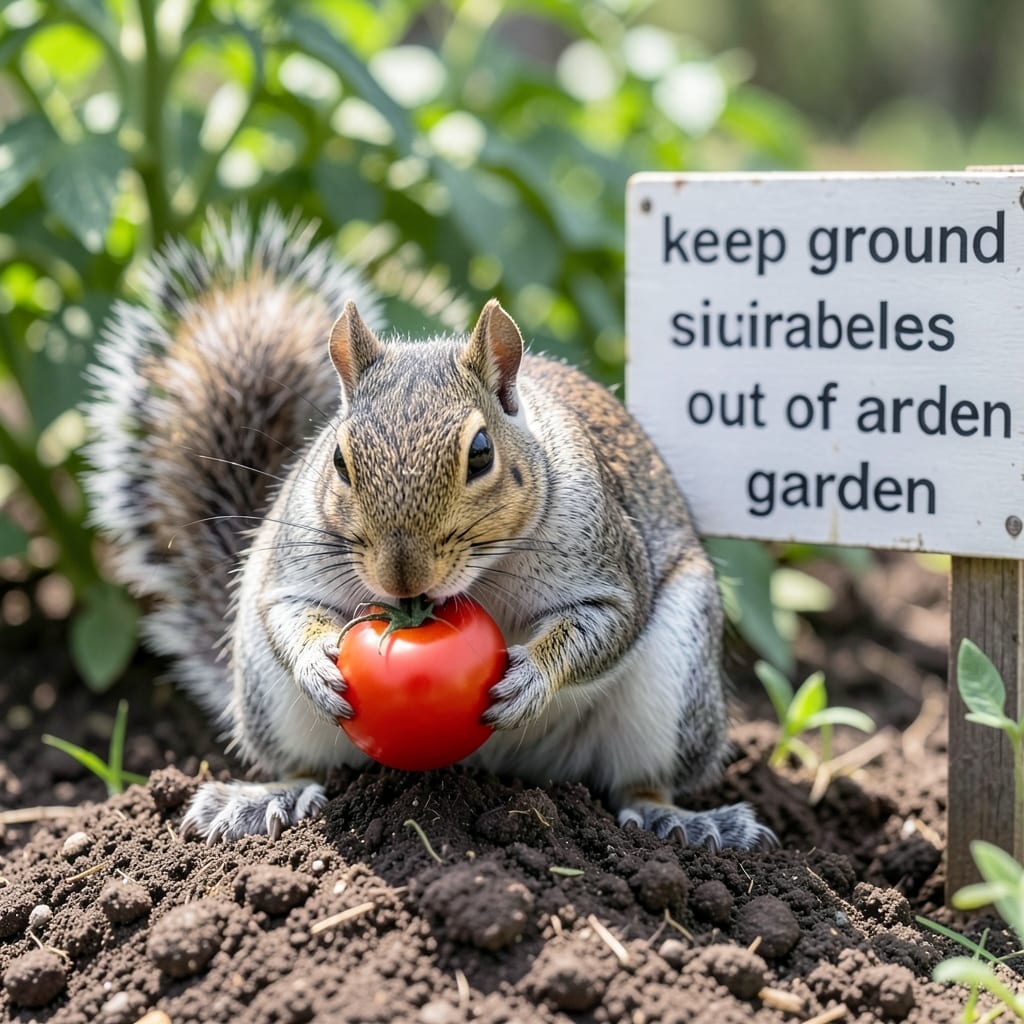
Ground squirrels turned my garden into their personal buffet last spring. I lost half my lettuce and every strawberry before realizing the solution wasn’t war—it was smarter defense.
Physical barriers work best: bury hardware cloth 2 feet deep around beds. They can’t dig through it. I also learned squirrels hate daffodil bulbs—plant them as a natural deterrent.
Motion-activated sprinklers startled them away without harm. Within 3 days, they stopped visiting. The garden stayed safe, and I didn’t have to trap or relocate a single squirrel.
Works for raised beds, row gardens, or container setups. Here’s what finally kept them out for good.
Ground squirrels are drawn to gardens for a few key reasons, all rooted in their natural behaviors and survival instincts. Understanding these causes can help you address the issue more effectively.
Gardens provide an all-you-can-eat buffet for ground squirrels. They’re particularly fond of seeds, nuts, fruits, and tender young plants, which are often in plentiful supply. Their strong sense of smell allows them to detect food from a distance, making your garden an irresistible target. Additionally, they may dig up and consume bulbs and roots, further damaging your plants.
Ground squirrels seek out safe, cozy spaces to build their burrows. Gardens with loose soil, mulch, or dense vegetation offer the perfect conditions for digging tunnels and creating nests. These burrows not only protect them from predators but also provide a stable environment for raising their young. If your garden has untreated gaps or soft ground, it’s an open invitation for them to move in.
Like all living creatures, ground squirrels need water to survive. Gardens with drip irrigation, birdbaths, or standing water can attract them, as these sources are often more reliable than natural ones. Even moist soil from regular watering can be enough to keep them hydrated and comfortable in your garden space.
Ground squirrels are hardwired to forage and hoard food for survival, especially in preparation for winter. Your garden mimics their natural habitat, offering both food and cover. Their instinct to dig and store means they’ll keep returning unless deterred. This behavior is not just about immediate consumption but also about securing resources for the future.
Ground squirrels can wreak havoc on your garden, but there are effective, humane ways to keep them at bay. Below are targeted solutions based on common causes, along with prevention tips to protect your plants long-term.
Ground squirrels are attracted to easy meals like fallen fruit, seeds, and exposed garbage. Fix: Clean up debris, harvest ripe produce promptly, and store compost in sealed bins. Use bird feeders with trays to catch spilled seeds, and avoid leaving pet food outdoors.
These pests dig burrows near gardens for shelter. Fix: Install hardware cloth (½-inch mesh) around garden beds, burying it at least 12 inches deep to prevent digging. For existing burrows, fill them with gravel or install one-way exclusion doors to evict squirrels without harm.
Squirrels dislike dampness and unpredictability. Fix: Set up motion-activated sprinklers near problem areas—the sudden spray will scare them off without causing harm. This also waters your garden!
💡 Pro Tip: Place sprinklers on a timer for early mornings or dusk when squirrels are most active.
Strong scents can discourage squirrels. Fix: Plant deterrents like mint, marigolds, or daffodils around your garden’s perimeter. Alternatively, sprinkle cayenne pepper or garlic powder near entry points (reapply after rain). For a long-term solution, castor oil-based repellents (sprayed weekly) disrupt their digging habits.
Protect individual plants with cloches, wire cages, or row covers. For trees or shrubs, wrap trunks with smooth metal bands (18 inches wide) to prevent climbing. Ensure barriers are tall enough (at least 2 feet) to stop jumps.
Prevention Tips:
Daffodils, mint, and marigolds work well as natural deterrents. Plant them around your garden’s perimeter. Their strong scents disrupt the pests’ foraging patterns.
Hardware cloth should be buried at least 12 inches deep to prevent digging. Extend it outward at a 45-degree angle for extra protection. This blocks their underground access.
Yes! The sudden spray startles them without harm. Place sprinklers near entry points and set them for early mornings or dusk. Reposition them occasionally to maintain effectiveness.