
Beautiful Plants For Your Interior
Beautiful Plants For Your Interior
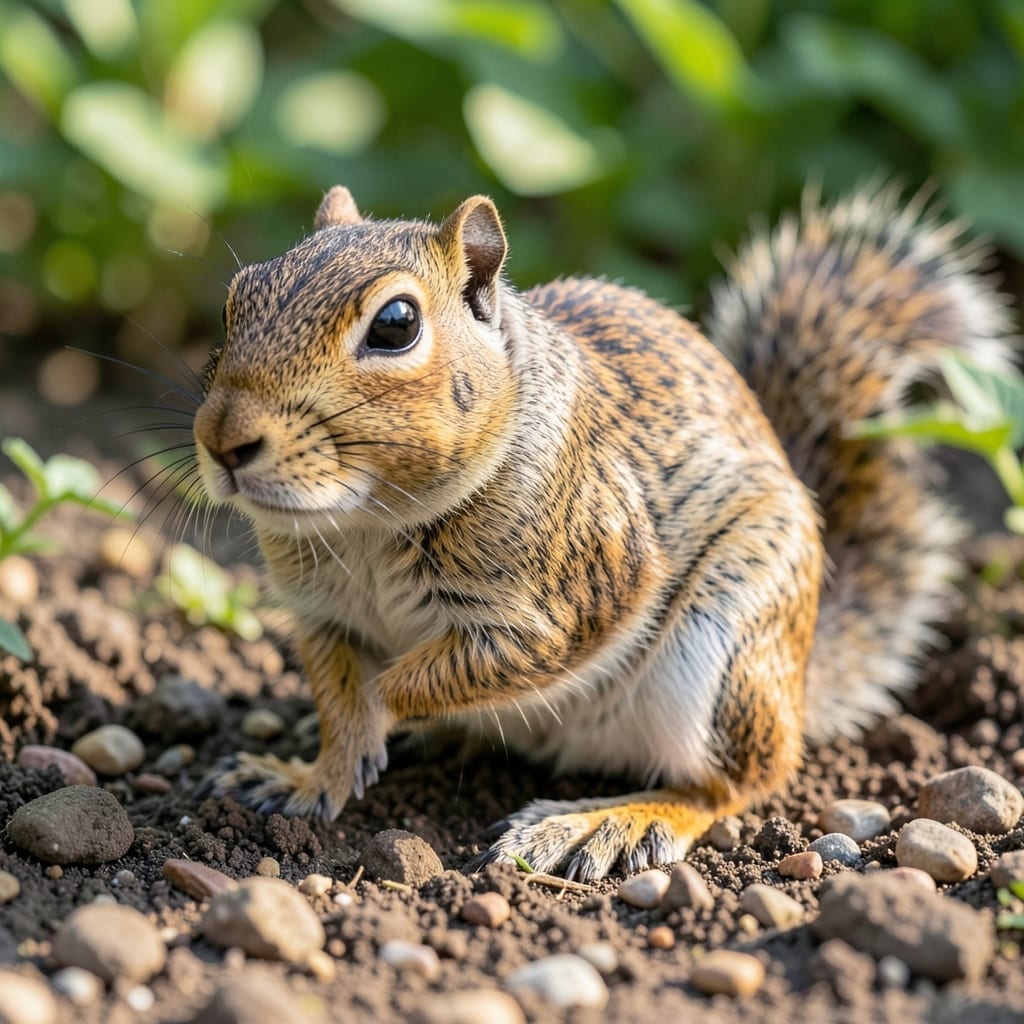
Ground squirrels turned my garden into their personal buffet last summer. 🌱 These persistent pests dig holes, eat seedlings, and multiply faster than you can say “where did all my tomatoes go?”
I tested every humane method under the sun before finding what actually works. The key is consistency—exclusion, deterrents, and habitat modification work together to make your yard less appealing than the neighbor’s.
You’ll reclaim your garden without harming wildlife. The best part? Most solutions use items you already have at home, and the results show up within 2-3 weeks of starting.
Works for small yards, large properties, and everything in between. Here’s how to take back your space.
Ground squirrels are drawn to your yard for a few key reasons, and understanding these causes can help you address the root of the problem. Below are the most common factors that make your property an attractive habitat for these persistent rodents.
Ground squirrels are opportunistic feeders, thriving in areas with easy access to food. They primarily consume nuts, seeds, fruits, and vegetation, but they’ll also scavenge pet food, birdseed, or compost piles. If your yard offers a buffet of these items, squirrels will quickly move in and multiply. Overgrown gardens, unsecured trash bins, and fallen fruit from trees are common culprits.
These rodents seek out loose, dry soil for burrowing, which provides protection from predators and harsh weather. Yards with soft, undisturbed dirt, woodpiles, or dense shrubbery offer perfect nesting conditions. Ground squirrels also prefer areas with minimal human activity, so neglected corners of your property may become their new home.
Like all living creatures, ground squirrels need water to survive. Leaky hoses, standing water, or poorly drained areas in your yard can attract them. Even a birdbath or pet water bowl left outside can serve as a reliable water source, encouraging squirrels to settle nearby.
In urban and suburban areas, ground squirrels often thrive because their natural predators—such as hawks, foxes, and snakes—are absent. Without these checks on their population, squirrels can breed rapidly and overrun a property. Overuse of pesticides can also reduce predator activity, indirectly increasing squirrel numbers.
Ground squirrels can be persistent, but these targeted fixes can help you reclaim your yard. Address the root causes with these practical steps:
Inspect your property for holes near sheds, decks, or foundations. Use hardware cloth or steel mesh to cover gaps, burying it at least 12 inches deep to prevent digging. For existing tunnels, fill them with gravel or expanding foam to deter re-entry.
Ground squirrels love fallen fruit, seeds, and pet food. Clean up debris daily, store birdseed in sealed containers, and avoid leaving pet bowls outside. Plant squirrel-resistant flora like daffodils or mint to naturally repel them.
Fix leaky hoses or dripping faucets, and drain standing water in your yard. Squirrels need hydration, so removing easy access encourages them to leave. Consider a motion-activated sprinkler for a humane scare tactic.
Clear brush piles, tall grass, and woodpiles where squirrels might nest. Trim vegetation away from fences and structures, and use mulch or rocks in garden beds to make digging harder.
Prevention Tips: 💡
Consistency is key—combine methods for the best results!
Motion-activated sprinklers work instantly to scare them off with water. Place them near entry points for best results. Most squirrels will avoid the area after a few surprises.
Yes! Sprinkling cayenne pepper or planting mint around gardens can deter them. Reapply after rain for continued effectiveness.
Bury hardware cloth at least 12 inches deep to prevent digging. Extend it outward at the top to stop them from climbing over.
They might if food or shelter remains. Remove attractants and seal entry points to keep them from returning.