
Beautiful Plants For Your Interior
Beautiful Plants For Your Interior
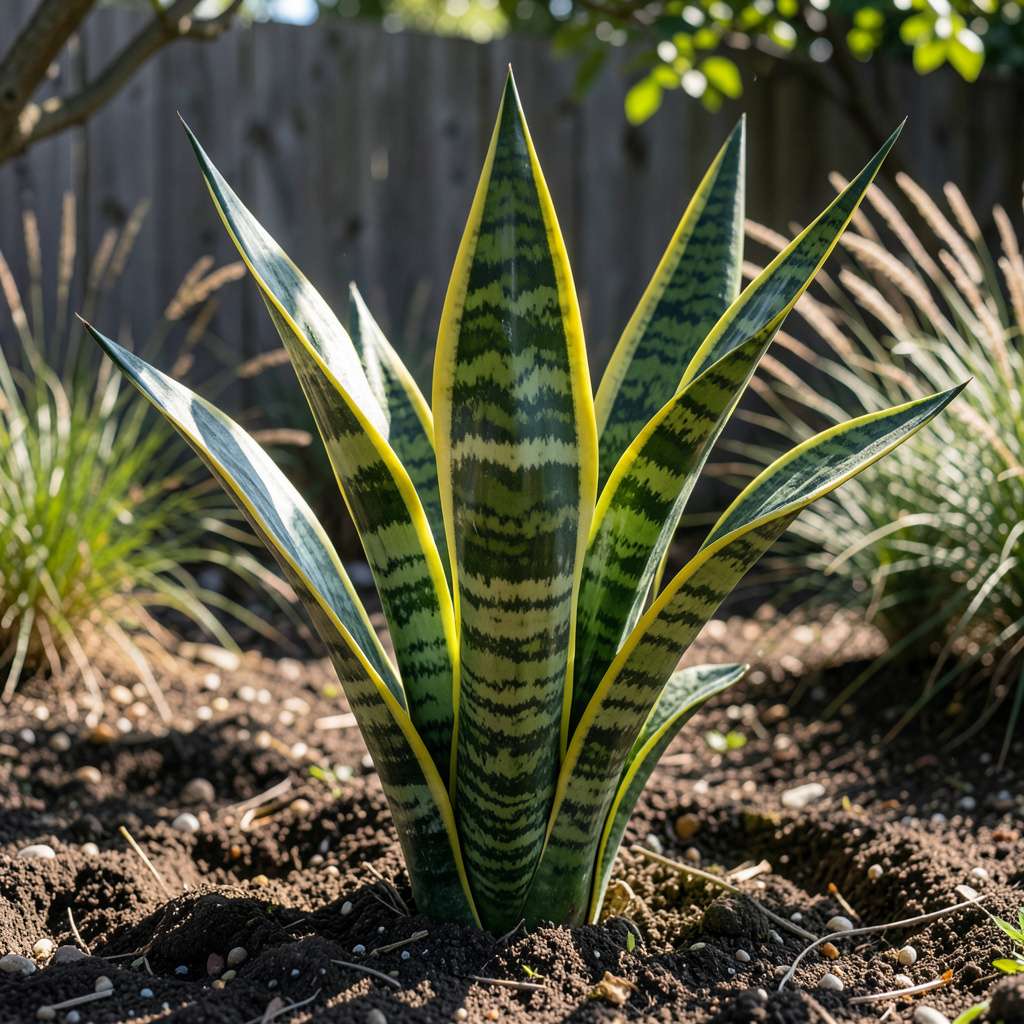
Snake plants can thrive outdoors in warm climates (USDA zones 9-11) with well-draining soil and partial shade. They tolerate drought but must be protected from frost, heavy rain, and temperatures below 50°F.
I’ve found that these resilient plants adapt surprisingly well to outdoor life when given the right conditions. 🌿 The key is mimicking their native West African environment—think warm days, dry soil, and protection from harsh elements. What many don’t realize is that snake plants actually benefit from seasonal outdoor exposure, developing stronger root systems and more vibrant foliage when given proper acclimation. Their succulent-like leaves store moisture efficiently, making them perfect for drought-prone areas.
From my experience, the biggest challenges come from unexpected weather shifts. A sudden cold snap or monsoon-like rain can stress these plants quickly. That’s why I always recommend monitoring nighttime temperatures and having a covered patio or movable container ready for quick protection. The reward is worth it though—outdoor snake plants often grow larger and more vigorous than their indoor counterparts!
💡 In This Article
The secret to snake plants thriving outdoors lies in their native adaptation to West African climates. These plants evolved in regions with distinct wet and dry seasons, where temperatures rarely dip below 55°F and humidity stays moderate. Their thick, upright leaves act like natural water reservoirs, storing moisture during dry periods.
When exposed to outdoor conditions, they respond dramatically to temperature swings—anything below 50°F triggers cellular damage, while sustained heat above 90°F can scorch their leaves if unprotected. ✨
Sunlight intensity becomes the biggest game-changer outdoors. While snake plants tolerate low light indoors, direct afternoon sun can bleach their leaves within days. I’ve noticed they perform best with 4-6 hours of morning sunlight followed by dappled shade—similar to their natural understory habitat. The UV exposure actually enhances their variegation, but too much causes yellowing.
Humidity plays a supporting role: these plants prefer 40-60% humidity, where their stomata (leaf pores) can regulate moisture efficiently without risking fungal issues.
Seasonal shifts demand proactive adjustments. In summer, their water needs drop by 30-40% compared to indoor plants because outdoor air circulation reduces moisture retention in soil. Come fall, I reduce watering even further to prevent root rot as temperatures cool.
The real danger arrives with frost—snake plant cells contain high water content that expands when frozen, literally bursting cell walls. Even a light frost (32°F) can turn leaves mushy overnight. 🌡️
Soil composition takes on new importance outdoors. While indoor potting mixes work, outdoor planting requires amending native soil with 50-60% inorganic matter (perlite, pumice, or coarse sand) to prevent compaction from rain. I’ve found that planting on slight mounds improves drainage dramatically.
Rainfall becomes both blessing and curse—while they appreciate natural watering, prolonged wetness leads to root suffocation. That’s why I always recommend containers with drainage holes for areas with unpredictable weather patterns.
What surprises most gardeners is how outdoor exposure affects growth patterns. Snake plants typically grow 20-30% faster outside due to increased light and air circulation, but their leaves may develop thicker cuticles (protective waxy layers) to combat wind and temperature fluctuations.
This makes them more drought-resistant but slightly more susceptible to spider mites, which thrive in dry outdoor conditions. The tradeoff? Outdoor plants often produce more vibrant variegation and can reach heights of 4-5 feet in ideal conditions, compared to 2-3 feet indoors. 🌱
Microclimates make all the difference in outdoor success. A south-facing wall can create a 5-10°F warmer zone that protects plants from unexpected cold snaps. Conversely, low-lying areas collect cold air and moisture, creating perfect conditions for root rot.
I always scout potential planting spots for at least a week, monitoring temperature fluctuations with a simple soil thermometer. The goldilocks zone? A spot with morning sun, afternoon shade, and protection from strong winds that could snap their tall leaves.
Snake plants start showing stress below 50°F, but the real danger zone begins at 32°F where frost damage occurs. Even a light frost can turn leaves mushy overnight. In zones 8 and below, treat them as summer annuals or bring them indoors before fall.
Direct afternoon sun for more than 3-4 hours can scorch leaves, causing yellow or brown patches. Morning sun with afternoon shade mimics their natural habitat perfectly. If leaves feel hot to touch or develop bleached spots, they’re getting too much direct sunlight.
Prolonged rain is risky because their roots rot easily in soggy soil. Always plant in well-draining locations or use containers with drainage holes. After heavy rain, tip containers to drain excess water and check soil moisture before watering again.
They thrive with minimal feeding—once in spring with diluted 10-10-10 fertilizer is plenty. Over-fertilizing causes weak growth and attracts pests. Outdoor plants often need less fertilizer than indoor ones due to natural soil nutrients.
Spider mites and mealybugs are the main outdoor threats. Prevent them with monthly neem oil sprays and by keeping foliage dry. If pests appear, isolate the plant and treat with insecticidal soap. Regularly wipe leaves with a damp cloth to remove dust and deter pests.
