
Beautiful Plants For Your Interior
Beautiful Plants For Your Interior
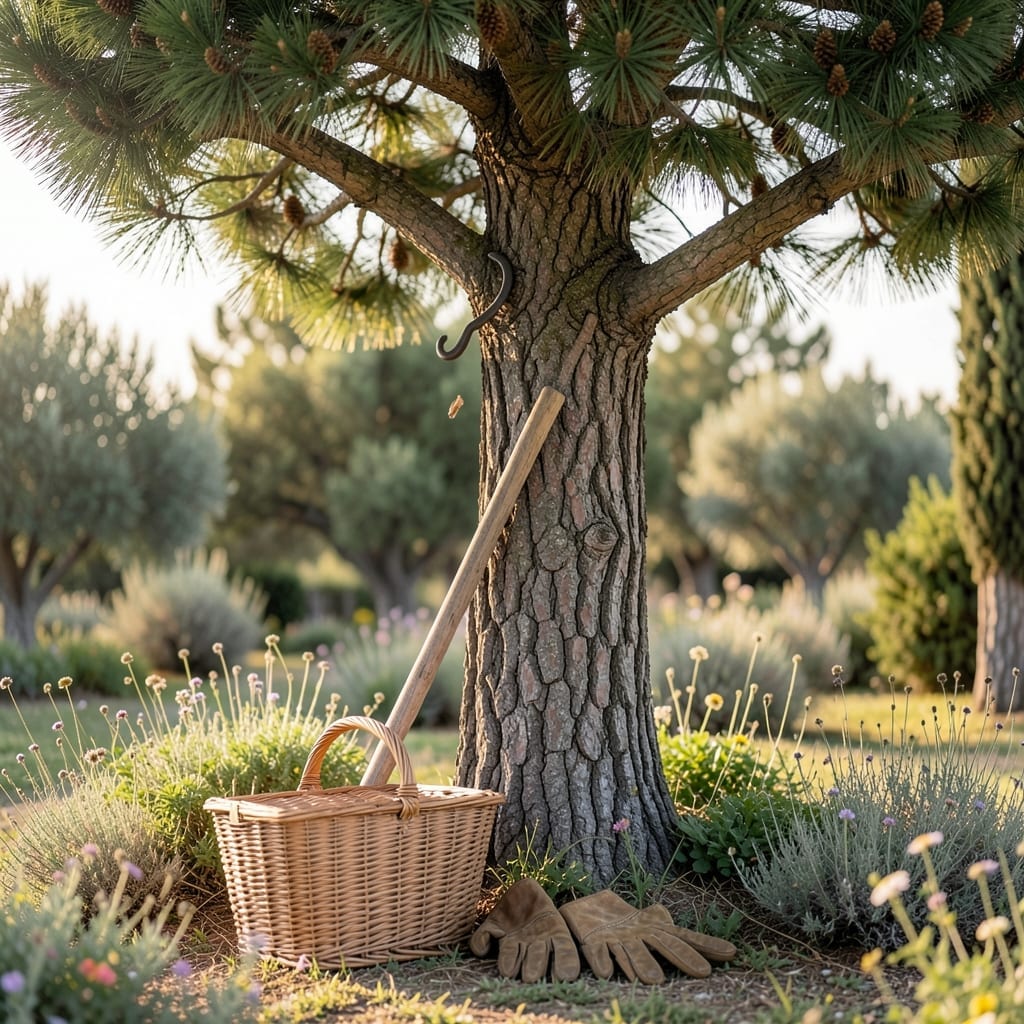
Imagine harvesting your own pine nuts from a Pine Tree 🌲 you planted years ago. That first taste of homegrown nuts makes the wait worthwhile, as these trees reward your patience with decades of bountiful harvests.
Growing these nuts isn’t like planting annual vegetables. It’s a long-term commitment that transforms your landscape while providing gourmet ingredients right in your backyard.
Discover the essential steps to cultivate these trees successfully, from selecting the right variety to nurturing them through their early years. The journey begins with understanding their unique needs.


Growing pine nut trees starts with selecting the right Pinus pinea or other edible pine variety. I recommend Stone Pine for its reliable nut production and adaptability to various climates. These trees thrive in USDA zones 6-9 with proper care.
Before planting, remember that seed stratification is crucial. Pine nuts need a cold treatment of 30-60 days to break dormancy. This mimics natural winter conditions and boosts germination rates significantly.
Soak seeds in lukewarm water for 24 hours before stratification.
Place seeds in moist sand and refrigerate for 30-60 days.
Use a mix of peat moss and perlite for optimal drainage.
Plant seeds 1/2 inch deep in pots or directly in prepared soil.
Keep soil consistently moist and place in partial shade until germination.
The ideal planting time is early spring after the last frost, typically April-May. Choose a location with full sun exposure and well-draining soil to prevent root rot. Pine trees dislike soggy conditions.
When transplanting seedlings, space them 20-30 feet apart to accommodate their mature size. Remember, Stone Pines can reach 50-80 feet tall with a 30-40 foot spread. Plan your landscape accordingly.
For the first year, focus on establishing strong roots. Water deeply once a week, providing about 5 gallons per tree. Reduce frequency as the tree matures, as pines are drought-tolerant once established.
Mulching with 2-3 inches of organic material helps retain moisture and suppress weeds. Keep mulch 6 inches away from the trunk to prevent rot. This simple step can significantly improve your tree’s health.
Be patient – pine nut production typically begins when trees are 10-15 years old. The wait is long, but the reward of harvesting your own gourmet pine nuts is unmatched. Start your journey today and enjoy the process of watching your trees grow.
With proper planting and care, your pine nut trees will thrive for generations, providing both beauty and bounty to your landscape 🌲
Once your pine nut trees are planted, proper care is key to ensuring strong growth and future nut production. I’ve found that consistent watering during the first 2-3 years establishes a solid foundation for your trees.
These trees need full sun exposure with at least 6 hours of direct sunlight daily. In hotter climates, young trees benefit from afternoon shade to prevent stress during their early years.
Water deeply once weekly for young trees, reducing to bi-weekly as they mature.
Use 10-20-10 slow-release fertilizer in early spring and summer only.
Remove dead branches in late winter to maintain tree health.
Apply 2-3 inch layer of organic mulch annually, keeping it 6 inches from trunk.
For fertilization, I recommend a balanced approach. Apply 2 lbs per 100 sqft of 10-20-10 fertilizer every 6-8 weeks during the growing season. This supports both foliage growth and cone development.
Pruning should be minimal but strategic. Focus on removing dead or diseased branches in late winter before new growth starts. Avoid heavy pruning as it can reduce nut production.
Monitor for common pests like pine bark beetles or aphids. Regular inspections help catch issues early. A healthy tree with proper care is your best defense against pests and diseases.
Remember that pine trees are generally low-maintenance once established. With the right care in their early years, they’ll reward you with beautiful foliage and, eventually, those coveted pine nuts 🌲