
Beautiful Plants For Your Interior
Beautiful Plants For Your Interior
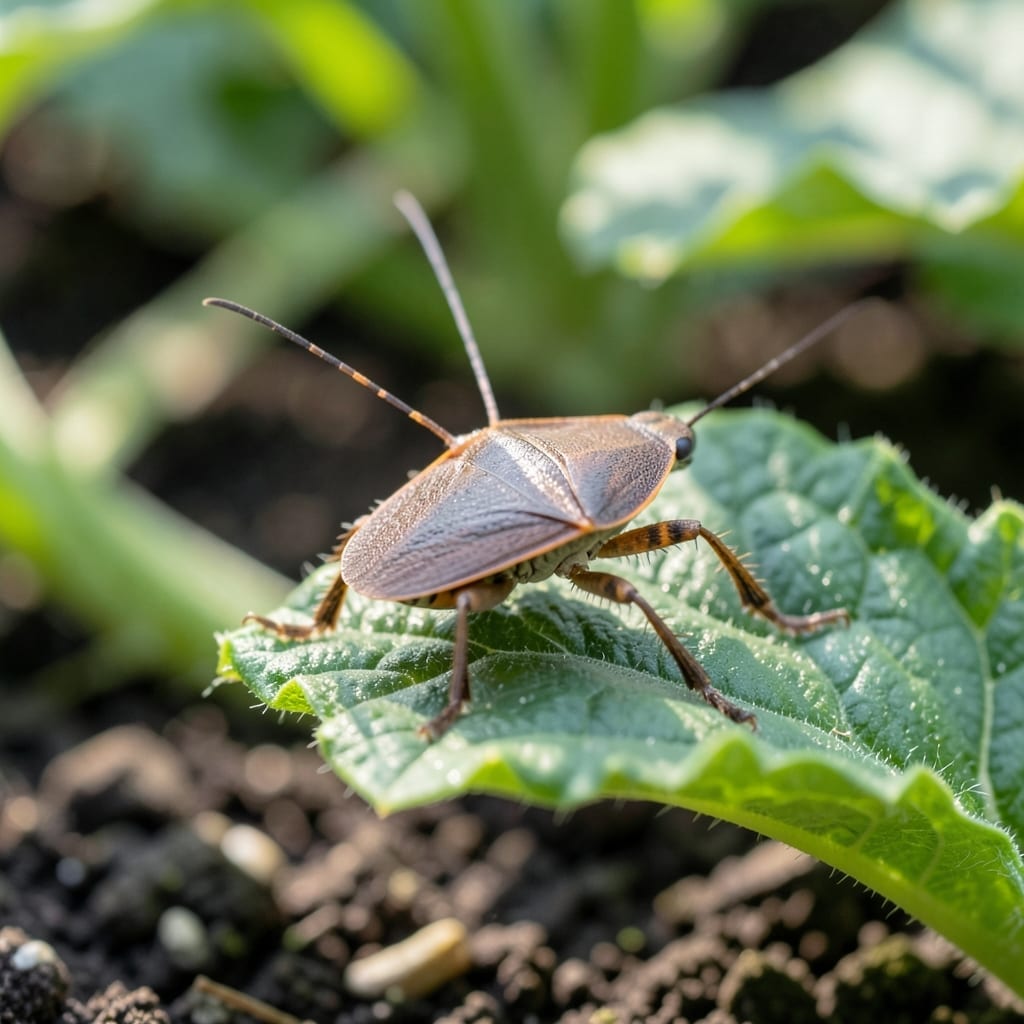
Zucchini bugs can turn a thriving plant into a wilting mess overnight. I’ve lost entire crops to these pests, but I’ve also found organic solutions that work without harsh chemicals.
The key is catching them early. Look for brown eggs on the undersides of leaves or clusters of nymphs near the stems. Handpicking and dropping them in soapy water is surprisingly effective.
Prevention is just as important. Rotate crops, clear garden debris, and use row covers to block adults from laying eggs. Healthy plants resist damage better, so keep them well-watered and fed.
With consistent effort, you can protect your zucchini and still enjoy a bountiful harvest. Here’s how to reclaim your garden.
Zucchini bugs, like squash bugs and cucumber beetles, target your plants for specific biological and environmental reasons. Understanding these causes helps you disrupt their life cycle and protect your garden.
Zucchini and other Cucurbitaceae family plants (squash, pumpkins, cucumbers) produce compounds like cucurbitacins, which attract these pests. These chemicals are natural defenses but ironically draw in bugs that have evolved to tolerate or even seek them out. The bugs feed on sap, leaves, and fruit, weakening the plant and spreading disease.
Zucchini bugs thrive in warm, humid conditions with plenty of hiding spots. Overgrown foliage, mulch, or garden debris provides overwintering sites for adults and eggs. They lay clusters of bronze or reddish eggs on the undersides of leaves, where they’re shielded from predators and direct sunlight.
In gardens with limited biodiversity, zucchini bugs face fewer threats from predators like parasitic wasps, ground beetles, or birds. Monoculture plantings (e.g., a large zucchini patch) create a buffet for pests without natural checks, allowing populations to explode unchecked.
Leaving plant debris in the garden over winter gives bugs a cozy home to survive cold months. Infested material from the previous season can reintroduce pests in spring. Similarly, overwatering or poor drainage creates damp conditions that favor egg survival and fungal growth, which some bugs exploit.
Zucchini bugs can wreak havoc on your garden, but with the right approach, you can reclaim your plants. Below are targeted solutions for common causes, along with prevention tips to keep your zucchini thriving. 🌱
If you spot adult squash bugs or vine borers, remove them manually. Check the undersides of leaves and near the base of plants early in the morning or late afternoon when bugs are less active. Drop them into a bucket of soapy water to ensure they don’t return. Prevention tip: Inspect plants daily to catch infestations early. 💡
Apply neem oil or insecticidal soap to disrupt the life cycle of zucchini bugs. Spray thoroughly, focusing on leaf undersides and stems. For best results, reapply every 5–7 days or after rain. Prevention tip: Rotate sprays to prevent resistance and avoid using chemical pesticides that harm beneficial insects. ✨
Attract beneficial insects like ladybugs, lacewings, and parasitic wasps by planting companion flowers such as marigolds, nasturtiums, or alyssum. These predators feed on zucchini bug eggs and nymphs. Prevention tip: Avoid broad-spectrum pesticides that kill helpful insects along with pests. 🎯
Use floating row covers early in the season to block adult bugs from laying eggs on your plants. Secure the edges with soil or weights to prevent pests from sneaking in. Remove covers once flowers appear to allow pollination. Prevention tip: Rotate crops yearly to reduce recurring infestations. 🌡️
Zucchini bugs overwinter in plant debris, so remove and destroy old vines, leaves, and weeds after harvest. Till the soil to expose and kill hidden eggs or larvae. Prevention tip: Keep your garden clean and free of decaying organic matter. 🔥
Handpick adults and nymphs early in the morning, dropping them into soapy water. This method works immediately and prevents further damage.
Yes! Bugs and eggs often hide on the undersides. Spray neem oil or insecticidal soap thoroughly on both surfaces for best results.
Yes, but wash and store them dry to prevent mold. Reuse helps save costs while maintaining protection against pests.
Flowers like marigolds attract predators that eat bug eggs. This natural method reduces pest populations without chemicals.