
Beautiful Plants For Your Interior
Beautiful Plants For Your Interior
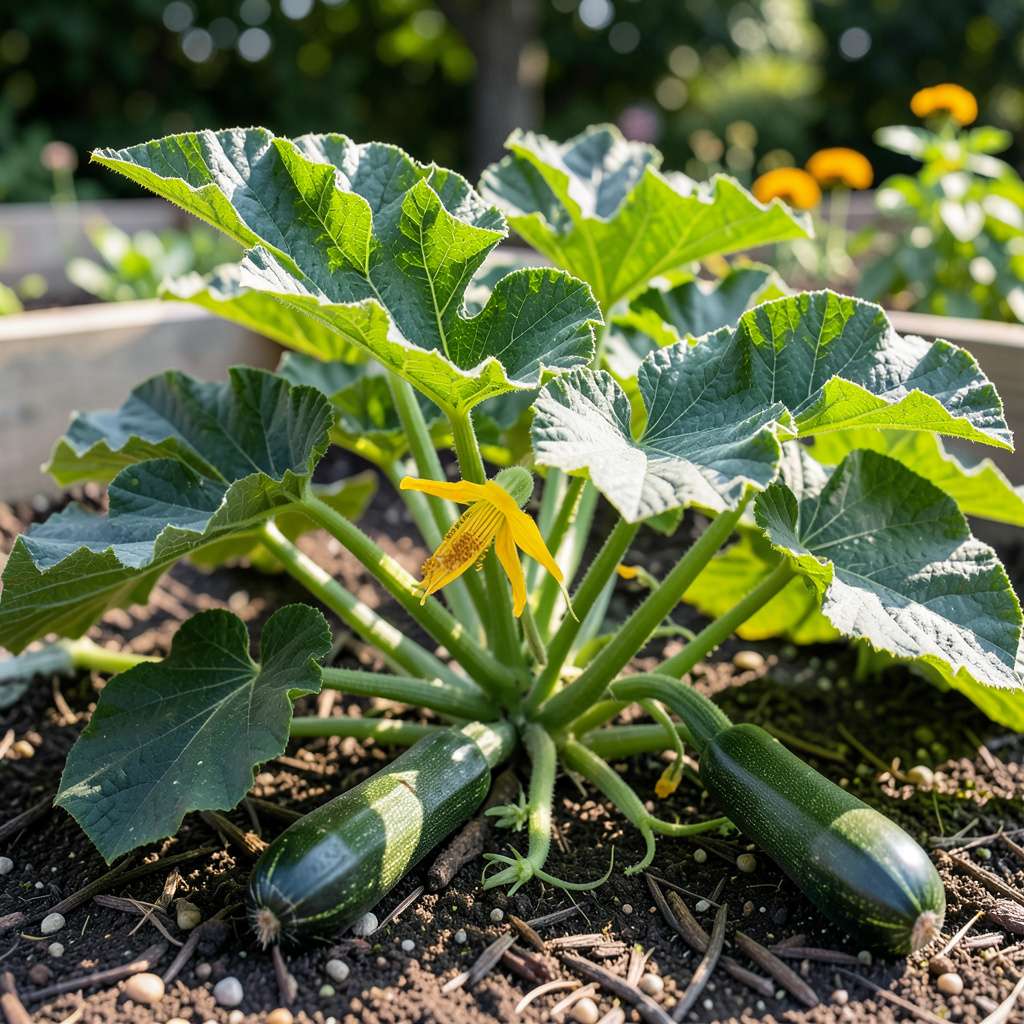
Zucchini plants typically live 3-4 months, producing fruit for 6-8 weeks during peak season. Their lifespan depends on growing conditions, variety, and disease prevention, with most plants declining after heavy fruiting.
I’ve found that zucchini plants follow a predictable life cycle—starting strong with rapid growth, then hitting a sweet spot where they pump out fruit almost daily. What many gardeners don’t realize is that this intense production phase actually shortens the plant’s overall lifespan. 🌱 The secret lies in managing their energy: regular harvesting encourages more growth, while letting zucchinis get too large drains the plant’s resources faster. In my experience, bush varieties tend to peter out sooner than vining types, which can sometimes keep producing into early fall if conditions are ideal.
💡 In This Article
The lifespan of zucchini plants is primarily determined by their genetic programming as annuals, but environmental factors play a huge role in how long they remain productive. These plants follow a “determinate” growth pattern—meaning they grow to a fixed size, produce fruit, then decline.
The key trigger is day length: when nights get longer in late summer, the plant receives hormonal signals to shift energy from leaf production to seed development. This is why you’ll notice fewer flowers and more yellowing leaves as autumn approaches. 🌿
Soil quality dramatically impacts how long your plants thrive. Zucchini need soil with a pH between 6.0-7.5 and at least 2% organic matter to support their rapid growth. I’ve seen plants in poor soil produce for only 4-5 weeks, while those in rich, well-drained beds can keep going for 10+ weeks.
The roots need consistent moisture but hate soggy conditions—aim for 1-1.5 inches of water per week, delivered at soil level to prevent leaf diseases. Vining varieties like ‘Tromboncino’ often outlast bush types because their extensive root systems access more nutrients and water.
Temperature extremes shorten zucchini’s productive window. These plants thrive in 70-85°F days and 55-65°F nights. When temperatures exceed 90°F, pollen becomes sterile, leading to misshapen fruit or complete flower drop. Conversely, chilly nights below 50°F slow growth dramatically.
In my garden journals, I’ve noted that plants started in late May (after soil reaches 60°F) consistently outproduce those planted earlier in cooler soil. The first frost is always the final death knell—zucchini leaves can’t survive temperatures below 32°F. ❄️
Disease pressure accumulates over the season, with powdery mildew being the most common culprit. This fungal disease appears as white powdery spots on leaves, reducing photosynthesis efficiency by up to 40%. The plant compensates by diverting energy from fruit production to new leaf growth, which exhausts its resources faster.
I combat this by planting resistant varieties like ‘Defender’ and applying neem oil every 10-14 days as a preventive. Cucumber beetles also spread bacterial wilt—once infected, plants typically collapse within 2 weeks. ✨
Pollination success directly affects how long plants remain productive. Each female flower (the ones with tiny zucchinis at their base) needs 10-15 visits from bees to be fully pollinated. Incomplete pollination leads to fruit that rots on the vine, wasting the plant’s energy.
I’ve found that planting companion flowers like borage increases bee visits by 30-40%. The more successfully pollinated fruit a plant produces, the more it stimulates additional flower production, extending the harvest window. Hand-pollinating with a small paintbrush can add 2-3 weeks of production in areas with low bee populations.
Nutrient management makes a surprising difference in plant longevity. Zucchini are heavy feeders, requiring 1/2 cup of balanced fertilizer (10-10-10) per plant at planting, then 1/4 cup every 3-4 weeks. The critical nutrient is potassium—it strengthens cell walls and improves disease resistance.
Plants showing purple veins on leaves are phosphorus-deficient, while yellow lower leaves indicate nitrogen deficiency. I side-dress with compost tea every 2 weeks during peak production to maintain vigor. Over-fertilizing with nitrogen leads to excessive leaf growth at the expense of fruit production, paradoxically shortening the harvest period. 💫
The variety you choose sets the baseline for how long your plants will produce. Bush varieties like ‘Black Beauty’ typically peak at 6-8 weeks, while vining types like ‘Costata Romanesco’ can produce for 10-12 weeks under ideal conditions.
Heirloom varieties often have better flavor but shorter production windows compared to modern hybrids bred for disease resistance. In my trials, ‘Eight Ball’ (round zucchini) produced consistently for 9 weeks, while ‘Golden Glory’ tapered off after just 5 weeks but had exceptional early yields. The trade-off is always between total yield and duration of harvest.
Check plants daily and harvest zucchinis when they’re 6-8 inches long. Frequent picking stimulates more flower production, potentially adding 2-3 weeks to your harvest window. Overgrown fruit drains plant energy faster.
Sudden collapse is often bacterial wilt from cucumber beetles. These striped pests transmit the disease when feeding. Use floating row covers early in the season and remove any infected plants immediately to protect others.
In frost-free zones, yes! In cooler climates, use greenhouses or row covers to extend the season. For winter production, try container growing indoors with 12+ hours of grow lights daily.
First check soil moisture—stick your finger 2 inches deep. If dry, water deeply. For yellow leaves, apply compost tea for nutrients. Remove any diseased foliage immediately to redirect energy to healthy growth.
Bush types like ‘Black Beauty’ produce for 6-8 weeks, while vining varieties like ‘Tromboncino’ can go 10-12 weeks. Heirlooms often have shorter windows but better flavor than hybrids.
