
Beautiful Plants For Your Interior
Beautiful Plants For Your Interior
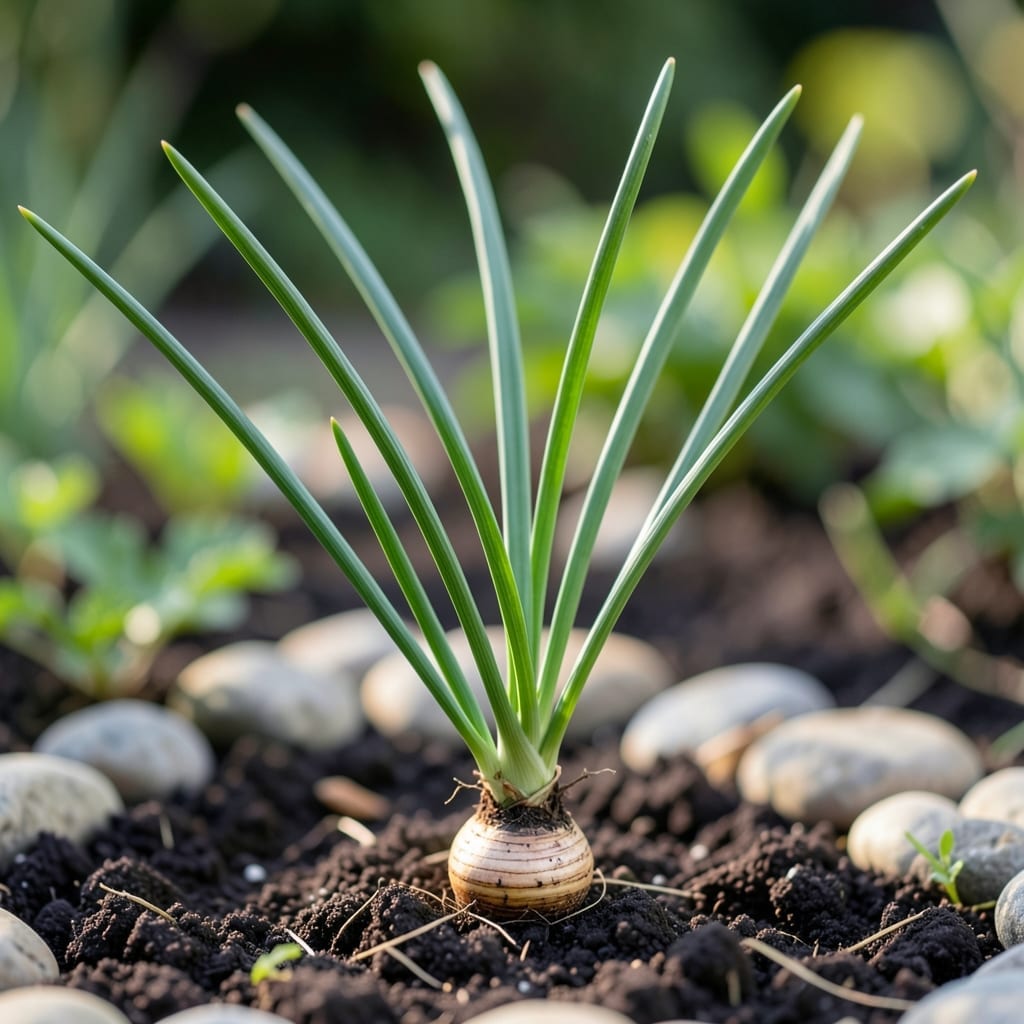
Wild onion grass takes over lawns and gardens faster than you can pull it. I’ve battled this invasive pest for years, and the worst part is how it spreads—underground bulbs and seeds make it a persistent nightmare.
Hand-pulling works if you catch it early, but most people miss the bulbs buried 2-4 inches deep. The key is persistence and timing: tackle it in early spring before it flowers and sets more seeds.
Natural methods like smothering with cardboard or vinegar sprays can help, but they require consistency. One missed patch means it’s back next season, stronger than before.
Prevent regrowth by improving soil health and crowding it out with dense plantings. This isn’t a one-and-done fix—it’s a seasonal commitment.
Wild onion grass, or Allium canadense, thrives in lawns and gardens due to a few key environmental and biological factors. Understanding these causes can help you tackle the root of the problem more effectively. Below are the primary reasons this persistent weed takes over your green spaces.
Wild onion grass flourishes in moist, well-drained soils with high organic matter. If your lawn has compacted soil or poor drainage, it creates the perfect habitat for these weeds to spread. Additionally, low nitrogen levels in the soil can weaken your grass, allowing wild onions to outcompete it for resources.
This invasive plant reproduces both asexually (via underground bulbs) and sexually (through seeds). Even if you remove the visible green shoots, the bulbs can remain dormant in the soil, sprouting new growth later. Wind, animals, or even lawn mowers can spread the seeds, making eradication tricky without addressing the root system.
Thin or patchy lawns provide open spaces for wild onion grass to establish itself. If your grass is stressed by drought, disease, or improper mowing, it struggles to compete with weeds. Over time, these gaps allow wild onions to take hold and multiply unchecked.
Wild onion grass can be stubborn, but targeted solutions make removal manageable. Below are practical fixes for common causes, paired with prevention tips to keep your lawn or garden clear.
Fix: Hand-pull or dig out plants early in the season before they spread. Use a weeding tool to remove bulbs entirely—leaving any behind can lead to regrowth. For larger patches, smother the area with thick cardboard or landscape fabric for 4–6 weeks to block sunlight.
Prevention Tip: 💡 Mow regularly and maintain dense grass or mulch to discourage new growth.
Fix: After pulling, inspect the soil for lingering bulbs. Use a garden fork to sift through the top 4–6 inches and remove any missed. For persistent patches, apply a natural vinegar spray (1 gallon of white vinegar + 1 cup of salt + 1 tbsp dish soap) directly to the leaves—reapply every few days until the plants wilt.
Prevention Tip: ✨ Solarize soil in infested areas by covering with clear plastic for 6–8 weeks to kill dormant bulbs.
Fix: Improve drainage and aeration by tilling the soil and adding organic matter like compost. Healthy soil supports desirable plants that can outcompete wild onion grass.
Prevention Tip: 🎯 Test your soil’s pH and amend as needed—wild onion grass thrives in compacted or nutrient-poor soil.
Fix: Target removal in early spring or fall when plants are actively growing but not yet seeding. This reduces their ability to reproduce.
Prevention Tip: 🌡️ Apply a pre-emergent corn gluten meal in early spring to inhibit bulb germination.
Consistency is key—combine these methods for long-term control without harsh chemicals.
Dig at least 4-6 inches deep to ensure you remove all bulbs and roots. Shallow pulling often leaves bulbs behind, leading to regrowth within weeks.
A strong vinegar solution can kill top growth, but it may not destroy deep bulbs. Repeated applications every 3-5 days are often needed for full eradication.
Avoid composting it unless your pile reaches 140°F+ to kill bulbs. Otherwise, you risk spreading the problem when using the compost later.
Covering with cardboard or thick mulch blocks sunlight and typically kills plants in 4-6 weeks. Check for regrowth after removing the cover.