
Beautiful Plants For Your Interior
Beautiful Plants For Your Interior
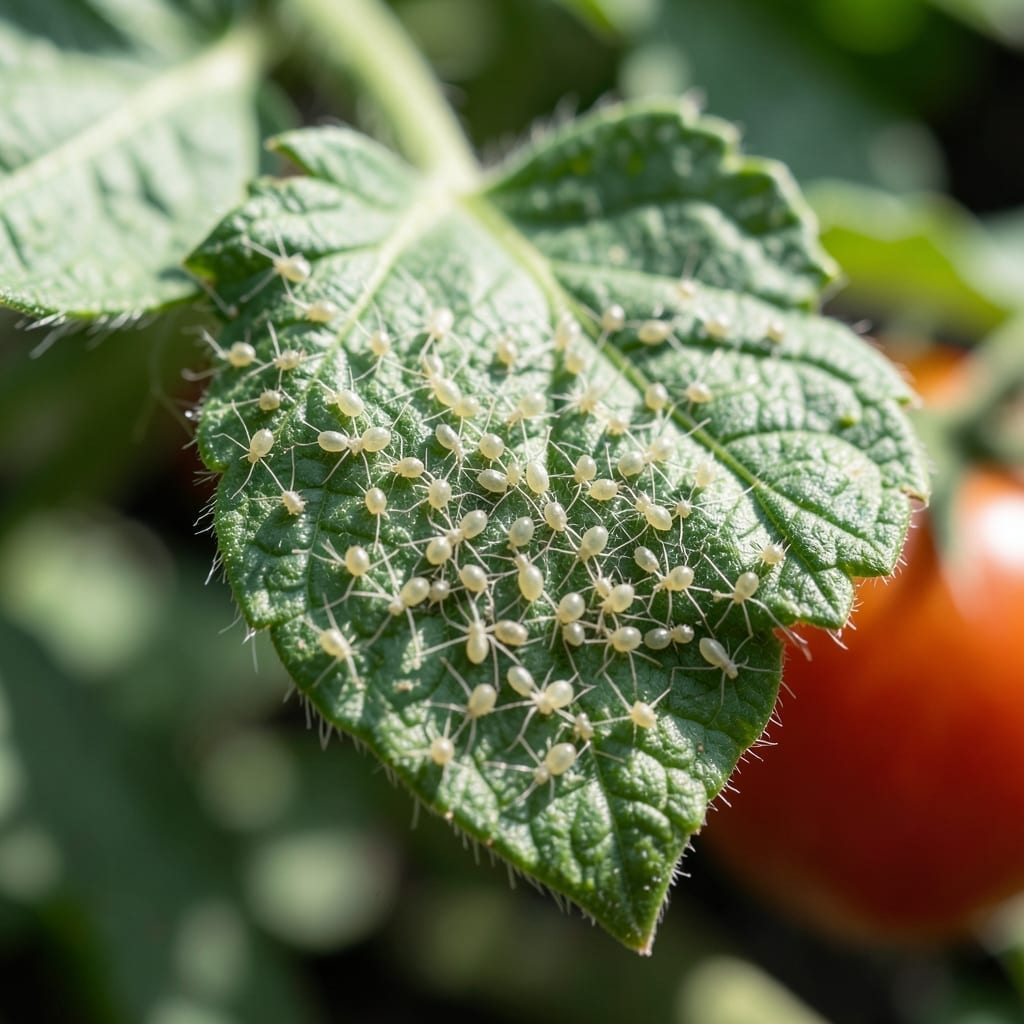
Tiny webs on your plants mean big trouble. Spider mites multiply fast outdoors, turning leaves yellow and stunting growth before you notice the damage.
I lost a whole row of beans to these pests last summer. The key is catching them early and hitting them hard with natural solutions that won’t harm beneficial insects.
Within 48 hours of treatment, you’ll see the webbing disappear and new growth returning. The plants recover faster than you’d expect with the right approach.
Prevention keeps them from coming back next season. A little vigilance now saves you a world of frustration later.
Spider mites thrive in outdoor environments due to a mix of environmental and biological factors. Understanding these causes helps you prevent infestations before they start. Below are the most common triggers:
Spider mites love heat and low humidity. When temperatures rise above 80°F (27°C) and humidity drops below 50%, these pests reproduce rapidly. Their eggs hatch in as little as 3 days under ideal conditions, leading to explosive population growth. Drought-stressed plants are especially vulnerable, as their weakened state makes them easier targets.
Plants growing too close together create a microclimate with poor air circulation—perfect for spider mites. Stress from underwatering, over-fertilizing, or physical damage also reduces a plant’s natural defenses. Mites detect these stressed plants via chemical signals and swarm them, as weakened foliage offers less resistance to feeding.
Outdoors, spider mites are usually kept in check by predatory insects like ladybugs, lacewings, and predatory mites. However, broad-spectrum pesticide use can wipe out these beneficial species, allowing spider mite populations to surge unchecked. Even well-intentioned gardening practices, like removing all garden debris, can eliminate habitats for these natural enemies.
Spider mites are tiny but highly mobile. They can hitchhike on clothing, tools, or pets and spread to new areas. Wind currents can also carry them between plants, especially in dry, dusty conditions. Infestations often start in one part of the garden and spread rapidly if left unaddressed.
Spider mites can be stubborn, but these targeted solutions will help you reclaim your outdoor plants. Address the root causes with these practical fixes:
Spider mites thrive in dry environments. Water your plants deeply at the base to reduce stress and discourage mite activity. For added protection, mist the leaves in the early morning to increase humidity. Consider installing a drip irrigation system to maintain consistent moisture levels without wetting the foliage excessively.
Weak or stressed plants are more susceptible to infestations. Fertilize regularly with a balanced, organic option to strengthen your plants. Prune damaged or yellowing leaves to improve air circulation and remove potential mite habitats. Healthy plants are better equipped to resist and recover from pests.
Introduce beneficial insects like ladybugs, lacewings, or predatory mites to your garden—they’re natural spider mite hunters! For immediate action, apply neem oil or insecticidal soap directly to the affected areas, focusing on the undersides of leaves where mites hide. Reapply every 5-7 days until the infestation clears.
With these steps, your garden will bounce back stronger and mite-free! ✨
Apply natural treatments like neem oil or insecticidal soap every 5-7 days until the infestation clears. Check leaves weekly after that for early signs of return.
Yes, mix 1 tablespoon of mild dish soap with 1 quart of water. Spray directly on leaves, focusing on undersides where mites hide.
Heavy rain can reduce effectiveness. Reapply natural sprays after significant rainfall to maintain protection.
Isolate infested plants immediately. Use a strong water spray to dislodge mites, and avoid working with plants when they’re dry and dusty.