
Beautiful Plants For Your Interior
Beautiful Plants For Your Interior
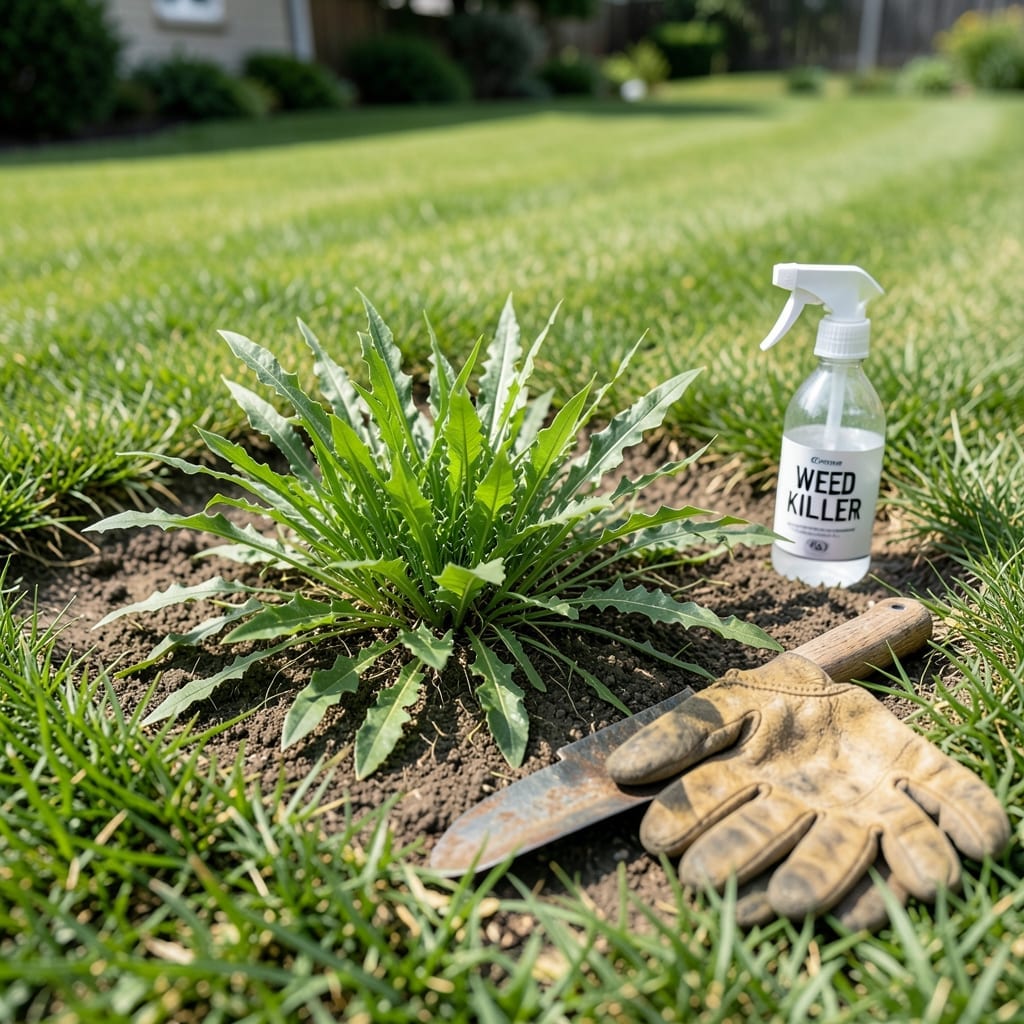
Summer crabgrass takes over lawns faster than you can say “weeds.” I’ve battled this invader every July, and the key is catching it early before it spreads its ugly roots.
Heat-tolerant solutions exist, but timing is everything. Pull it by hand before it seeds, or use a targeted organic spray when temps are below 90°F. Prevention starts with thick, healthy grass that chokes out invaders naturally.
You’ll see results within 7-10 days if you stay consistent. The trick is combining removal with lawn care that discourages regrowth.
Works for any yard, no matter the size. Here’s how to reclaim your lawn this season.
Crabgrass thrives in summer because of a perfect storm of environmental and lawn care factors. Understanding these causes helps you target the root of the problem.
Crabgrass is a warm-season annual that germinates when soil temperatures hit 55–60°F and explodes in growth above 80°F. Summer heat weakens cool-season grasses like Kentucky bluegrass or fescue, creating bare spots where crabgrass seeds take hold. Drought-stressed lawns also have thinner turf, giving crabgrass easy access to sunlight and soil.
Bare or sparse areas in your lawn are open invitations. Crabgrass seeds need light to germinate, and thin turf lets sunlight reach the soil. Poor seeding, compacted soil, or uneven mowing can all contribute to these gaps. A single crabgrass plant can produce up to 150,000 seeds in one season, so even small weak spots can lead to a full-blown infestation.
Mowing too short (scalping) or infrequently weakens grass, reducing its ability to compete. Crabgrass also loves compacted soil, which restricts grass root growth. Over- or under-watering can stress your lawn, while leaving grass clippings too long may smother healthy turf, giving crabgrass a foothold.
Crabgrass prefers low-nitrogen, compacted, or acidic soils. If your lawn lacks proper nutrients or aeration, grass struggles to grow densely, leaving room for weeds. A soil test can reveal imbalances that make your lawn a crabgrass magnet.
Crabgrass can be stubborn, but with the right approach, you can reclaim your lawn. Here’s how to tackle it effectively:
For small patches, manual removal is simple and effective. Use a weeding tool to dig deep and extract the entire plant, roots and all. This prevents regrowth. Best done early in the morning or late afternoon to avoid the peak summer heat.
If crabgrass has already sprouted, use a post-emergent herbicide labeled for crabgrass. Choose a selective herbicide to avoid harming your lawn. Apply on a calm, sunny day, and follow the product instructions carefully. Avoid watering for 24–48 hours after application to let it work.
A thick, healthy lawn naturally crowds out crabgrass. Overseed bare spots in early summer and fertilize regularly. Mow high (3–4 inches) to shade the soil and block crabgrass seeds from germinating. Water deeply but infrequently to encourage deep root growth in your grass.
With persistence and the right techniques, you can keep crabgrass at bay and enjoy a lush, green lawn all summer long!
Hand-pulling works best for small patches. For larger infestations, combine it with spot treatments of post-emergent herbicide to save time and effort.
Apply on a sunny, calm day when temperatures are below 90°F. Early morning or late afternoon avoids stressing your lawn. Avoid watering for 24-48 hours after.
Vinegar can kill young crabgrass but may also harm surrounding grass. For best results, use horticultural vinegar (higher acidity) and apply carefully with a spray bottle.
Crabgrass returns because of its prolific seeding—one plant can produce 150,000 seeds. Focus on prevention by maintaining a thick, healthy lawn.