
Beautiful Plants For Your Interior
Beautiful Plants For Your Interior
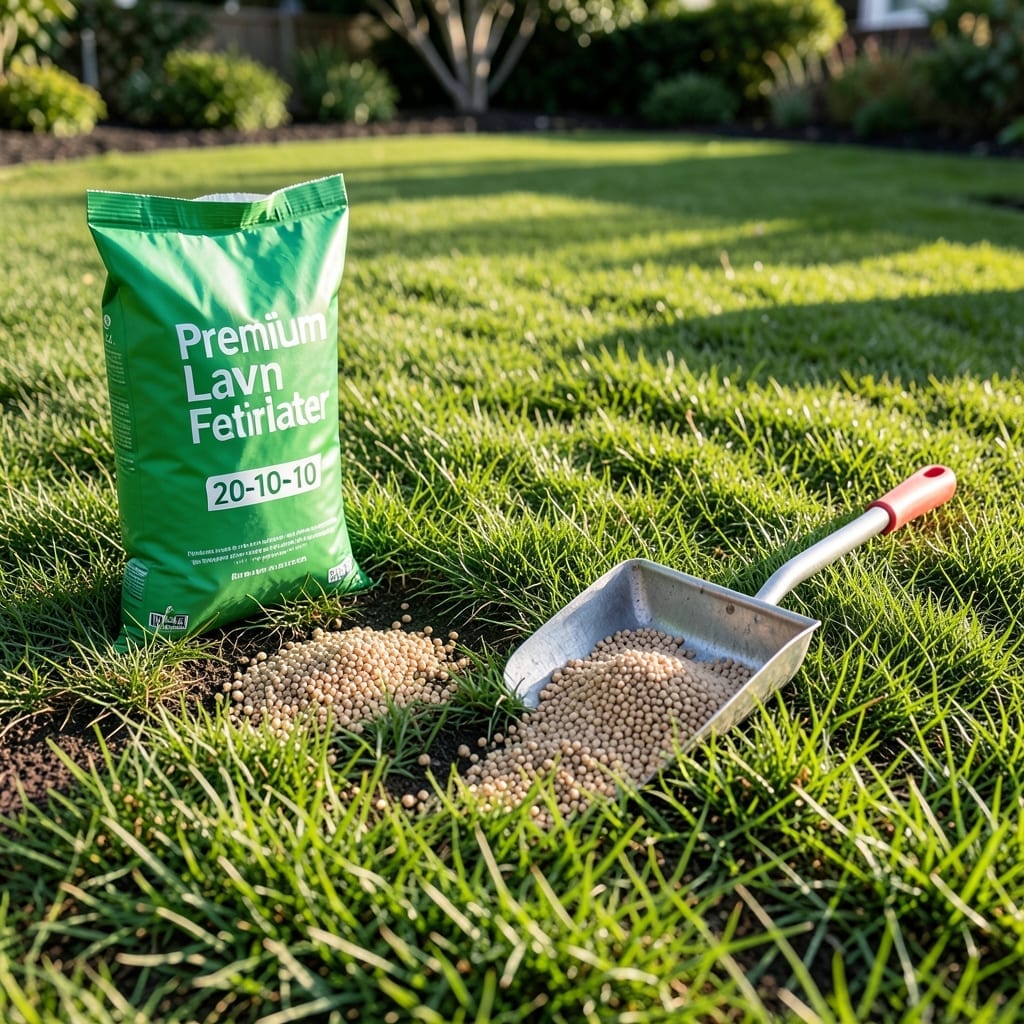
Timing your spring lawn fertilization can make or break your yard’s health. A well-timed feeding transforms a weak, patchy lawn into a vibrant green carpet that thrives all season.
I’ve seen firsthand how the right schedule brings Lawn Grass 🌱 to life. The difference between early and late application is often surprising to new gardeners.
In zone 6, the sweet spot typically falls between March and May. This window aligns perfectly with your grass’s natural growth cycle.
Discover how to pinpoint the exact moment your lawn needs that nutrient boost. The results will speak for themselves in your yard’s appearance.
Getting your spring lawn fertilization timing right starts with knowing your grass type. I’ve found that cool-season grasses like Kentucky bluegrass and fescue thrive with early feeding. They wake up as soon as soil temps hit 55°F.☀️
Warm-season grasses such as Bermuda or Zoysia prefer later feeding. Wait until soil reaches 65°F and all frost risk passes. This timing prevents nutrient waste and supports robust growth.
| Grass Type | Optimal Soil Temp | Best Months | Key Notes |
|---|---|---|---|
| Cool-Season | 55°F | March-April | Feed at first green-up |
| Warm-Season | 65°F | April-May | Wait for consistent warmth |
| Transition Zone | 60°F | April | Monitor local frost dates |
In my experience, cool-season lawns in northern states benefit from a light feeding in early March. This kickstarts root development before the summer stress. Always check your local frost dates to avoid cold damage.🌱
For warm-season grasses in southern regions, I recommend waiting until mid-April. This ensures the soil is warm enough for nutrient uptake. Fertilizing too early can lead to wasted product and poor results.
If you’re in the transition zone, timing can be tricky. I suggest splitting your application: a light dose in early spring for cool-season patches and a full feeding in late spring for warm-season areas.🌿
Remember, soil temperature is more reliable than calendar dates. I use a soil thermometer to check conditions at 2-3 inch depth. This tool takes the guesswork out of timing.
Another pro tip: water your lawn 1-2 days before fertilizing. This ensures the soil is moist and ready to receive nutrients. Avoid fertilizing right after rain to prevent runoff.💧
Finally, consider your fertilizer type. I prefer slow-release formulas for spring. They provide steady nutrition without the risk of burning your lawn. Always follow the package instructions for application rates.
I always watch for visual cues that my lawn is craving nutrients in spring. The most obvious sign is when your grass loses its vibrant green color and starts looking dull or yellowish.
Another clear indicator is slow growth after winter dormancy. If your lawn isn’t bouncing back as quickly as it should, it likely needs a nutrient boost to kickstart recovery.
I notice footprints or pet damage that don’t spring back quickly. Healthy grass should recover within hours, but nutrient-deficient lawns stay flattened. This is a sure sign to fertilize.
Look for bare spots or areas where the grass is thinning out. These weak spots often indicate that your lawn isn’t getting enough essential nutrients to maintain density.
If you see weeds or moss taking over areas of your lawn, this is nature’s way of telling you your grass is struggling to compete and needs strengthening with fertilizer.
Remember, the best time to fertilize is when your grass is actively growing and the soil is moist but not waterlogged. This ensures optimal nutrient uptake. ☀️