
Beautiful Plants For Your Interior
Beautiful Plants For Your Interior
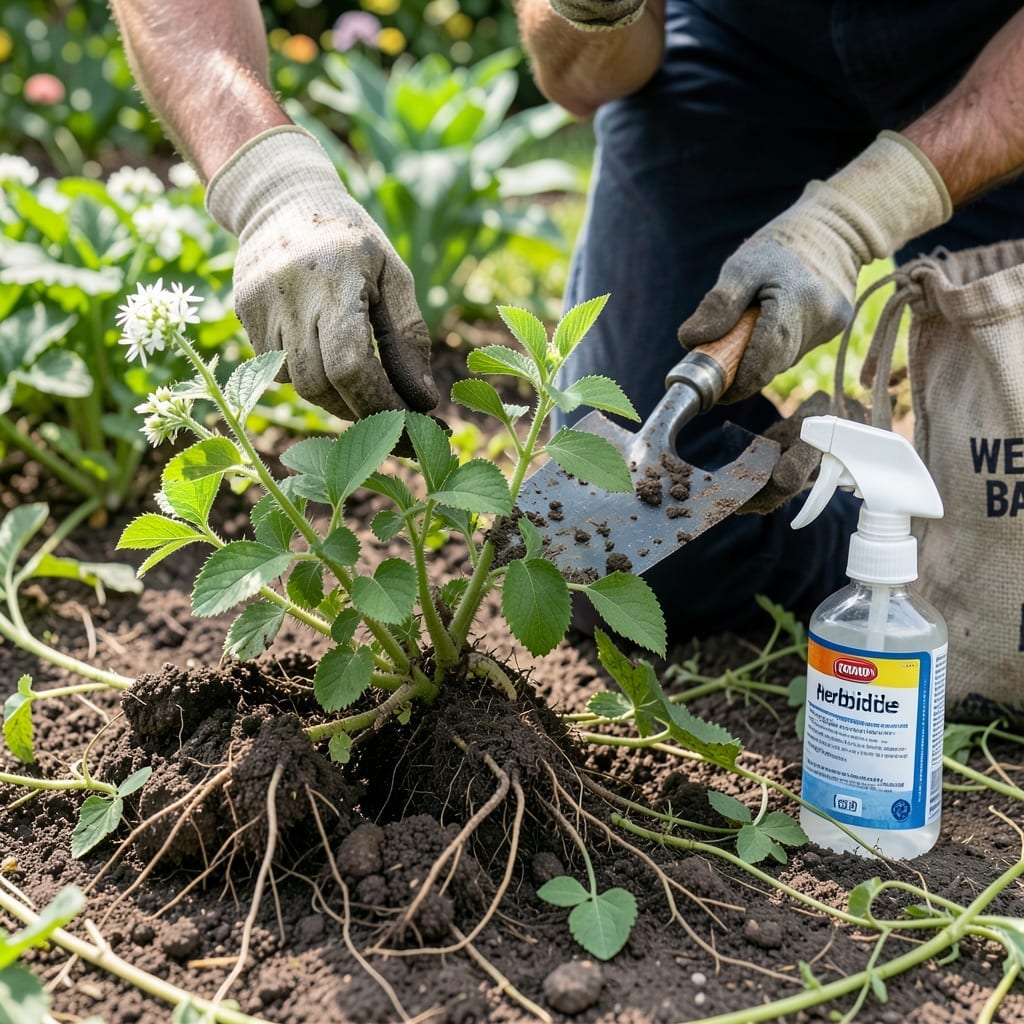
Carolina horsenettle laughed at my first three attempts to remove it. This stubborn weed spreads aggressively through roots and seeds, making it a nightmare in gardens and lawns.
I finally won the battle with a combination of persistence and the right techniques. The key is attacking it early, before it establishes deep roots and produces those spiky seed pods.
You’ll notice fewer sprouts within 2-3 weeks of consistent effort. By the end of the season, your garden beds will stay weed-free with proper maintenance.
Works in vegetable gardens, flower beds, and lawns. Here’s how to reclaim your space without harsh chemicals.
Carolina horsenettle (Solanum carolinense) thrives due to a mix of biological and environmental advantages. Understanding these causes helps you target its weaknesses. Below are the primary reasons this stubborn weed invades gardens and lawns.
Each plant produces hundreds of seeds, which can lie dormant in the soil for years. When conditions are right—warmth, moisture, and sunlight—they germinate rapidly. Even a single mature plant can repopulate an entire bed if left unchecked.
This perennial weed develops rhizomes (underground stems) that spread horizontally, creating dense networks. These roots store energy, allowing the plant to regrow even after above-ground foliage is removed. Disturbing the soil can accidentally propagate it further.
Carolina horsenettle has few natural enemies in most ecosystems. Its spiny leaves and stems deter herbivores, while its toxic alkaloids (like solanine) repel insects. Without competition or predators, it outcompetes desirable plants for nutrients and space.
Weak or compacted soil with low organic matter gives horsenettle a foothold. It thrives in overworked or neglected areas, such as garden edges, driveways, or bare patches in lawns. Improving soil health can suppress its growth.
Tackling Carolina horsenettle requires persistence, but these targeted fixes will help you reclaim your garden. Below, we break down the most effective methods based on the root causes of its spread.
For small infestations, hand-pulling works best. Use gloves to protect your hands from the plant’s spiny leaves and stems. Pull entire plants, roots and all, to prevent regrowth. For stubborn roots, use a garden fork to loosen the soil first. Pro tip: 💡 Do this after rain when the soil is soft for easier removal.
If the horsenettle has taken over a large area, smothering is your best bet. Lay thick layers of cardboard or black plastic over the affected area, then cover with mulch or soil. This blocks sunlight, starving the weeds. Leave it in place for at least 6 months to ensure the plants and roots die off.
For tough cases, apply an organic herbicide like vinegar (with 20% acetic acid) or a citrus-based spray. Mix with a drop of dish soap for better adhesion. Spray directly on leaves on a sunny day for maximum effectiveness. Avoid overspray, as it can harm desirable plants. Pro tip: ✨ Reapply every 1-2 weeks until the plants are gone.
Prevention Tips:
Yes, all parts contain solanine, a toxin that can cause vomiting or diarrhea in dogs and cats. Wear gloves when handling, and keep pets away from treated areas until plants are fully removed.
Rhizomes can extend 2-3 feet deep and spread horizontally. Use a garden fork to extract the entire network, or smother for 6+ months to starve them out.
Vinegar with 20% acetic acid can burn foliage but may not destroy deep roots. Repeat applications every 1-2 weeks are often needed for full eradication.