
Beautiful Plants For Your Interior
Beautiful Plants For Your Interior
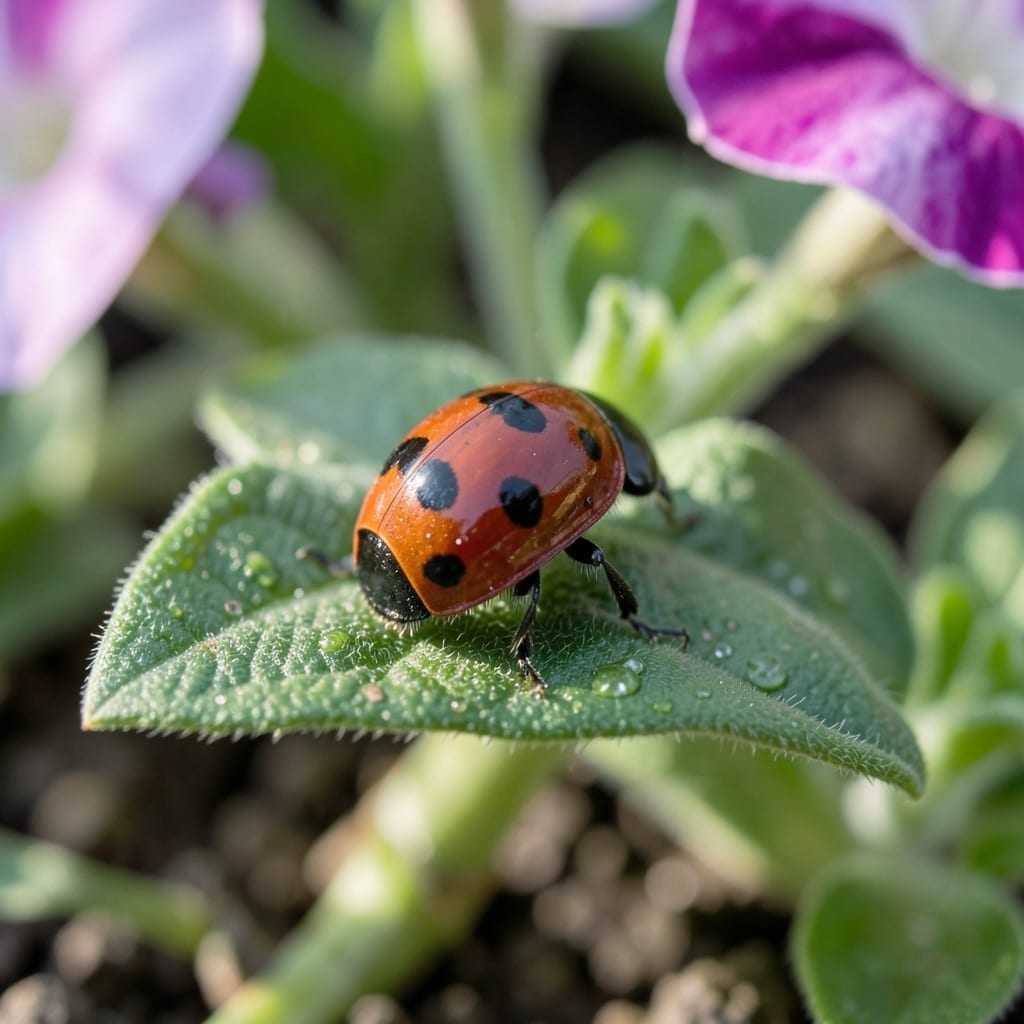
Tiny green invaders can ruin petunias overnight. I’ve battled aphids on my flowers for years, and the right approach turns the tide fast.
These pests multiply quickly, but they’re weak against simple, natural sprays. A mix of water, soap, and a little oil disrupts their life cycle without harming your plants.
You’ll see results within 24-48 hours as the aphids vanish and your petunias bounce back. No harsh chemicals, no fuss—just a foolproof method that works every time.
Prevention keeps them from returning, so your blooms stay vibrant all season. Here’s how to reclaim your garden.
Aphids thrive on petunias for several biological and environmental reasons. Understanding these causes helps prevent future infestations and keeps your blooms vibrant. Below are the most common triggers:
Petunias fed with high-nitrogen fertilizers produce soft, succulent new growth—aphids’ favorite food. Nitrogen encourages leafy development but weakens plant resistance. Switch to a balanced fertilizer (e.g., 10-10-10) or one higher in phosphorus to strengthen stems and deter pests.
Both overwatering and underwatering stress petunias, making them vulnerable. Overwatering creates damp conditions where aphids reproduce rapidly, while drought-stressed plants emit chemical signals that attract them. Water at the base in the morning to allow foliage to dry, and maintain consistent moisture.
Monoculture gardens (e.g., rows of only petunias) lack natural predators like ladybugs, lacewings, or parasitic wasps. Aphids multiply unchecked without these controls. Introduce companion plants such as marigolds, basil, or alyssum to attract beneficial insects and disrupt aphid colonies.
Aphids proliferate in mild temperatures (60–80°F) and moderate humidity, typical of spring and early summer. Petunias grown in these conditions without protective measures (e.g., row covers or reflective mulches) become easy targets. Monitor weather patterns and intervene early during peak aphid seasons.
Petunias planted too closely or suffering from nutrient deficiencies (e.g., low potassium) lack vigor. Aphids target weakened plants because their cell walls are easier to pierce. Thin seedlings to improve airflow, and amend soil with compost to boost plant health.
Tackling aphids on your petunias doesn’t have to be a battle. Here are practical, easy-to-follow fixes for every scenario, plus tips to keep them from coming back.
If you spot a small infestation, start with the simplest solution. Use a garden hose with a strong spray nozzle to blast aphids off the plants. Focus on the undersides of leaves where they love to hide. Do this in the morning so foliage dries quickly, reducing the risk of fungal issues. Repeat every few days until the aphids are gone.
For a gentle yet effective approach, mix 1 tablespoon of mild liquid soap (like castile soap) with 1 quart of water and spray it directly on the aphids. The soap breaks down their protective coating, causing them to dehydrate. Pro tip 💡: Test the spray on a small section of the plant first to ensure it doesn’t damage the leaves. Neem oil (mixed with water and a drop of dish soap) is another great option—apply it in the evening to avoid harming beneficial insects like bees.
Bring in the cavalry! Ladybugs, lacewings, and parasitic wasps are natural predators of aphids. Release ladybugs at dusk near your petunias, as they’re less likely to fly away immediately. You can also plant companion flowers like marigolds or alyssum to attract these helpful insects to your garden.
For a hands-on approach, wear gloves and wipe off aphids with a damp cloth or cotton swab dipped in rubbing alcohol. This works well for heavily infested areas or if you only have a few plants to treat. Dispose of the aphids in soapy water to ensure they don’t return.
Prevention Tips: Keep your petunias healthy with regular watering and fertilizing, as stressed plants are more susceptible to pests. Remove weeds around your garden, as they can harbor aphids. Also, inspect new plants before bringing them home to avoid introducing pests to your garden.
Apply natural sprays every 2-3 days until aphids are gone. For prevention, spray weekly or after rain. Always check leaf undersides for new pests.
Mild soap solutions are safe if used correctly. Test on a small area first and avoid harsh detergents. Rinse leaves after 1-2 hours to prevent residue.
Release ladybugs at dusk when temperatures are cooler. They’ll stay longer to hunt aphids. Water plants first to give them a drink.
Yes, mix 1 part vinegar with 3 parts water. Spray directly on aphids, but avoid overuse as vinegar can harm plants. Test on a few leaves first.