
Beautiful Plants For Your Interior
Beautiful Plants For Your Interior
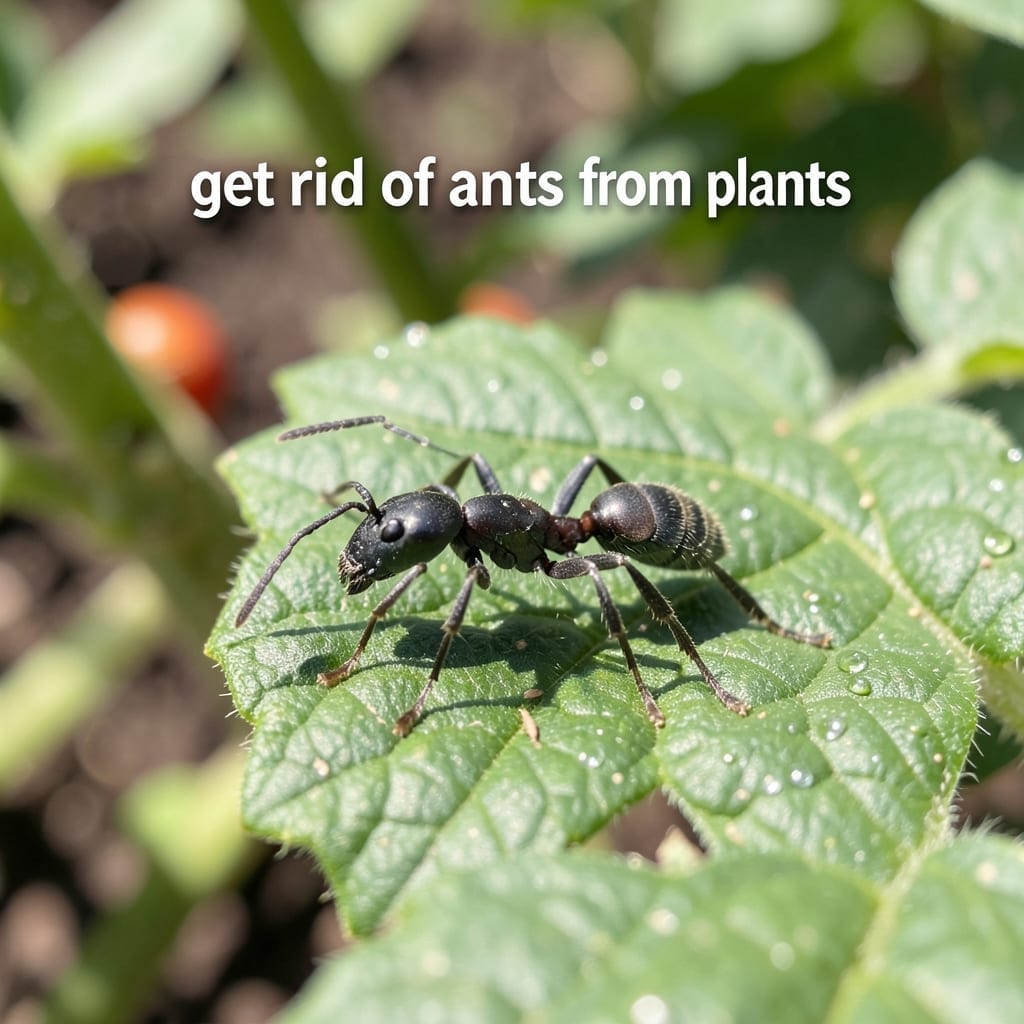
Ants marching across your plants aren’t just annoying—they’re often farming pests that damage roots. I learned this the hard way after watching aphids and ants team up to ruin my rose bushes.
The good news? A vinegar solution can break this cycle fast. It disrupts their scent trails and sends them packing without harsh chemicals that might hurt your plants.
You’ll see results within 24 hours if you apply it correctly. The key is targeting the ants, not drenching the soil, to protect your plant’s roots and beneficial microbes.
Works for potted plants, garden beds, and even indoor greenery. Here’s how to mix and use it safely for immediate relief.
Ants don’t just wander onto your plants by accident—they’re drawn by specific conditions and resources. Understanding these triggers helps you tackle the root of the problem. Here’s why it happens:
Many plant pests, like aphids, mealybugs, and scale insects, excrete a sticky, sweet substance called honeydew. Ants are highly attracted to this natural sugar source, forming a symbiotic relationship: they protect the pests (which become their “livestock”) in exchange for honeydew. If you spot ants crawling on leaves or stems, check for these sap-sucking insects first.
Potted plants or dense garden foliage provide moist, shaded hiding spots ideal for ant colonies. Loose soil, mulch, or decaying organic matter in plant containers can also serve as nesting grounds. Ants may even build nests under plant pots, using the roots as a highway to food sources.
Ants are opportunistic foragers. They’ll climb plants to hunt for insect prey (like caterpillars or dead bugs) or scavenge fallen fruits, seeds, or nectar. Some species, like fire ants, may even tend to plant-damaging pests to ensure a steady food supply.
Excess moisture from overwatering or poor drainage softens soil and encourages fungal growth, which attracts ants. Damp environments also help them tunnel more easily. If your plant’s soil stays soggy, it might be unintentionally rolling out the welcome mat for an ant infestation.
Ants on your plants can be frustrating, but these targeted solutions will help you reclaim your greenery. Below are practical fixes for common causes, along with prevention tips to keep them from returning.
Fix: Spray plants with a neem oil solution (1 tsp neem oil + 1 tsp dish soap + 1 quart water) to eliminate aphids. Wipe leaves with a damp cloth to remove honeydew.
Prevention: Regularly inspect plants for pests. Introduce beneficial insects like ladybugs to keep aphid populations in check.
Fix: Let the soil dry slightly between waterings. Remove decaying leaves or plant debris promptly. Use a cinnamon sprinkle around the base—ants dislike the scent.
Prevention: Ensure pots have proper drainage. Avoid overwatering and clean up fallen foliage regularly.
Fix: Wipe down leaves and stems with a vinegar-water mix (1:1 ratio) to remove sticky residues. Rinse with plain water afterward.
Prevention: Avoid using sugary fertilizers. Clean up spills or plant foods that may attract ants.
Fix: Create a barrier with diatomaceous earth or chalk around pots—ants won’t cross these lines. Place sticky traps near entry points.
Prevention: Elevate plants on stands or hooks to limit ground access. Seal cracks in windows or doors near indoor plants.
💡 Pro Tip: For immediate results, spray a vinegar solution (equal parts water and white vinegar) directly on ant trails. This disrupts their scent paths and deters them quickly!
No, when diluted properly (1:1 with water), vinegar won’t harm most plants. Avoid spraying directly on leaves in strong sunlight to prevent potential burning. Always test on a small area first.
For vinegar or neem oil, reapply every 2-3 days until ants disappear. Preventative barriers like diatomaceous earth can be refreshed weekly or after rain. Consistency is key.
They’re likely drawn by lingering honeydew or nest sites. Check for hidden aphids or moist soil. Remove food sources and seal entry points to break the cycle permanently.
Yes, but outdoor ants may require stronger solutions. For gardens, try boiling water on visible mounds or citrus peels as natural deterrents. Adjust based on infestation size.