
Beautiful Plants For Your Interior
Beautiful Plants For Your Interior
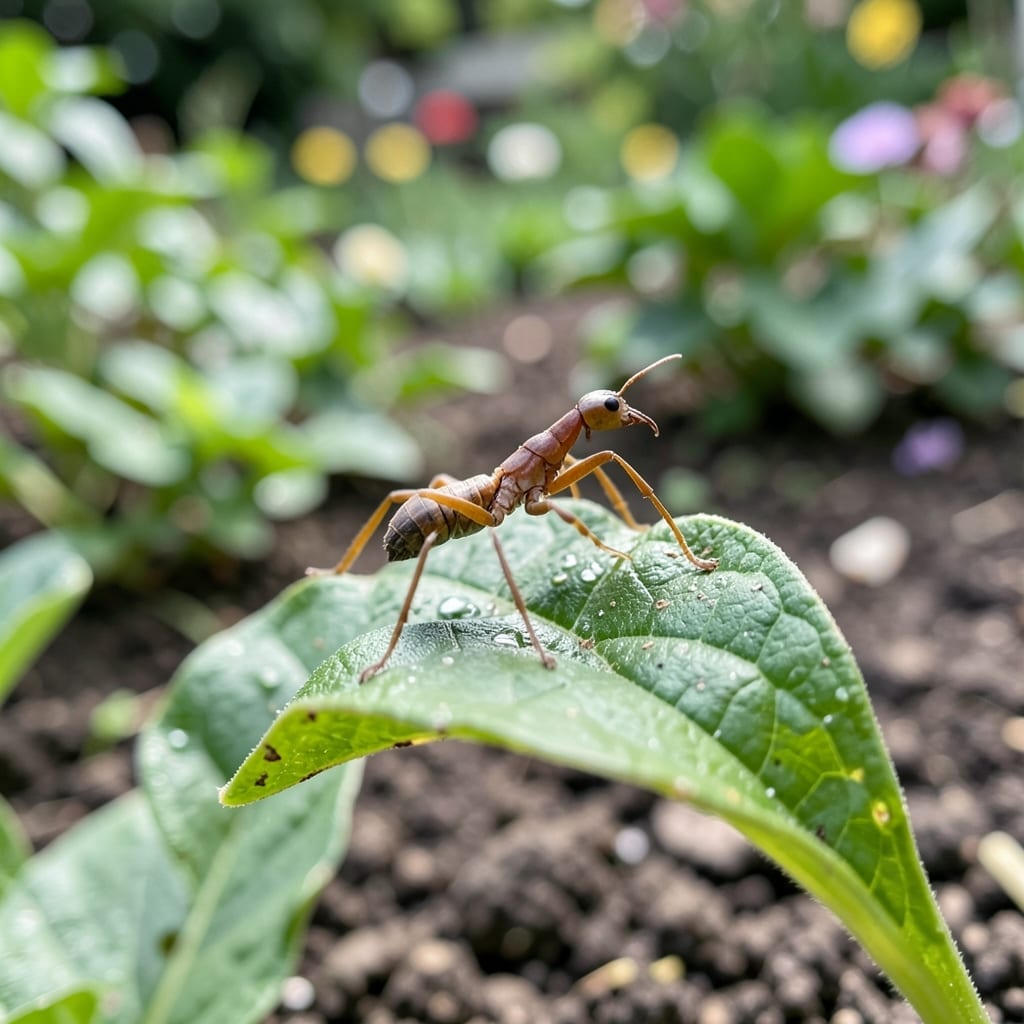
That ant mound by your rose bushes isn’t just an eyesore—it’s a garden takeover in progress. I’ve watched ant beds multiply overnight, turning healthy soil into their personal highway system.
Here’s the thing—most people grab chemicals that poison the soil and plants. The natural approach works better, keeps your garden safe, and prevents them from coming back next week.
You’ll reclaim your yard within 24-48 hours using things you already have at home. No harsh sprays, no dead earthworms, just clean garden beds.
Works for fire ants, carpenter ants, or those tiny black ones that swarm your sidewalk. Let’s send them packing for good.
Ants don’t just randomly choose your yard—they’re drawn by specific conditions that make it an ideal home. Understanding why ant beds appear is the first step to preventing them. Below are the most common causes, broken down scientifically.
Ants are foragers, and your yard may be a buffet. Sugary substances (like fallen fruit, nectar, or pet food), proteins (dead insects, meat scraps), and grease attract colonies. Even crumbs from outdoor dining can signal ants to settle nearby. Worker ants leave pheromone trails to guide others, reinforcing the infestation.
Ants need water to survive, and damp soil is prime real estate. Leaky hoses, standing water, or overwatered lawns create the perfect environment. Some species, like fire ants, prefer dry mounds but still require moisture nearby. Poor drainage in clay-heavy soil can also trap water, encouraging nests.
Your yard’s loose soil, mulch, or decaying wood offers easy tunneling for ants. Bare patches, cracks in pavement, or gaps under sheds provide protection from predators and weather. Carpenter ants, for example, excavate damp wood, while pavement ants nest under stones or concrete slabs.
Ants thrive in sunny, warm areas, which is why mounds often appear in open, south-facing spots. The heat accelerates larval development, and bare soil absorbs sunlight better than shaded or grass-covered areas. This is why ant beds frequently pop up in driveways, patios, or thin lawns.
Tackling ant beds in your yard starts with identifying the root cause and applying targeted fixes. Here’s how to reclaim your outdoor space:
Ants love damp areas. If standing water or soggy soil is the issue, grade your yard to slope away from foundations and install French drains or rain barrels to redirect excess water. For quick fixes, spread diatomaceous earth around moist zones—it dehydrates ants on contact. Prevention tip: 💡 Water plants in the morning so soil dries by evening.
Ants flock to crumbs, pet food, or fallen fruit. Seal trash bins tightly, clean up spills promptly, and store pet food indoors. For organic debris, rake up leaves and remove overripe fruit from trees. Prevention tip: ✨ Use ant-proof containers for compost and birdseed.
Shallow ant beds under rocks or mulch? Pour boiling water directly into the nest (best for fire ants). For deeper colonies, apply borax baits near trails—worker ants carry the poison back to the queen. Prevention tip: 🎯 Lay gravel or sand in problem areas to discourage nesting.
Plant mint, lavender, or marigolds around your yard—their scents repel ants. Alternatively, sprinkle cinnamon or vinegar near entry points to disrupt their scent trails. Prevention tip: 🌡️ Reapply natural repellents after rain for lasting protection.
Combine these methods for a long-term, ant-free yard without harsh chemicals!
Most ant beds extend 1-2 feet underground, but some species like carpenter ants can tunnel 3-4 feet deep. Shallow mounds are easier to treat with boiling water or diatomaceous earth.
For immediate results, pour 2-3 gallons of boiling water directly into the nest entrance. This kills workers and larvae on contact, but may require repeat treatments for the queen.
Vinegar disrupts scent trails and kills surface ants, but won’t reach deep nests. Use it as a daily spray on trails for 1 week to deter new activity. Combine with baits for full colony elimination.
Remove food sources, fix moisture issues, and apply diatomaceous earth barriers. Plant mint or marigolds as natural deterrents around problem areas.