
Beautiful Plants For Your Interior
Beautiful Plants For Your Interior
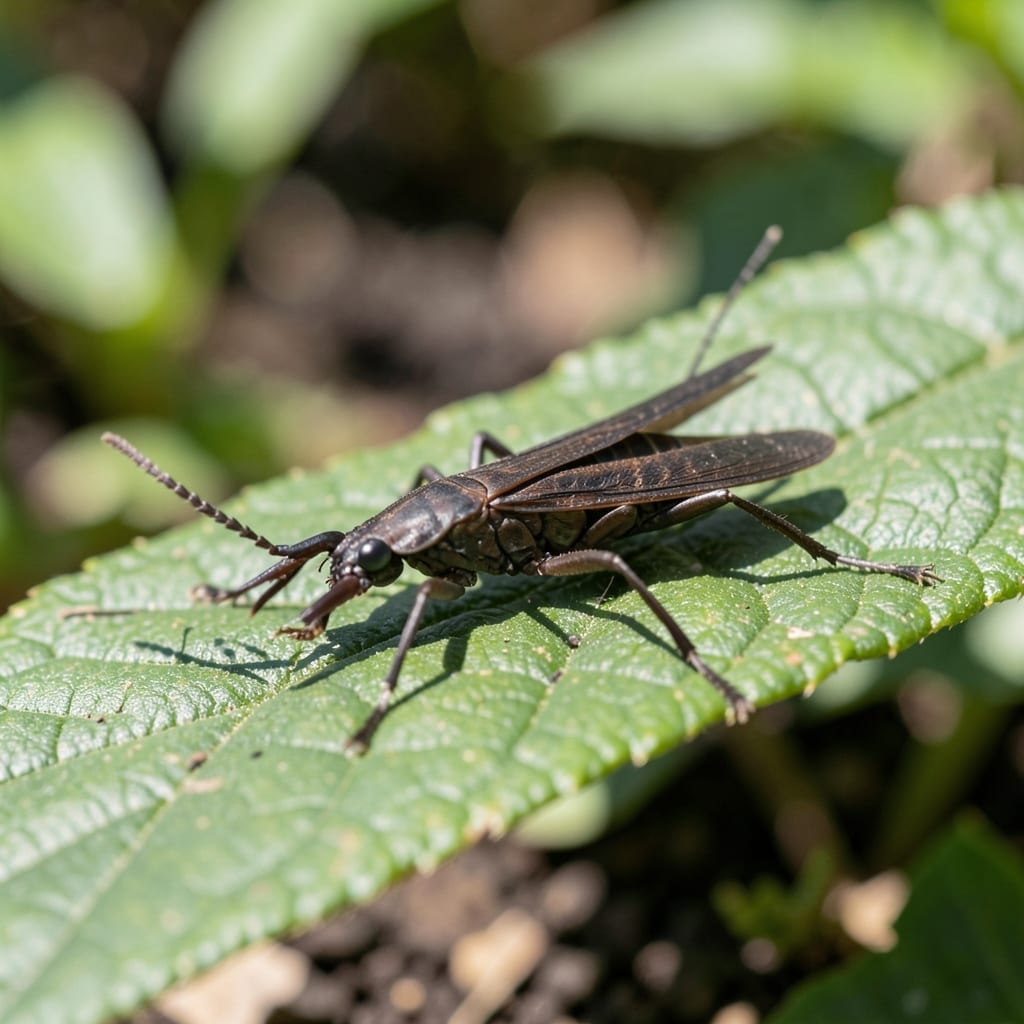
Those little nighttime visitors wreaking havoc on your plants? I’ve been there. Earwigs turn a thriving garden into their personal buffet overnight, munching through leaves and petals like there’s no tomorrow.
Here’s the thing—they’re sneaky but predictable. A simple overnight trap with items you already have at home can cut their numbers dramatically. No fancy gear, just smart timing and placement.
By morning, you’ll see the difference. Fewer chewed leaves, less damage to tender seedlings, and a garden that finally gets a break. It’s not magic—just targeted action where it counts.
Best part? This method works for any garden size, from containers to full backyard plots. Let’s evict those pests for good.
Earwigs thrive in gardens for specific, often preventable reasons. Understanding these triggers helps you tackle the root of the problem.
Earwigs are drawn to damp environments. Overwatered soil, poor drainage, or thick mulch creates the perfect habitat. They seek moisture to survive and lay eggs, making waterlogged gardens a prime target.
Piles of leaves, decaying wood, or dense ground cover provide hiding spots and food sources. Earwigs feed on decomposing plant matter, so gardens with untreated compost or thick mulch unintentionally invite them.
Earwigs are nocturnal, active at night when gardens are undisturbed. They scavenge for insects, plants, and organic material, so a garden with abundant nighttime activity (or lack of predators) becomes a buffet.
Tall grass, dense shrubs, or unpruned plants create sheltered, humid microclimates. These areas retain moisture and block sunlight, making them ideal for earwig colonies to flourish.
Earwigs love damp, dark spots, so start by removing their hiding places. Clear leaf litter, mulch, and dense ground cover where they nest. This alone can cut their numbers fast. Next, tackle moisture—fix leaky hoses, improve drainage, and water plants in the morning so soil dries by evening.
Set out shallow traps like rolled-up newspaper or cardboard tubes near plants. Earwigs crawl in by dawn—dump them in soapy water to dispose. For a stronger lure, fill a low dish with beer or oil; they’ll drown trying to drink it.
Sprinkle diatomaceous earth (food-grade) around garden beds—it dehydrates them on contact. Reapply after rain. Crushed eggshells or coffee grounds also deter them with sharp edges or strong scents.
💡 Pro Tip: Check traps daily and rotate locations for best results.
Damp conditions and organic debris are their favorites. Overwatered soil, thick mulch, or leaf piles create ideal hiding spots.
They chew leaves and petals, especially at night. While they prefer decaying matter, they’ll attack healthy plants if populations grow.
Diatomaceous earth and crushed eggshells are highly effective. Sprinkle these around beds to create barriers they avoid.
Remove hiding spots, reduce moisture, and use traps like rolled newspaper or beer dishes for overnight control.