
Beautiful Plants For Your Interior
Beautiful Plants For Your Interior
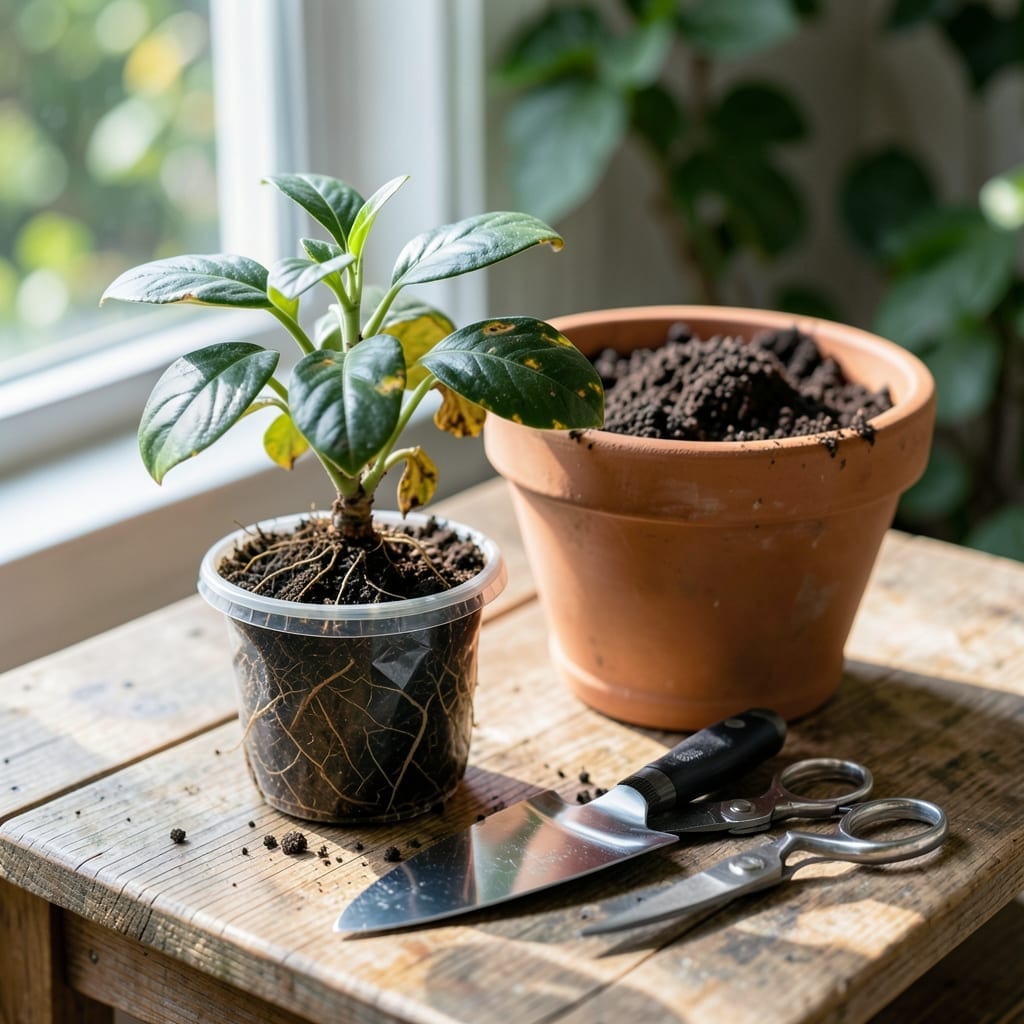
Your plant’s roots are circling like they’re training for a marathon. I’ve saved dozens from this fate with one simple fix that takes 10 minutes and zero special skills.
Root binding suffocates growth, but the solution is straightforward: loosen the roots, upgrade the pot, and give them room to stretch. Most people wait too long—don’t be that person.
Within 2 weeks, you’ll see new top growth and healthier foliage. The key is gentle handling and the right soil mix to prevent shock.
Works for houseplants, seedlings, and even garden transplants. Here’s how to do it right.
Root bound plants, also known as pot bound or root bound, develop when roots grow excessively within a confined space. This common issue restricts nutrient and water uptake, stunting plant health. Below are the primary causes:
Plants naturally expand their root systems to seek nutrients and moisture. When confined to a small pot, roots coil and circle, forming a dense mat. This restricts growth and prevents proper water absorption, leading to stress.
Many gardeners overlook repotting until visible distress appears (e.g., wilting or yellowing leaves). Over time, roots fill the container, depleting soil resources. Most plants need repotting every 1–2 years, depending on growth rate.
Excess water in compacted soil encourages roots to grow excessively in search of oxygen. Poor drainage exacerbates the problem, as soggy conditions suffocate roots and promote circling growth patterns.
Aggressive growers (e.g., pothos, spider plants, or bamboo) outpace their containers quickly. Without intervention, their roots become tightly bound, impeding nutrient uptake and overall vitality.
Root-bound plants need immediate attention to thrive again. Here’s how to tackle the most common causes and restore healthy growth.
Gently remove the plant from its pot and loosen the tangled roots with your fingers. Trim any circled or blackened roots with clean scissors. Choose a new pot that’s 2–3 inches wider in diameter and fill it with fresh, well-draining potting mix. Water thoroughly after repotting to help the roots settle.
Prevention tip: 💡 Repot every 1–2 years or when roots emerge from drainage holes.
If water pools on the surface, your soil may be too dense. Replace heavy or compacted soil with a light, airy mix (add perlite or coconut coir for aeration). Ensure the new pot has drainage holes to prevent soggy roots.
Prevention tip: 💡 Use pots with multiple drainage holes and avoid overwatering.
If the plant has been root-bound for a while, it may need extra care. After repotting, place it in bright, indirect light and avoid fertilizing for 2–3 weeks to reduce stress. Mist the leaves to boost humidity if needed.
Prevention tip: ✨ Set a monthly check-in to inspect roots and soil health.
Avoid jumping to a massive pot—this can lead to overwatering and slow growth. Instead, increase pot size incrementally (no more than 3 inches wider) to give roots room without overwhelming them.
Prevention tip: 🎯 Match pot size to the plant’s current root ball, not its future growth.
Inspect your plants every 6 months or when you notice slow growth. Gently remove the plant and look for circling roots or a dense root ball. Early detection prevents major stress.
Yes, but clean it thoroughly with soap and water to remove old soil and potential pests. If the pot is too small, upgrade to one that’s 2–3 inches wider for better root growth.
Wilting is normal for 24–48 hours as roots adjust. Keep the plant in bright, indirect light and avoid fertilizing. If wilting persists, check for overwatering or root damage.
Only trim roots that are circling, blackened, or mushy. Healthy white roots should stay intact. Use clean scissors and trim no more than 1/3 of the root mass to avoid shock.