
Beautiful Plants For Your Interior
Beautiful Plants For Your Interior
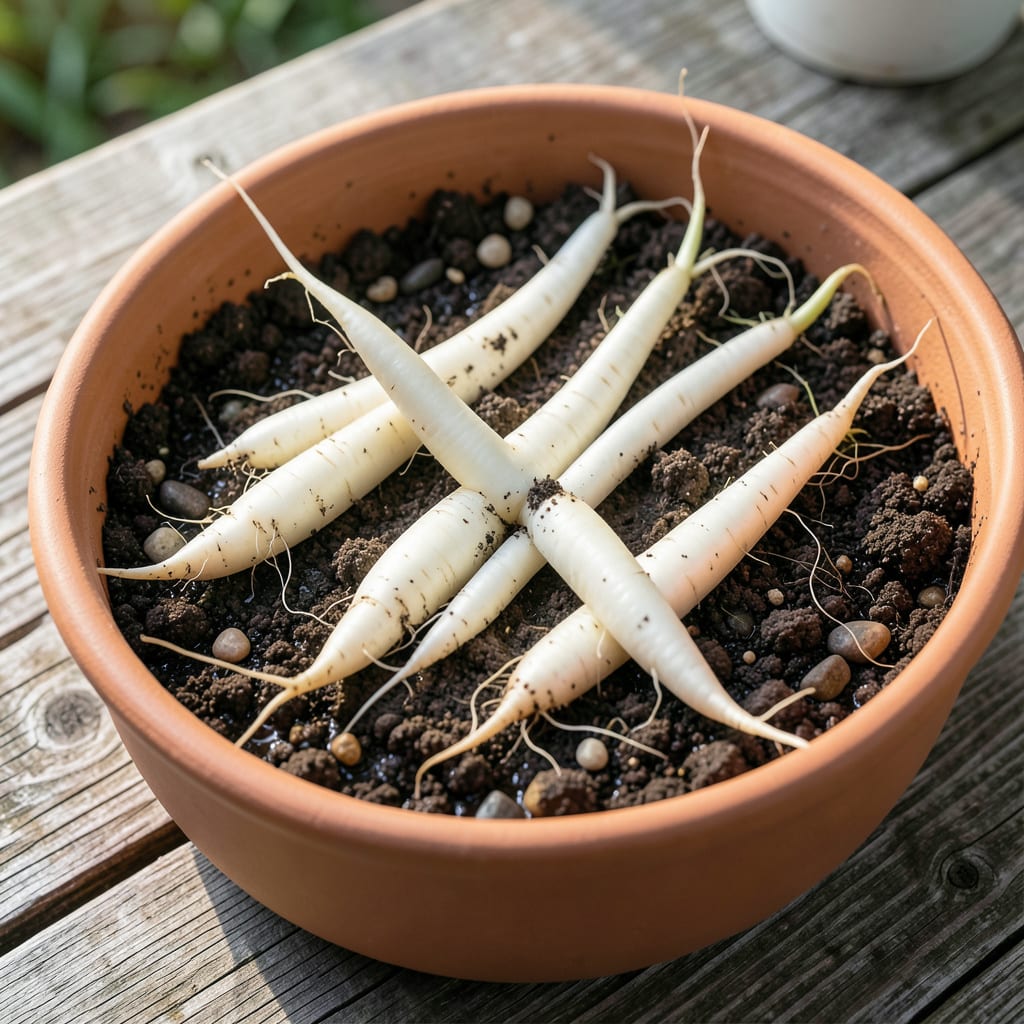
Spotted white roots in your soil and panicking? Don’t. I’ve seen this in my own garden, and most times, it’s not the disaster it looks like.
Some white roots are actually beneficial mycorrhizal fungi, working with your plants. But if they’re slimy or smell bad, you’re likely dealing with root rot from overwatering or poor drainage.
Fix it fast by checking moisture levels, improving airflow, and adjusting your watering schedule. Healthy roots should bounce back in 1-2 weeks.
Early action saves plants. Here’s how to tell the difference and what to do next.
White roots in soil often signal underlying issues that disrupt normal plant health. Below are the most common causes, explained with actionable insights.
Pathogenic fungi like Fusarium or Phytophthora can colonize roots, turning them white or pale as they attack the vascular system. These fungi thrive in overly moist, poorly drained soil, especially in warm climates. Spore spread is rapid in crowded plantings or reused potting mixes. Solution: Improve drainage and use fungicide-treated soil or beneficial microbes like Trichoderma to outcompete pathogens.
Excess water displaces oxygen in the soil, suffocating roots and halting nutrient uptake. Roots may turn white as they weaken and die back. This is common in heavy clay soils or containers without drainage holes. Solution: Allow the top 1–2 inches of soil to dry between waterings and amend soil with perlite or sand to boost aeration.
A lack of essential nutrients, particularly magnesium or iron, can bleach roots white. These deficiencies often occur in alkaline soils (pH > 7.5), where nutrients become chemically locked out. Solution: Test soil pH and amend with organic matter (e.g., compost) or chelated fertilizers to restore balance.
Root-feeding pests like nematodes, grubs, or maggots can damage root tissues, leading to discoloration. Infested roots may appear white, swollen, or galled. Solution: Introduce beneficial nematodes (Steinernema spp.) or neem cake to deter pests naturally. Rotate crops to break pest life cycles.
White roots in soil often signal fungal infections, overwatering, or poor drainage. Here’s how to tackle each issue effectively:
Fix: Treat the soil with a natural fungicide like neem oil or a baking soda solution (1 tbsp baking soda + 1 gallon of water). Remove heavily infected plants to prevent spread. Replant in fresh, sterilized soil.
Prevention: 💡 Avoid overcrowding plants and ensure good air circulation. Use well-draining soil and avoid excess moisture.
Fix: Let the soil dry out completely before watering again. Check moisture levels by sticking your finger 1-2 inches into the soil—if it’s damp, hold off on watering.
Prevention: 🎯 Use pots with drainage holes and a well-draining potting mix. Water only when the topsoil feels dry.
Fix: Repot the plant in a container with drainage holes. Add perlite or sand to the soil mix to improve drainage. If in the ground, amend the soil with organic matter like compost.
Prevention: ✨ Always choose containers with drainage and avoid compacted soil. Raise garden beds if drainage is an issue in your yard.
Fix: Move potted plants to a location with stable temperatures, away from drafts or direct heat sources. For outdoor plants, use mulch to insulate roots.
Prevention: 🌡️ Monitor weather forecasts and protect plants from extreme temperature swings.
Not always! Healthy white roots can mean new growth or beneficial mycorrhizal fungi. Check for slimy texture or foul odor—those signal root rot.
Fungal roots often look fuzzy or have white lesions. Test by gently pulling a root—if it snaps easily, it’s likely infected. Treat with neem oil or fungicide.
Mix in perlite or coarse sand to heavy soil. For containers, ensure drainage holes aren’t clogged. Healthy roots need airflow!
If caught early, plants recover in 1-2 weeks after adjusting watering. Chronic overwatering can kill roots, so act fast to save your plant.
