
Beautiful Plants For Your Interior
Beautiful Plants For Your Interior
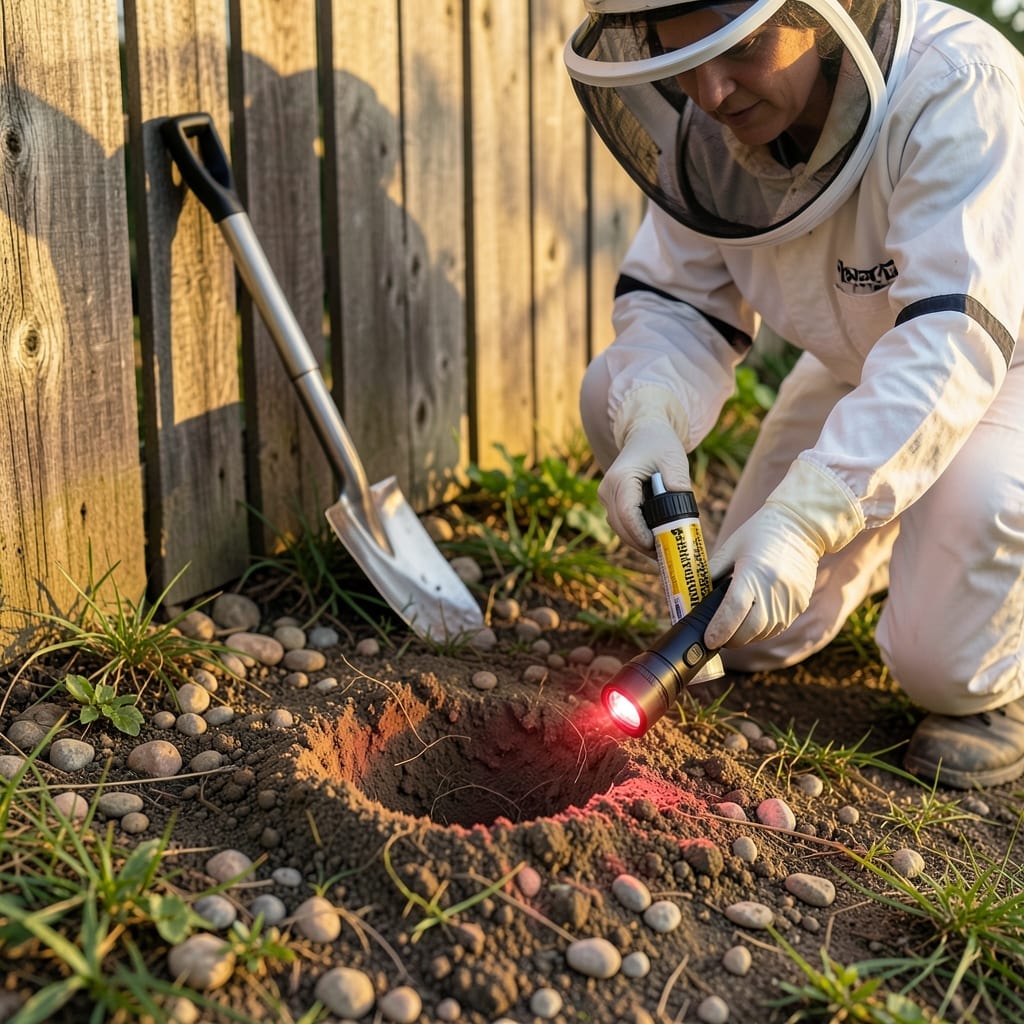
I spotted my first ground nest after stepping too close and hearing that unmistakable buzz. Yellow jackets in the soil aren’t just annoying—they’re a hazard to pets, kids, and anyone working in the garden.
Here’s the thing—most store-bought sprays only make them angrier. The trick is treating at dusk when they’re less active, using a method that reaches the heart of the nest without stirring up the colony.
You’ll reclaim your garden space within 24-48 hours, and the peace of mind is immediate. No more avoiding that corner of the yard or worrying about sudden attacks while weeding.
Between you and me, prevention starts with keeping food sources sealed and monitoring for early activity. A little vigilance saves a lot of stings.
Understanding why yellow jackets choose to build their nests in the ground can help you prevent future infestations. These aggressive wasps are drawn to subterranean environments for several key reasons, rooted in biology and behavior.
Yellow jackets prefer underground nesting because it offers natural insulation from extreme temperatures. The soil acts as a buffer, keeping the nest warm in winter and cool in summer. Additionally, buried nests are less visible to predators like birds, raccoons, or skunks, increasing the colony’s survival rate.
Ground-nesting yellow jackets often establish colonies near abundant food supplies. They are scavengers, feeding on proteins (insects, carrion) and carbohydrates (nectar, human food). Lawns, gardens, or picnic areas provide easy access to these resources, making underground nesting an efficient choice.
These wasps rarely dig their own tunnels. Instead, they repurpose abandoned burrows from rodents, moles, or other animals. This saves energy and time, allowing the queen to focus on laying eggs and growing the colony. If your yard has old animal holes, it’s a prime target for yellow jacket colonization.
Yellow jackets favor well-drained, loose soil that’s easy to excavate. Moderately moist environments also help maintain the nest’s structural integrity. Overly wet or compacted soil is less appealing, as it can flood the nest or make expansion difficult.
By addressing these factors—such as sealing old burrows, reducing food attractants, or modifying soil conditions—you can make your property less inviting to these stinging pests.
Dealing with a ground-nesting yellow jacket colony requires caution, but these targeted solutions will help you reclaim your yard safely.
Mix 1–2 tablespoons of dish soap into a spray bottle filled with water. At dusk or night (when yellow jackets are less active), drench the nest entrance. The soap breaks down their exoskeletons, suffocating the colony within hours. Wear protective clothing and stand back to avoid stings.
Set up commercial or DIY traps (sweet liquid + protein bait) away from high-traffic areas to lure and drown foragers. This won’t eliminate the nest but reduces activity. Empty traps weekly to prevent attracting more wasps.
Use pesticide dust labeled for ground-nesting wasps (e.g., delta dust). Wear a beekeeping suit or thick layers, and puff the dust into the nest entrance at night. Seal the hole with a rock or board afterward. Reapply after 2–3 days if activity persists.
⚠️ Never pour gasoline or set fires—these methods are illegal, dangerous, and ineffective. If the nest is large or hard to reach, call a pest control professional.
No, always wait until dusk or night when yellow jackets are less active. Daytime treatment can provoke aggressive behavior and increase sting risk.
Most methods like soap spray or dust insecticide take 24-48 hours to fully eliminate the colony. Avoid the area until you’re certain all activity has stopped.
No, they’ll simply dig their way out. Use a targeted treatment first, then seal the entrance after confirming the colony is gone.
Seal food sources, fill abandoned burrows, and inspect your yard regularly in early summer before colonies grow large.