
Beautiful Plants For Your Interior
Beautiful Plants For Your Interior
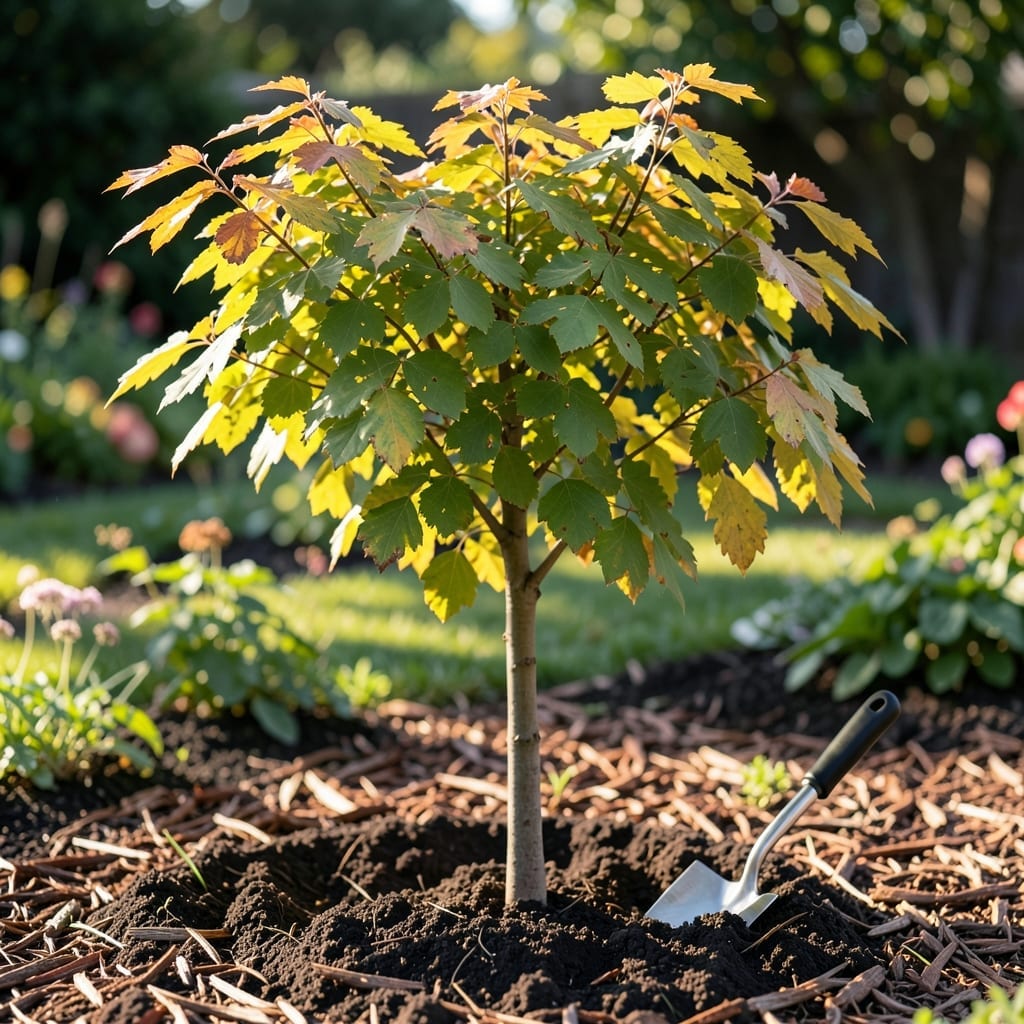
Overwatering shows up first in drooping leaves and yellowing foliage. I’ve rescued dozens of trees by catching the signs early—before root rot sets in and the damage becomes irreversible.
The solution starts with stopping all water immediately and letting the soil dry to a 2-3 inch depth. Most people panic and add more water, but the roots need air, not moisture, to recover.
You’ll see improvement within 1-2 weeks as the roots regain their footing. The tree will perk up, new growth will resume, and the soil will return to a healthy balance.
Works for any tree species, from maples to fruit-bearing varieties. This method saves time, money, and the heartbreak of losing a mature plant.
Overwatering doesn’t just drown a tree—it disrupts the delicate balance of its root system and surrounding soil. Here’s why it happens, broken down by the most common causes:
When soil lacks proper drainage (e.g., clay-heavy or compacted soil), water pools around the roots instead of moving through the profile. This suffocates the roots by displacing oxygen, which is critical for aerobic respiration. Without oxygen, root cells die, leading to rot. Actionable fix: Test drainage by digging a 1-foot hole—if water remains after 24 hours, amend with sand or organic matter.
Many gardeners assume more water equals healthier growth, but trees need consistent moisture, not saturation. Frequent shallow watering (e.g., daily light sprinkles) encourages weak, shallow roots that can’t tolerate drought or excess. Deep, infrequent watering (1–2 times weekly) trains roots to grow downward. Pro tip: Use a moisture meter to water only when the top 2–3 inches of soil are dry.
Heavy rainfall, poor slope grading, or high water tables can overwhelm a tree’s root zone. In these cases, the problem isn’t just the gardener—it’s the site conditions. Trees in low-lying areas or near downspouts are especially vulnerable. Actionable fix: Redirect runoff with swales or install a French drain to prevent waterlogging.
Stagnant water creates a breeding ground for fungal pathogens like Phytophthora and Pythium, which attack stressed roots. These microbes thrive in anaerobic (oxygen-deprived) soil, accelerating decay. Warning sign: Yellowing leaves, wilting, or a foul odor from the soil. Fix: Improve drainage and treat with fungicides if infection is confirmed.
Reviving an overwatered tree starts with quick, targeted action. Here’s how to tackle the most common issues and prevent future problems:
If the roots are soggy or smelly, stop watering immediately. Dig a small trench around the tree’s base to help excess water drain away. For potted trees, tip the pot sideways to let water escape, then place it in a dry, sunny spot. Prevention tip: 💡 Always use pots with drainage holes and mix in perlite or sand to boost soil aeration.
Yellow leaves often signal overwatering. Check the soil by inserting your finger 2 inches deep—if it’s damp, hold off on watering. Let the top 1-2 inches of soil dry out before watering again. Prevention tip: 🌡️ Use a moisture meter to take the guesswork out of watering schedules.
White or black mold on the soil or trunk means fungus is thriving. Remove infected soil and replace it with fresh, dry mix. Apply a natural fungicide like neem oil or hydrogen peroxide solution (1 part peroxide to 4 parts water). Prevention tip: ✨ Avoid overhead watering to keep foliage dry and reduce fungal spread.
Stunted growth may indicate waterlogged roots. Trim any black, mushy roots with sterilized pruners, then repot the tree in fresh, well-draining soil. For outdoor trees, loosen the soil around the base to improve airflow. Prevention tip: 🎯 Mulch with bark or straw to retain moisture without suffocating roots.
Act fast, and your tree can bounce back stronger than ever!
Most trees show improvement within 1-2 weeks after stopping water and letting soil dry. Severe cases with root rot may take 3-4 weeks to fully bounce back.
Only repot if the soil smells foul or roots are mushy. Otherwise, let it dry in its current container first. Use fresh, well-draining mix when repotting.
Yes! A gentle fan on low setting helps evaporate moisture faster. Keep it 2-3 feet away to avoid stressing the tree. Avoid direct, strong airflow.
This often signals severe stress. Stop all water, check roots for rot, and trim damaged foliage. Recovery may take longer but is still possible.