
Beautiful Plants For Your Interior
Beautiful Plants For Your Interior
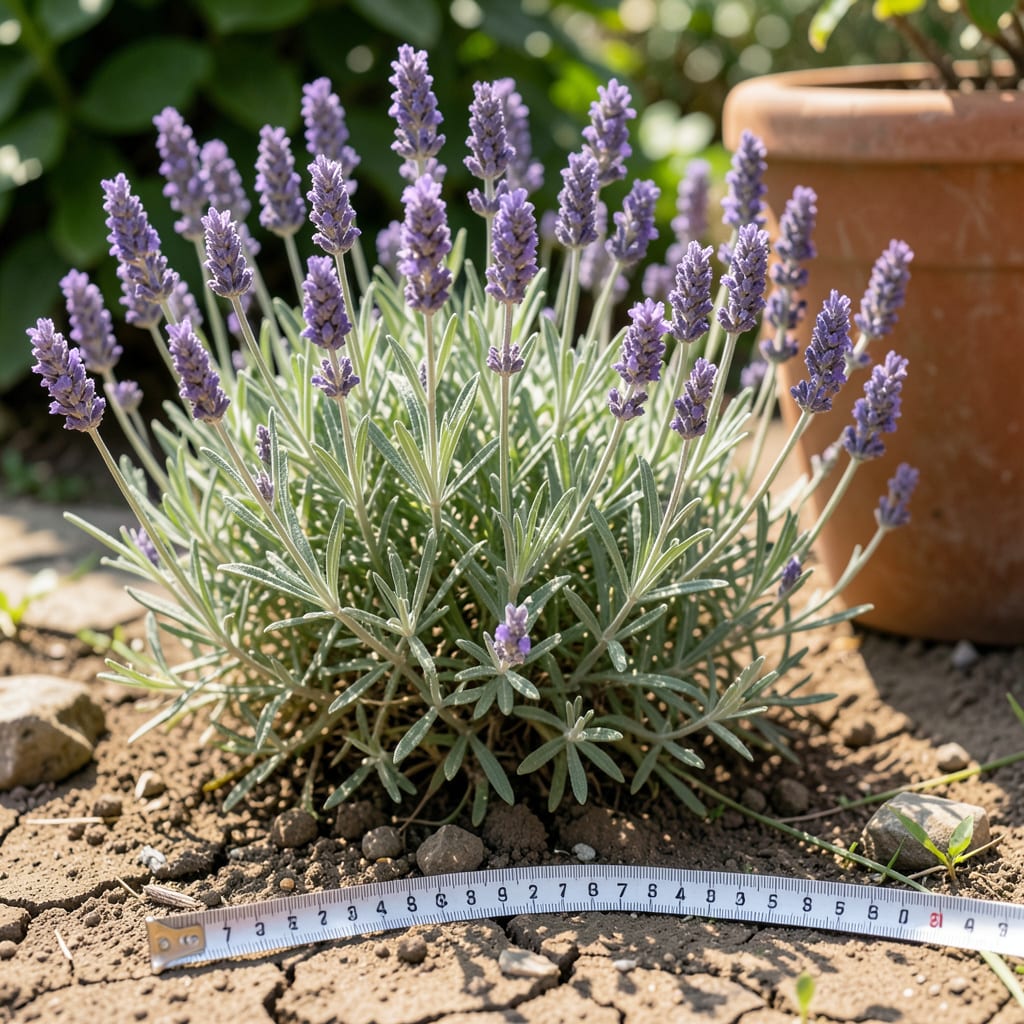
When planting 🌿 Lavender, one of the first questions is: how tall will it grow? In USDA Zone 6, you can expect varying heights depending on the variety and growing conditions.
Understanding Lavender’s growth patterns helps with garden planning. Let’s explore what influences its height and what you can expect from different varieties.


Understanding what influences Lavender’s height is crucial for garden planning. The height of Lavender plants can vary significantly based on several key factors.
These factors include the specific variety of Lavender, the growing conditions, and the care practices employed. Let’s explore these factors in more detail to better understand how they impact Lavender height.
The variety of Lavender is a primary factor in determining its height. Different varieties have been bred for various characteristics, including height, flower color, and fragrance.
Growing conditions also play a significant role. Lavender requires full sun and well-drained soil to thrive. Poor soil quality or inadequate sunlight can limit its growth potential.
Care practices such as pruning and watering are crucial. Regular pruning can help maintain a desired height, and watering habits can affect the plant’s overall health and size.
By understanding these factors, gardeners can better predict and manage the height of their Lavender plants, ensuring they fit well within their garden design.
Lavender is known for its relatively compact growth, but the exact height can vary. Factors such as soil quality, sunlight exposure, and pruning practices all contribute to the final height of the plant.
For gardeners, knowing these details helps in planning and maintaining a beautiful and functional garden space. Whether you’re growing Lavender for its beauty, fragrance, or culinary uses, understanding its growth patterns is essential.
Let’s consider how different varieties of Lavender can affect the overall height and appearance of your garden. Different varieties offer different growth characteristics, including varying heights.
By selecting the right variety and providing appropriate care, you can enjoy the many benefits of Lavender in your garden. This includes its attractive foliage, fragrant flowers, and low-maintenance requirements.
In summary, the height of Lavender plants is influenced by a combination of the variety, growing conditions, and care practices. By understanding and managing these factors, gardeners can optimize the growth and appearance of their Lavender.
Gardening with Lavender can be a rewarding experience, offering beauty and fragrance with relatively little maintenance. By paying attention to the factors that affect Lavender height, you can create a thriving and attractive garden.
Different Lavender varieties have distinct height expectations that gardeners should consider when planning their garden. The height of Lavender plants can significantly vary based on the specific variety.
Understanding these differences is crucial for achieving the desired garden design and ensuring that the plants have enough space to grow. Let’s explore the height expectations for some popular Lavender varieties.
The height of Lavender plants is an important consideration for garden design. Different varieties offer different growth habits and heights, allowing gardeners to choose the best fit for their needs.
English Lavender is known for its compact growth, typically reaching heights of 1-2 feet. This makes it an excellent choice for borders or containers where space is limited.
French Lavender, on the other hand, can grow taller, reaching heights of 2-3 feet. It has an upright growth habit and may require occasional pruning to maintain its shape.
Spanish Lavender also grows to 2-3 feet and is characterized by its bushy growth and prominent bracts. It’s a great choice for adding visual interest to the garden.
By understanding the height expectations of different Lavender varieties, gardeners can make informed decisions about which plants to include in their garden design. This helps ensure a harmonious and visually appealing garden.
When selecting Lavender for your garden, consider not only the height but also the growth habit and overall appearance of the plant. This will help you create a balanced and attractive garden space.
Gardening with Lavender offers numerous benefits, including its beauty, fragrance, and low-maintenance requirements. By choosing the right variety and understanding its growth patterns, you can enjoy these benefits to the fullest.
When growing Lavender, managing its height is crucial for maintaining a beautiful and functional garden design. Proper care practices can help control the height of Lavender plants and ensure they fit well within your garden.
One effective way to manage Lavender height is through regular pruning. Pruning not only helps maintain a desired height but also promotes healthy growth and encourages more blooms.
Prune Lavender in early spring to maintain shape and promote new growth. Remove dead stems and shape the plant to encourage bushy growth 🌿
Pruning techniques vary depending on the Lavender variety, but generally involve cutting back the plant after it finishes blooming. This helps maintain a compact shape and encourages new growth.
Spacing considerations are also important when planting Lavender. Proper spacing allows for good air circulation, which can help prevent disease and promote healthy growth.
In addition to pruning and spacing, other maintenance tips can help control Lavender height. These include ensuring the plants receive full sun and are grown in well-drained soil.
By following these care practices, gardeners can effectively manage the height of their Lavender plants and create a beautiful and functional garden design. Whether you’re growing Lavender for its beauty, fragrance, or culinary uses, proper care is essential.
Regular maintenance not only helps control Lavender height but also promotes overall plant health. This includes monitoring for pests, ensuring proper watering, and fertilizing lightly as needed.
With the right care practices, Lavender can be a stunning addition to any garden. By understanding how to manage its height, you can enjoy the many benefits of this versatile and attractive plant.
Lavender plants typically grow between 1-3 feet tall, depending on the variety and growing conditions. Some compact varieties like English Lavender reach 1-2 feet, while others like French Lavender can grow up to 2-3 feet tall. Proper pruning helps maintain desired heights.
Regular pruning is essential for controlling Lavender height and promoting healthy growth. Prune in early spring, removing dead stems and shaping the plant to encourage bushy growth. This helps maintain a compact shape and can reduce height by 6-12 inches if needed.
Yes, proper spacing helps control Lavender height indirectly by promoting healthy growth. Space plants 12-18 inches apart to allow for good air circulation, which helps prevent disease and encourages compact growth. Proper spacing is key to maintaining plant health.
Lavender typically reaches its mature height within 2-3 years. While it may continue to grow slightly, regular pruning keeps the plant compact and prevents excessive height. Without pruning, Lavender can become leggy and lose its shape over time.
