
Beautiful Plants For Your Interior
Beautiful Plants For Your Interior
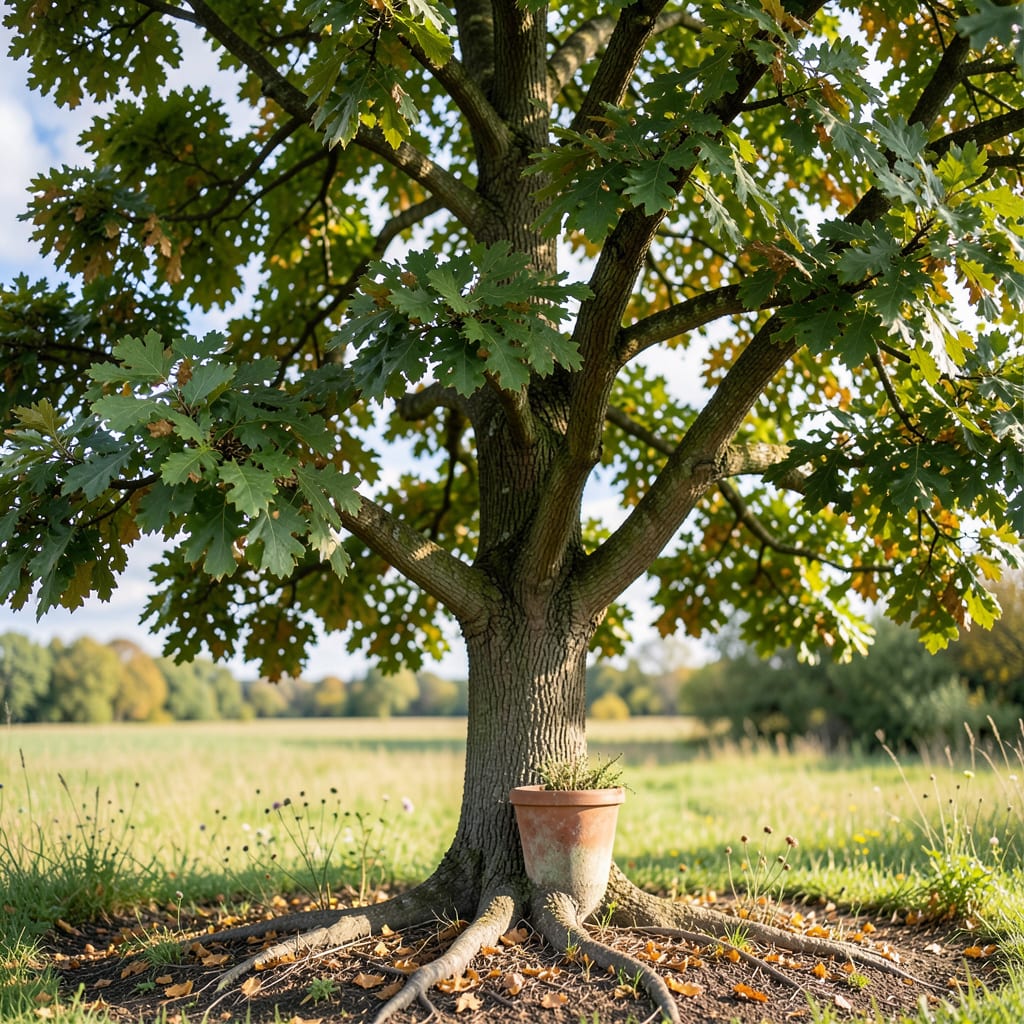
I’ve always been fascinated by the majestic Oak Tree 🌳, which can grow to incredible heights. Understanding their growth habits is essential for gardeners and landscapers to plan their spaces effectively.
Let’s explore the factors that influence how tall Oak Trees can grow, from species to environmental conditions, and discover what you can expect from these magnificent trees in your landscape.

I’ve found that several key factors influence how tall oak trees can grow. The species of oak tree is perhaps the most significant factor, as different species have varying growth patterns and maximum heights 🌳.
Other important factors include soil quality, climate conditions, and available space. Understanding these elements can help you better predict and manage the height of your oak trees.
The species of oak tree plays a significant role in determining its maximum height. Some species, like the White Oak, can grow taller than others, such as the Live Oak. 🌱
Soil quality is another critical factor. Oak trees thrive in nutrient-rich soil with good drainage, which supports healthier growth and can lead to taller trees.
Climate conditions, including temperature, rainfall, and sunlight exposure, also affect how tall oak trees can grow. Favorable climate conditions can promote faster and taller growth.
Available space is essential for oak trees to reach their full height potential. Trees need room for their roots to develop and their canopy to expand without obstruction.
In addition to these factors, proper care and maintenance can also influence the height of oak trees. Regular pruning and fertilization can help promote healthy growth.
It’s also worth noting that younger oak trees tend to grow faster than older ones. As trees mature, their growth rate typically slows down.
Environmental factors such as pollution and soil compaction can negatively impact oak tree growth, potentially limiting their height.
By understanding these factors, you can better manage the growth of your oak trees and create an optimal environment for them to thrive.
For more specific guidance on managing oak tree height, consider consulting with a professional arborist or landscaper who can provide tailored advice based on your specific conditions and needs.
Overall, the height of oak trees is influenced by a combination of genetic and environmental factors, making each tree unique in its growth pattern and maximum height potential.
By considering these factors and providing appropriate care, you can help your oak trees reach their full potential and enjoy their beauty for years to come 🌳.
I find it fascinating to explore the various oak tree species and their maximum heights. Different species have unique growth patterns and can reach varying heights 🌳.
Let’s examine some common oak tree species and their typical height ranges to understand how tall oak trees can grow.
The White Oak is known for its impressive height, often reaching 60 to 80 feet on average, with some specimens growing up to 100 feet tall. This makes it one of the taller oak species 🌲.
In contrast, the Red Oak can grow even taller, with average heights ranging from 70 to 90 feet and maximum heights of up to 120 feet. Their growth rate is generally faster than that of the White Oak.
The Live Oak, while still a majestic tree, typically reaches lower heights, averaging 40 to 60 feet and maxing out at around 80 feet. However, its broad canopy can spread wide, making it a striking landscape feature 🌳.
When planting oak trees, it’s essential to consider the mature height of the species to ensure proper spacing and placement in your landscape.
Proper care, including regular watering and pruning, can help oak trees reach their full height potential.
Understanding the growth patterns of different oak species can help you make informed decisions when selecting trees for your garden or landscape.
By choosing the right oak tree species for your space and providing appropriate care, you can enjoy the beauty and benefits of these magnificent trees for years to come 🌳.
Managing the height of oak trees in landscaping requires careful planning and regular maintenance. I recommend considering the mature height of the tree when planting to ensure it has enough space to grow without becoming too large for the surrounding area 🌳.
Proper spacing is crucial when planting oak trees. Planting them too close together or to other structures can lead to competition for resources and potential damage as they mature.
Regular pruning during the dormant season can help control the height and shape of oak trees. Remove any dead or diseased branches to promote healthy growth.
Regular pruning is an effective way to manage the height of oak trees. Prune during the dormant season to minimize stress on the tree and reduce the risk of disease or pest infestation 🌲.
When pruning, focus on removing dead or diseased branches first. This not only helps maintain the tree’s health but also improves its overall appearance.
Thinning out the canopy can also help manage the tree’s height by allowing more sunlight to penetrate and reducing the weight of the branches.
In addition to pruning, proper care and maintenance are essential for managing oak tree height. This includes regular watering, especially during dry periods, and fertilization as needed.
It’s also important to monitor the tree for any signs of disease or pest infestation. Early detection and treatment can prevent significant damage and help maintain the tree’s health and growth.
By following these tips and providing regular care, you can effectively manage the height of your oak trees and enjoy their beauty for years to come 🌳.
For more specific guidance on managing oak tree height, consider consulting with a professional arborist or landscaper who can provide tailored advice based on your specific conditions and needs.
Oak trees typically take 50 to 100 years to reach their mature height, depending on the species and growing conditions. Some species, like the White Oak, can take even longer, up to 200 years, to reach their full potential. Proper care and maintenance can help them grow healthier and stronger.
Oak trees generally grow at a moderate rate, averaging 1 to 2 feet per year. However, this can vary depending on factors like soil quality, climate, and available space. Younger trees tend to grow faster than older ones.
Yes, regular pruning during the dormant season can help control the height and shape of oak trees. Focus on removing dead or diseased branches first, and consider thinning out the canopy to allow more sunlight to penetrate. This helps maintain the tree’s health and appearance.
Nutrient-rich soil with good drainage is essential for healthy oak tree growth. Soil quality directly impacts the tree’s ability to absorb water and nutrients, affecting its overall height and health. Regular soil testing can help identify nutrient deficiencies.
