
Beautiful Plants For Your Interior
Beautiful Plants For Your Interior
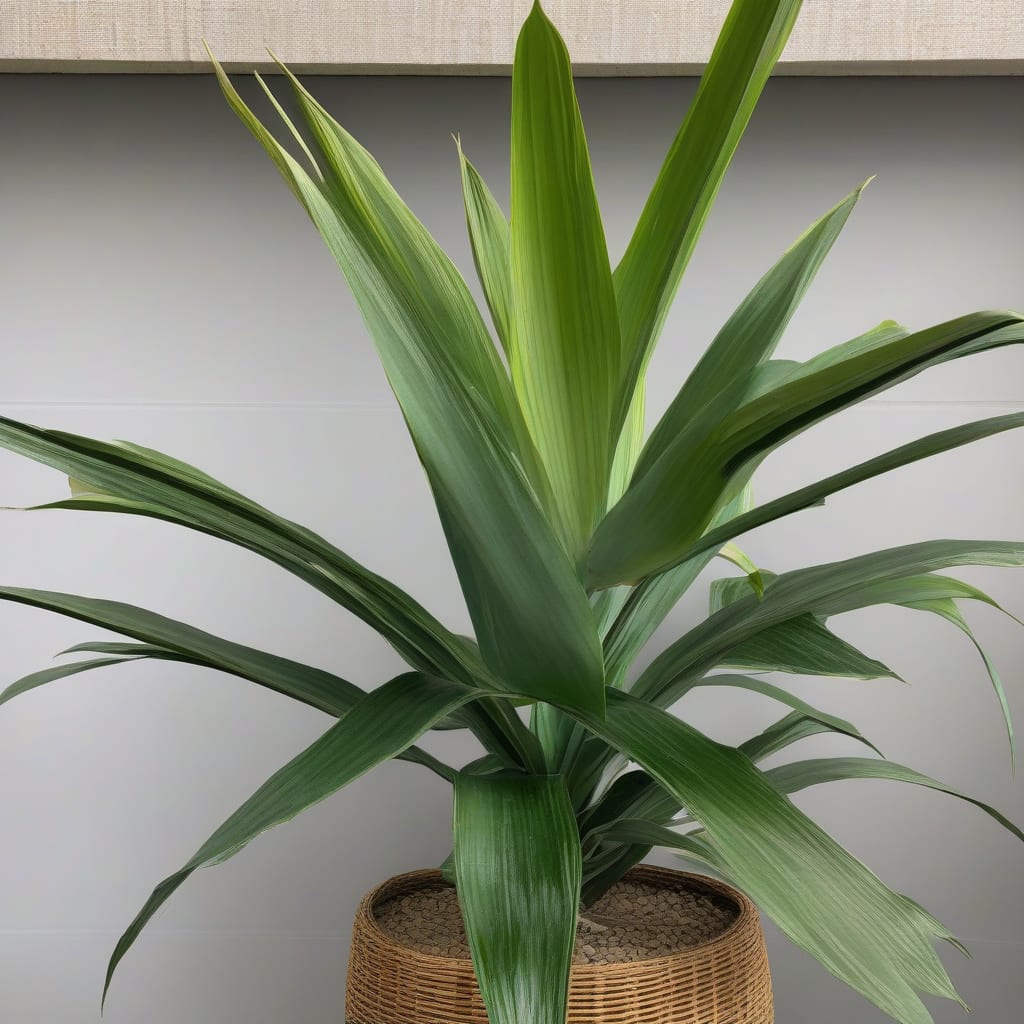
When I first planted my Yucca 🌵, I had no idea how tall it would grow. Now, after years of watching it thrive, I’ve learned that understanding its growth potential is crucial for proper care.
Yucca plants can grow anywhere from 3 to 15 feet tall, depending on the variety and growing conditions in your USDA Zone 6 garden. Let’s explore what affects their height and how to manage their growth.

Yucca plants are known for their dramatic, architectural presence in gardens, and their height can vary significantly depending on the species. Some compact varieties remain relatively small, while others can grow into impressive specimens.
The height of yucca plants is influenced by factors such as soil quality, sunlight, and watering conditions. Understanding these factors is crucial for gardeners who want to optimize the growth of their yucca plants.
The Yucca filamentosa, also known as Adam’s needle, typically grows to be around 2-4 feet tall. This compact variety is ideal for smaller gardens or containers.
In contrast, the Yucca brevifolia, commonly referred to as the Joshua tree, can reach heights of 30-40 feet in optimal conditions. This makes it a striking feature in larger landscapes.
Another popular variety is the Yucca gloriosa, or Spanish dagger, which usually grows to be around 6-8 feet tall. This makes it a popular choice for gardeners looking for a mid-sized yucca.
Understanding the mature height of different yucca species is essential for planning your garden layout. By choosing the right variety for your space, you can ensure that your yucca plants thrive and remain a beautiful part of your landscape.
Yucca plants are not only valued for their height but also for their architectural foliage and striking flower spikes. Their ability to grow in a variety of conditions makes them a versatile choice for many gardeners.
When selecting a yucca plant, consider the mature size of the variety to ensure it fits well in your garden. Proper placement will help you enjoy the full benefits of these dramatic and low-maintenance plants.
By understanding the growth potential of yucca plants, you can make informed decisions about their care and maintenance. This knowledge will help you create a beautiful and thriving garden that showcases these unique plants.
Yucca plants are a great addition to any garden, offering both visual interest and resilience in challenging conditions. Their varied heights and forms provide endless possibilities for creative landscaping.
When I consider growing yucca plants, I realize that their height is influenced by several key factors. Understanding these elements is crucial for gardeners who want to optimize their yucca’s growth 🌵.
The soil quality plays a significant role in determining how tall yucca plants will grow. Yucca plants thrive in well-draining soil, and poor drainage can lead to root rot, stunting their growth.
Soil quality, sunlight, watering, and maintenance practices all impact yucca height growth.
Sunlight is another critical factor. Yucca plants generally require full sun to grow well, and anything less than six hours of direct sunlight can result in weaker, less robust plants.
Watering practices also affect yucca height. Overwatering can be detrimental, causing root rot and stunted growth, while underwatering can slow growth but is generally less harmful.
The climate and temperature in your area will influence yucca growth as well. Yucca plants are typically hardy in USDA zones 6 through 11, and extreme temperatures can impact their growth patterns.
Fertilization can also play a role. While yucca plants don’t require a lot of fertilizer, providing them with a balanced, slow-release fertilizer during the growing season can promote healthy growth.
Finally, pruning and maintenance practices can influence the height of yucca plants. Regular pruning can help control the height and encourage a more robust, bushy growth pattern.
By understanding and managing these factors, gardeners can optimize the growth of their yucca plants and enjoy these striking, architectural additions to their landscapes.
Yucca plants are not just beautiful; they’re also low-maintenance and can thrive in challenging conditions, making them a great choice for many gardeners 🌿.
When it comes to managing yucca height, I’ve found that regular maintenance is key. Yucca plants can grow quite tall if left unchecked, so understanding how to prune and care for them is essential for maintaining their desired height 🌵.
Prune yucca plants in early spring to maintain shape and control height. Remove dead or damaged leaves to promote healthy growth.
The first step in managing yucca height is to understand when to prune. I recommend pruning in early spring, before new growth begins. This allows you to shape the plant and remove any dead or damaged leaves, promoting healthy growth throughout the season.
When pruning yucca plants, it’s essential to use the right techniques. Start by removing any dead or damaged leaves at the base of the plant. This not only improves the plant’s appearance but also helps prevent the spread of disease 🔍.
To control the height of your yucca, you can cut back the flower stalk after it has bloomed. This will encourage the plant to focus its energy on foliage growth rather than seed production.
Regular maintenance also includes checking for pests and diseases. Keep an eye out for signs of trouble, such as soft spots or discoloration on the leaves, and take action promptly if you notice any issues 🐜.
By following these pruning and maintenance tips, you can effectively manage the height of your yucca plants and keep them looking their best. Regular care will ensure that your yucca remains a beautiful and striking feature in your garden 🌿.
