
Beautiful Plants For Your Interior
Beautiful Plants For Your Interior
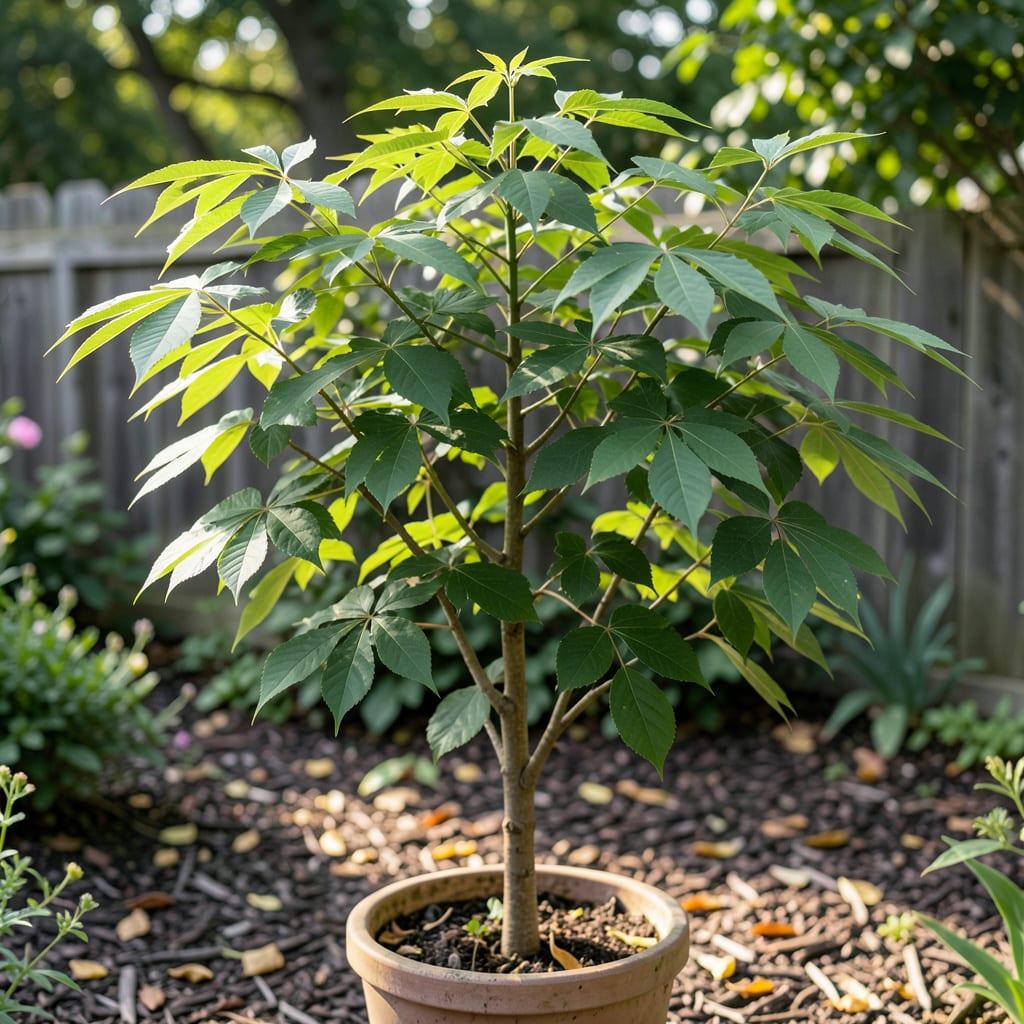
I’ve always been fascinated by the rapid growth of the Tree of Heaven 🌳, a tree that can quickly reach impressive heights. Native to China, this invasive species has naturalized in many regions.
The Tree of Heaven can grow between 40 to 70 feet tall, with some specimens reaching even higher in ideal conditions. Understanding its growth habits is crucial for effective management in various environments.

The Tree of Heaven (Ailanthus altissima) is known for its rapid growth and ability to reach impressive heights. This invasive species can grow between 40 to 70 feet tall, with some specimens reported to reach even higher in ideal conditions 🌳.
Understanding the maximum height potential of Tree of Heaven is crucial for managing its growth in various environments. Factors such as soil quality, sunlight exposure, and water availability can significantly influence the tree’s vertical growth.
The Tree of Heaven’s height is influenced by several factors, including soil conditions, available sunlight, and water supply. In optimal conditions, with full sun and adequate moisture, the tree can achieve its maximum growth potential.
Growth patterns of Tree of Heaven typically show rapid vertical growth in the first few years, followed by a gradual slowdown as the tree matures. This growth pattern is characteristic of many invasive tree species.
It’s worth noting that while Tree of Heaven can grow to significant heights, its height can be managed through regular pruning and maintenance. This is particularly important in urban and suburban areas where the tree’s invasive nature can lead to unwanted spread.
The maximum height potential of Tree of Heaven makes it a notable species in both natural and urban landscapes. Its ability to quickly reach tall heights can provide shade and act as a windbreak, but also poses challenges for property management 🌲.
For those dealing with Tree of Heaven on their property, understanding its growth habits is key to effective management. Regular monitoring and maintenance can help control its height and prevent unwanted spread.
In conclusion, the Tree of Heaven’s ability to grow between 40 to 70 feet tall makes it a significant presence in any landscape. Its rapid growth rate and potential maximum height are important factors to consider when managing this species.
By understanding the factors that influence its growth, property owners and landscapers can better manage Tree of Heaven and mitigate its invasive potential.
The height of Tree of Heaven is influenced by various environmental and management factors. Understanding these factors is crucial for effective management of this invasive species 🌳.
Several key factors affect the growth height of Tree of Heaven, including soil quality, sunlight exposure, and water availability. The tree thrives in a variety of soil conditions but grows best in well-drained soil with adequate nutrients.
By understanding and manipulating these factors, property owners and landscapers can influence the height of Tree of Heaven. Effective management strategies can help mitigate its invasive potential while achieving desired landscape outcomes 🌲.
Environmental conditions play a significant role in determining the tree’s height. Areas with ample sunlight and adequate water will typically see more vigorous growth.
In contrast, poor soil conditions or limited sunlight can restrict the tree’s growth potential. Recognizing these limitations is essential for realistic expectations about the tree’s height.
Regular monitoring and maintenance are crucial for managing Tree of Heaven’s height. This includes pruning to control vertical growth and prevent the tree from becoming too tall or spreading invasively.
For those dealing with Tree of Heaven, understanding the factors that influence its growth height is key to effective management. By adjusting environmental conditions and maintenance practices, it’s possible to influence the tree’s height and mitigate its invasive potential 🌱.
Effectively managing the height of Tree of Heaven requires a combination of proper maintenance techniques and understanding its growth patterns. Regular pruning is essential to control the tree’s height and prevent unwanted spread 🌱.
Prune Tree of Heaven regularly to maintain desired height and promote a more manageable tree size. Pruning is most effective when done during the dormant season to minimize stress on the tree.
One of the most effective methods for controlling Tree of Heaven’s height is through regular pruning. This involves removing the upper branches to limit the tree’s vertical growth. Pruning should be done carefully to avoid damaging the tree and to ensure that it remains healthy 🌲.
Pruning techniques can vary depending on the desired outcome. For height control, reducing the height of the tree by cutting back the main leader is effective. This encourages the tree to grow more laterally rather than vertically.
In addition to pruning, other maintenance practices can help manage Tree of Heaven’s height. Regular monitoring of the tree’s growth is crucial to catch any rapid growth early and address it before it becomes a problem.
Chemical control methods can also be used in conjunction with pruning for more effective management. Applying herbicides to cut stumps can prevent resprouting, helping to control the tree’s height and spread.
For property owners dealing with Tree of Heaven, understanding these management techniques is key to maintaining control over the tree’s height. By combining pruning, monitoring, and other maintenance practices, it’s possible to effectively manage Tree of Heaven and mitigate its invasive potential 🌳.
In conclusion, managing Tree of Heaven’s height requires a proactive approach that includes regular pruning and other maintenance practices. By understanding the tree’s growth patterns and applying appropriate control measures, property owners can effectively manage this invasive species.
The Tree of Heaven typically grows between 40 to 70 feet tall, with an average mature height of 50-60 feet. This makes it a significant presence in any landscape. Proper management is crucial to control its height and prevent unwanted spread .
Tree of Heaven is known for its rapid growth, especially in the first few years. It can grow 10 feet or more in a single year under optimal conditions. This rapid growth rate is one of the characteristics that make it both impressive and challenging to manage .
Yes, regular pruning is an effective way to control the height of Tree of Heaven. Pruning during the dormant season is recommended to minimize stress on the tree. This maintenance practice helps maintain a more manageable tree size and prevents unwanted spread .
Several factors affect the growth height of Tree of Heaven, including soil quality, sunlight exposure, and water availability. The tree thrives in well-drained soil with adequate nutrients and full sun. Understanding these factors is key to effective management .
