
Beautiful Plants For Your Interior
Beautiful Plants For Your Interior
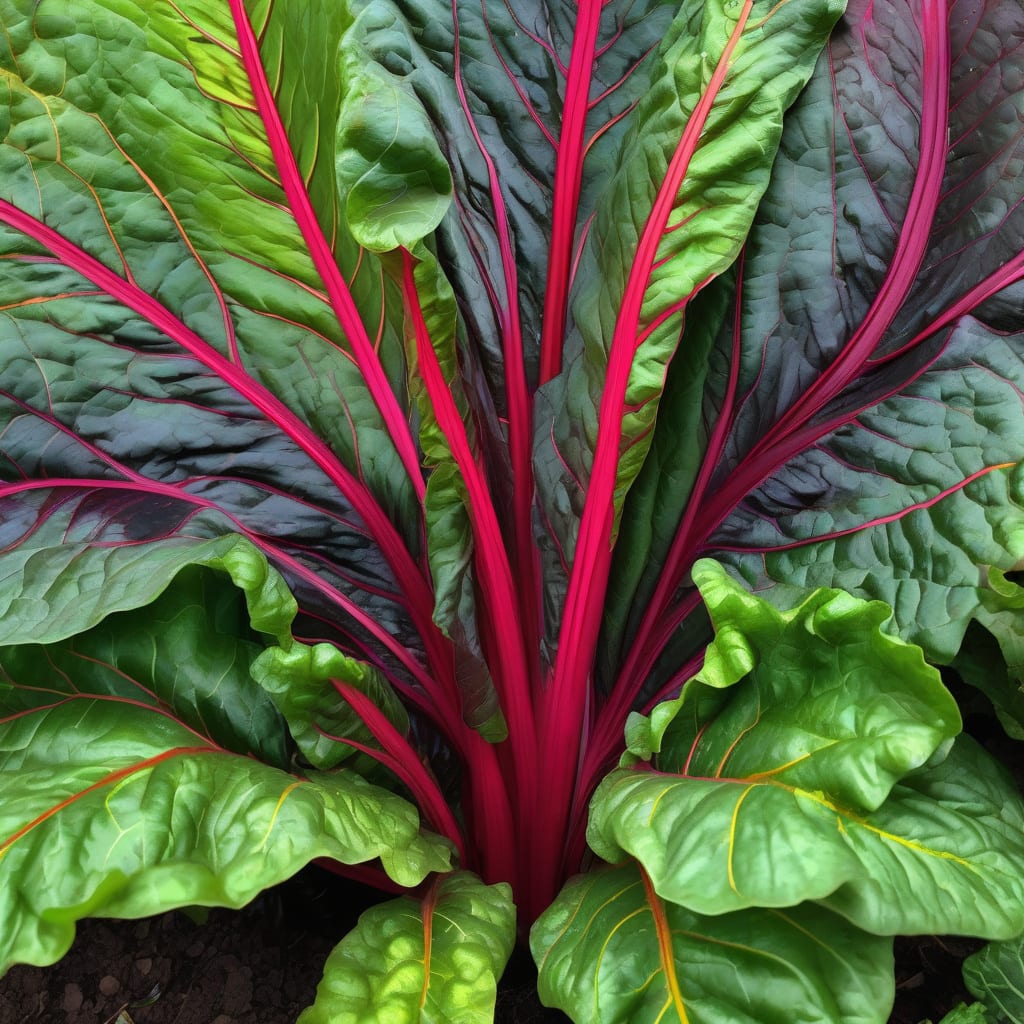
Swiss chard 🥬 is a versatile leafy green that adds both nutrition and visual appeal to any garden. Understanding its growth habits is key to successful cultivation, and I’m here to share the details you need to grow it successfully.
Swiss chard typically grows between 1-3 feet tall, depending on the variety and growing conditions in your USDA Zone 6 garden. With proper care, you can enjoy a bountiful harvest in as little as 60 days after sowing.


Swiss chard is a versatile leafy green that adds both nutrition and visual appeal to any garden. Understanding its growth habits is key to successful cultivation, and I’m here to share the details you need to grow it successfully.
Swiss chard typically grows between 1-3 feet tall, depending on the variety and growing conditions in your USDA Zone 6 garden. With proper care, you can enjoy a bountiful harvest in as little as 60 days after sowing 🌱.
The height of Swiss chard can vary based on several factors, including the specific variety, growing conditions, and care practices. Some compact varieties may remain under 1 foot tall, while larger cultivars can reach heights of up to 3 feet. The plant’s growth habit is generally upright, with leaves that can be harvested continuously throughout the growing season 🌿.
Swiss chard is a cool-season crop that thrives in temperate climates. It prefers well-draining soil rich in organic matter and full sun to partial shade. The ideal temperature for growth is between 60°F to 75°F (15°C to 24°C), making it an excellent choice for spring or fall gardens ❄️.
To achieve optimal height and productivity, Swiss chard requires consistent moisture and regular fertilization. A balanced fertilizer with an NPK ratio of 10-10-10 is recommended, applied every 2-3 weeks during the growing season. Proper spacing is also crucial, with plants typically spaced 6-8 inches apart in rows that are 12-18 inches apart 📏.
In addition to its nutritional value, Swiss chard is also prized for its ornamental qualities. The leaves come in a variety of colors, including green, red, and yellow, adding visual interest to the garden 🎨.
Swiss chard is a relatively low-maintenance crop that is resistant to many pests and diseases. However, it can be susceptible to issues such as leaf miners and bolting if not properly cared for. Regular monitoring and appropriate management practices can help prevent these problems and ensure a healthy, productive crop 🥗.
One of the benefits of growing Swiss chard is its ability to be harvested continuously. By regularly removing the outer leaves, you can encourage the plant to produce new growth, extending the harvest period 🔄.
Swiss chard can be grown in a variety of settings, from large gardens to small containers. Its adaptability and relatively compact size make it an excellent choice for gardeners with limited space 🏠.
In summary, Swiss chard is a versatile and productive leafy green that can add both nutrition and visual appeal to your garden. By understanding its growth habits and providing proper care, you can enjoy a bountiful harvest of delicious, healthy greens 🌼.
Swiss chard’s height and overall growth can be influenced by several key factors that gardeners should consider when cultivating this versatile leafy green. The variety of Swiss chard plays a significant role in determining its mature height, with some compact varieties remaining under 1 foot tall while larger cultivars can reach heights of up to 3 feet 🌱.
Growing conditions, particularly soil quality and sunlight exposure, also significantly impact Swiss chard’s growth. The plant thrives in well-draining soil rich in organic matter and performs best in full sun to partial shade. Adequate moisture and regular fertilization are crucial for achieving optimal height and productivity 🌿.
To maximize Swiss chard’s growth potential, ensure proper spacing, maintain consistent moisture, and fertilize regularly. These practices will help you achieve healthy, vigorous plants that reach their full height potential.
In addition to variety and growing conditions, cultivation practices such as spacing and watering also affect Swiss chard’s height. Plants should be spaced 6-8 inches apart in rows that are 12-18 inches apart to allow for proper air circulation and growth 📏.
Temperature is another critical factor in Swiss chard’s growth. The ideal temperature range for growth is between 60°F to 75°F (15°C to 24°C), making it an excellent choice for spring or fall gardens ❄️.
By understanding and optimizing these factors, gardeners can create ideal conditions for Swiss chard to thrive, achieving the desired height and enjoying a bountiful harvest of nutritious leaves 🌼.
Regular monitoring for pests and diseases is also essential to prevent issues that could impact Swiss chard’s growth. Common problems include leaf miners and bolting, which can be managed through appropriate gardening practices 🥗.
Swiss chard’s adaptability to various growing conditions makes it a versatile choice for gardeners. Whether grown in large gardens or small containers, Swiss chard can thrive with proper care 🏠.
In summary, the height and growth of Swiss chard are influenced by a combination of variety, growing conditions, and cultivation practices. By optimizing these factors, gardeners can enjoy a healthy and productive crop of this nutritious leafy green 🌻.
To achieve the best growth from your Swiss chard, it’s essential to understand the optimal growing conditions and care practices. Swiss chard is a cool-season crop that thrives in temperate climates, making it an excellent choice for spring or fall gardens 🌼.
One of the key factors in maximizing Swiss chard growth is proper spacing. Plants should be spaced 6-8 inches apart in rows that are 12-18 inches apart. This allows for adequate air circulation and room for growth 📏.
Water Swiss chard every 3-4 days, ensuring the soil remains consistently moist but not waterlogged 💧.
Apply a balanced fertilizer with an NPK ratio of 10-10-10 every 2-3 weeks during the growing season 🌿.
Regularly inspect your Swiss chard for signs of leaf miners and other pests, taking action promptly if necessary 🥗.
By following these expert tips, you can create an optimal growing environment for your Swiss chard, ensuring it reaches its full potential and provides a bountiful harvest 🌻.
Swiss chard is a versatile crop that can be grown in various settings, from large gardens to small containers. Its adaptability and relatively compact size make it an excellent choice for gardeners with limited space 🏠.
In summary, maximizing Swiss chard growth involves providing the right growing conditions, proper care, and regular maintenance. By understanding and implementing these strategies, you can enjoy a healthy and productive crop of this nutritious leafy green 🌼.
