
Beautiful Plants For Your Interior
Beautiful Plants For Your Interior
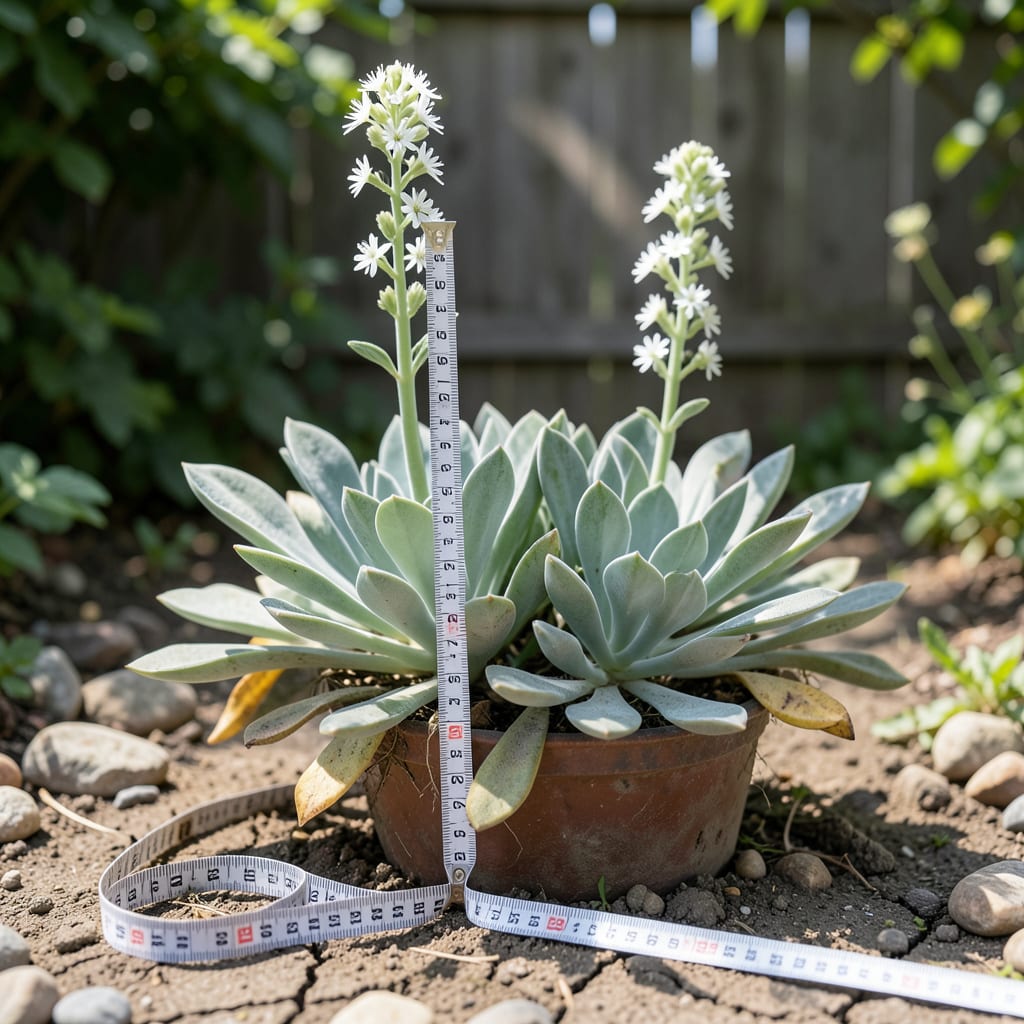
As I explore my garden, I’m always fascinated by the varying heights of my Stonecrop 🌵 plants. Growing Stonecrop can be a rewarding experience, but understanding its growth patterns is key to optimal placement.
In USDA Zone 6, Stonecrop typically grows between 0.2 to 1 foot tall, making it a great choice for ground cover or container gardens. Let’s dive into the factors that influence its height and how to care for it.

Stonecrop, a versatile succulent, comes in various species and cultivars that differ significantly in height. The height range can vary from 0.2 to 1 foot, making some varieties ideal for ground cover while others can serve as decorative accents in gardens 🌵.
To understand the growth heights of different Stonecrop varieties, let’s examine some common types. The summary-table below provides a quick overview of various Stonecrop species and their typical heights.
The height of Stonecrop plants is influenced by their specific variety. For instance, Sedum spurium is a low-growing variety that typically reaches 4-6 inches in height, making it perfect for ground cover or rock gardens.
In contrast, Sedum spectabile is a taller variety that can grow to be 18-24 inches tall. This variety is often used as a focal point in garden beds or borders.
Understanding the typical height of different Stonecrop varieties helps gardeners choose the right plants for their garden design and maintenance needs. By selecting the appropriate variety, gardeners can ensure their Stonecrop plants thrive and achieve their desired height 🌿.
When planning your garden, it’s essential to consider the mature height of your Stonecrop plants to ensure proper spacing and placement. This not only enhances the aesthetic appeal of your garden but also promotes healthy growth by preventing overcrowding.
Different Stonecrop species can be used creatively in garden design. For example, low-growing varieties can be used as a ground cover, while taller varieties can serve as border plants or focal points.
The growth habits of Stonecrop also make it an excellent choice for container gardens. By choosing the right variety and container size, gardeners can control the plant’s height and enjoy its beauty in a variety of settings.
Stonecrop’s drought tolerance and low maintenance requirements make it an attractive option for gardeners looking for easy-to-care-for plants. Its ability to thrive in poor soil and withstand neglect adds to its appeal.
In addition to their varying heights, Stonecrop plants are known for their beautiful flowers, which can add color and interest to gardens during the blooming season. The flowers can attract pollinators and add to the overall biodiversity of the garden.
To achieve the desired height and promote healthy growth, gardeners should provide Stonecrop with full sun and well-drained soil. Proper care, including occasional pruning, can help maintain the plant’s shape and encourage new growth.
By understanding the growth heights of different Stonecrop varieties and providing the right growing conditions, gardeners can enjoy these beautiful succulents in their gardens for years to come. Whether used as ground cover or as a statement piece, Stonecrop adds beauty and resilience to any garden design 🌻.
When growing Stonecrop, understanding the factors that influence its height is crucial for optimal garden design. The height of Stonecrop plants can be affected by various growing conditions and maintenance practices 🌵.
To help you better understand these factors, let’s examine some key points in the following key-takeaway box.
Soil quality, sunlight exposure, watering practices, and pruning techniques all play a role in determining the ultimate height of Stonecrop plants.
The quality of the soil is a significant factor in Stonecrop’s growth. Well-drained soil is essential, as Stonecrop is susceptible to root rot in moist environments. Soil with good drainage allows the roots to breathe and promotes healthy growth.
Sunlight exposure also impacts Stonecrop’s height. While Stonecrop prefers full sun, some varieties can tolerate partial shade. However, insufficient sunlight can lead to leggy growth, affecting the plant’s overall height and appearance 🌻.
Watering practices are another critical factor. Overwatering can cause root rot, stunting the plant’s growth, while underwatering can lead to stressed plants that may not reach their full height potential. Finding the right balance is key to promoting healthy growth.
Pruning techniques can also influence Stonecrop’s height. Regular pruning can help maintain the plant’s shape and encourage new growth. By removing dead or damaged leaves, gardeners can promote healthy growth and control the plant’s height.
In addition to these factors, fertilization can impact Stonecrop’s growth. Feeding Stonecrop with a balanced fertilizer during the growing season can provide essential nutrients for optimal growth.
By understanding and controlling these factors, gardeners can optimize the growth of their Stonecrop plants and achieve the desired height. Whether you’re looking to create a ground cover or a focal point in your garden, Stonecrop is a versatile and low-maintenance option 🌿.
To summarize, the height of Stonecrop plants is influenced by a combination of growing conditions and maintenance practices. By providing the right conditions and care, gardeners can enjoy these beautiful succulents in their gardens for years to come.
When incorporating Stonecrop into your garden design, managing its height is crucial for achieving the desired aesthetic and maintaining plant health 🌿.
To help you effectively manage Stonecrop height, let’s explore some practical tips in the following styled-list.
By implementing these strategies, you can effectively manage Stonecrop’s height and create a beautiful, balanced garden design 🌻.
Stonecrop’s versatility makes it an excellent choice for various garden designs, from ground cover to focal points. Its low maintenance requirements and drought tolerance add to its appeal.
When planning your garden, consider the mature height of your Stonecrop plants to ensure proper spacing and placement. This enhances the aesthetic appeal and promotes healthy growth by preventing overcrowding.
To achieve the desired height and promote healthy growth, provide Stonecrop with full sun and well-drained soil. Proper care, including occasional pruning, helps maintain the plant’s shape and encourages new growth 🌱.
By understanding how to manage Stonecrop height, you can enjoy these beautiful succulents in your garden for years to come, adding beauty and resilience to your garden design 🌼.
Stonecrop plants typically grow between 0.2 to 1 foot tall, depending on the variety. Some species, like Sedum spurium, remain low-growing at 4-6 inches, while others like Sedum spectabile can reach 18-24 inches in height. The height variation makes them suitable for different garden designs.
Growing conditions significantly impact Stonecrop height. Factors such as soil quality, sunlight exposure, and watering practices all play a role. Well-drained soil and full sun promote healthy growth, while overwatering can lead to root rot and stunted growth. Proper care helps achieve optimal height.
Yes, regular pruning can help control Stonecrop’s height and maintain its shape. Pruning encourages new growth and prevents the plant from becoming leggy. Remove dead or damaged leaves to promote healthy growth and achieve the desired height.
Absolutely! Stonecrop is an excellent choice for container gardens due to its versatility and low maintenance requirements. By choosing the right container size and variety, you can control the plant’s height and enjoy its beauty in various settings. It’s perfect for adding texture and interest to your garden or patio.
