
Beautiful Plants For Your Interior
Beautiful Plants For Your Interior
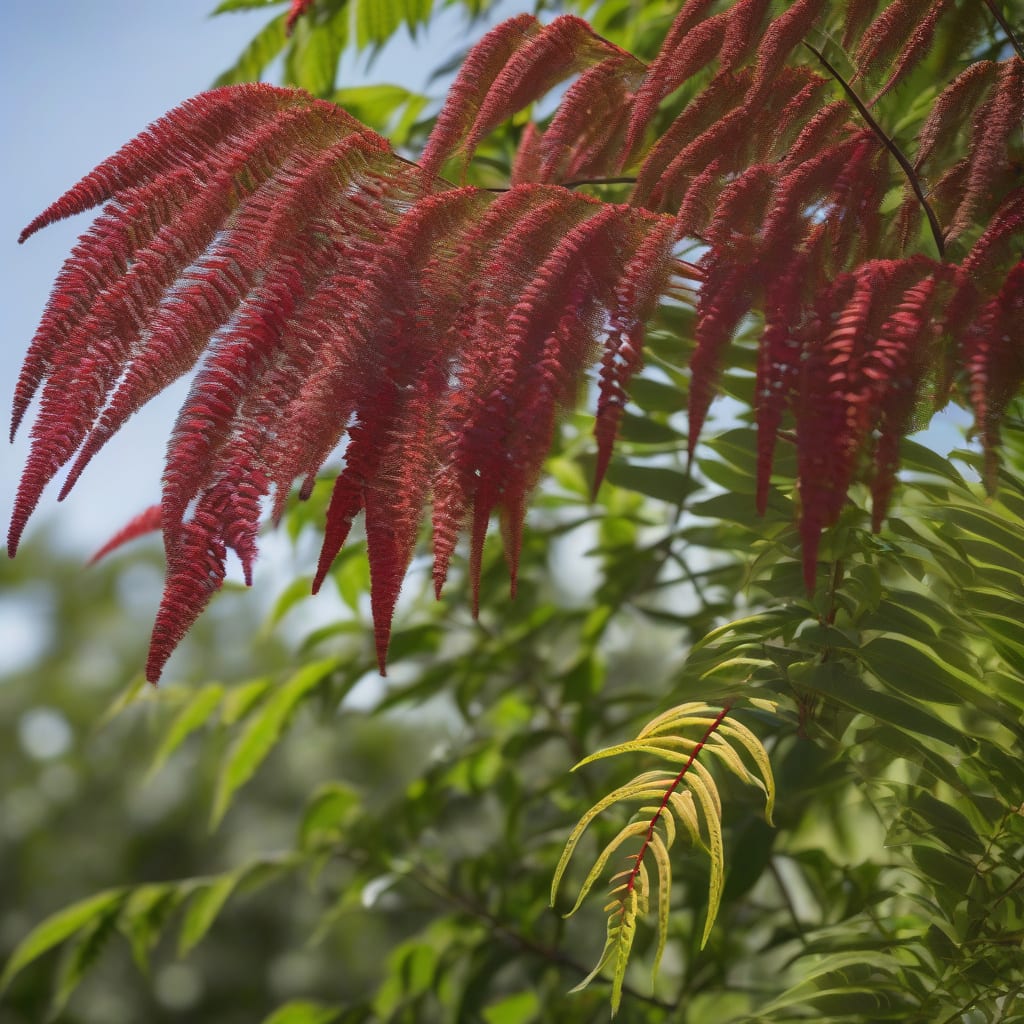
When considering Staghorn Sumac 🌿 for your landscape, understanding its growth potential is crucial. This native shrub can reach impressive heights, making it a striking addition to any garden.
Typically growing between 10-15 feet tall, Staghorn Sumac’s height can vary based on factors like soil quality and sunlight exposure. Let’s explore what you can expect from this beautiful plant.

Staghorn sumac is known for its impressive growth potential, typically reaching heights between 10-15 feet when mature. This native shrub can become a striking feature in any landscape design 🌿.
The height of staghorn sumac can vary based on several factors including soil quality, sunlight exposure, and moisture levels. Understanding these factors is crucial for managing expectations about the plant’s mature size.
The mature height of staghorn sumac is influenced by various environmental factors. In optimal conditions, with full sun and well-draining soil, these plants can reach their maximum potential height.
Young staghorn sumac plants typically start at 2-3 feet in the first year and can grow 2-4 feet per year under ideal conditions. This rapid growth rate makes them an excellent choice for creating natural screens or hedges.
Soil quality plays a significant role in determining the height of staghorn sumac. Well-draining soils with adequate nutrients support healthier and growth. In contrast, poor drainage can lead to root issues that may stunt the plant’s growth.
Sunlight exposure is another critical factor affecting staghorn sumac’s height. These plants thrive in full sun to partial shade, requiring at least 6 hours of direct sunlight daily for optimal growth.
While staghorn sumac can tolerate some drought, consistent moisture during the growing season promotes better height development. However, they are generally drought-tolerant once established.
Pruning practices can also influence the final height of staghorn sumac. Regular pruning can help maintain a desired height and promote a more compact growth habit.
In landscape designs, understanding the potential height of staghorn sumac is essential for proper placement. These plants can create natural screens or serve as specimen plants in larger gardens.
It’s worth noting that staghorn sumac’s height can vary slightly depending on the specific growing conditions and cultivar. However, 10-15 feet remains the standard height range for most mature plants.
For gardeners and landscapers, knowing the expected height of staghorn sumac helps in planning long-term landscape designs. These plants can add significant vertical interest to garden spaces 🌿.
In summary, staghorn sumac typically grows between 10-15 feet tall, with its height influenced by factors such as soil quality, sunlight, and moisture levels. Proper care and maintenance can help these plants reach their full growth potential.
Understanding the factors that influence Staghorn Sumac’s height is crucial for effective landscape planning. The plant’s growth is affected by various environmental and cultural conditions 🌿.
Soil quality plays a significant role in determining Staghorn Sumac’s height. The plant thrives in well-draining soils with adequate nutrient content. Poor drainage can lead to root issues that may stunt the plant’s growth.
Soil quality, sunlight exposure, moisture levels, and pruning practices all impact Staghorn Sumac’s height development.
Sunlight exposure is another critical factor. Staghorn Sumac thrives in full sun to partial shade, requiring at least 6 hours of direct sunlight daily for optimal growth.
Moisture levels also affect the plant’s height. While Staghorn Sumac can tolerate some drought, consistent moisture during the growing season promotes better height development.
Pruning practices are essential for managing the plant’s height. Regular pruning can help maintain a desired height and promote a more compact growth habit.
By understanding and managing these factors, gardeners and landscapers can optimize Staghorn Sumac’s growth and achieve the desired height in their landscape designs 🌿.
In summary, multiple factors influence Staghorn Sumac’s height development, including soil quality, sunlight exposure, moisture levels, and pruning practices. Proper care and maintenance are key to achieving the plant’s full growth potential.
When incorporating Staghorn Sumac into landscape designs, managing its height is crucial for achieving the desired aesthetic and functional goals 🌿.
One effective method for controlling Staghorn Sumac’s height is through regular pruning techniques. Pruning not only helps maintain a desired height but also promotes a more compact and dense growth habit.
Prune Staghorn Sumac in late winter or early spring to maintain shape and control height.
Pruning strategies can vary based on the desired outcome. For maintaining a specific height, selective pruning of the tallest branches is effective.
The planting location also plays a significant role in managing Staghorn Sumac’s height. Choosing a location that matches the plant’s growth potential ensures a balanced landscape design.
Growth management strategies are essential for long-term landscape planning. Regular monitoring of the plant’s growth allows for timely interventions to maintain the desired height 🌿.
By combining effective pruning techniques with thoughtful planting location choices, landscapers can successfully manage Staghorn Sumac’s height and create beautiful, functional outdoor spaces.
