
Beautiful Plants For Your Interior
Beautiful Plants For Your Interior
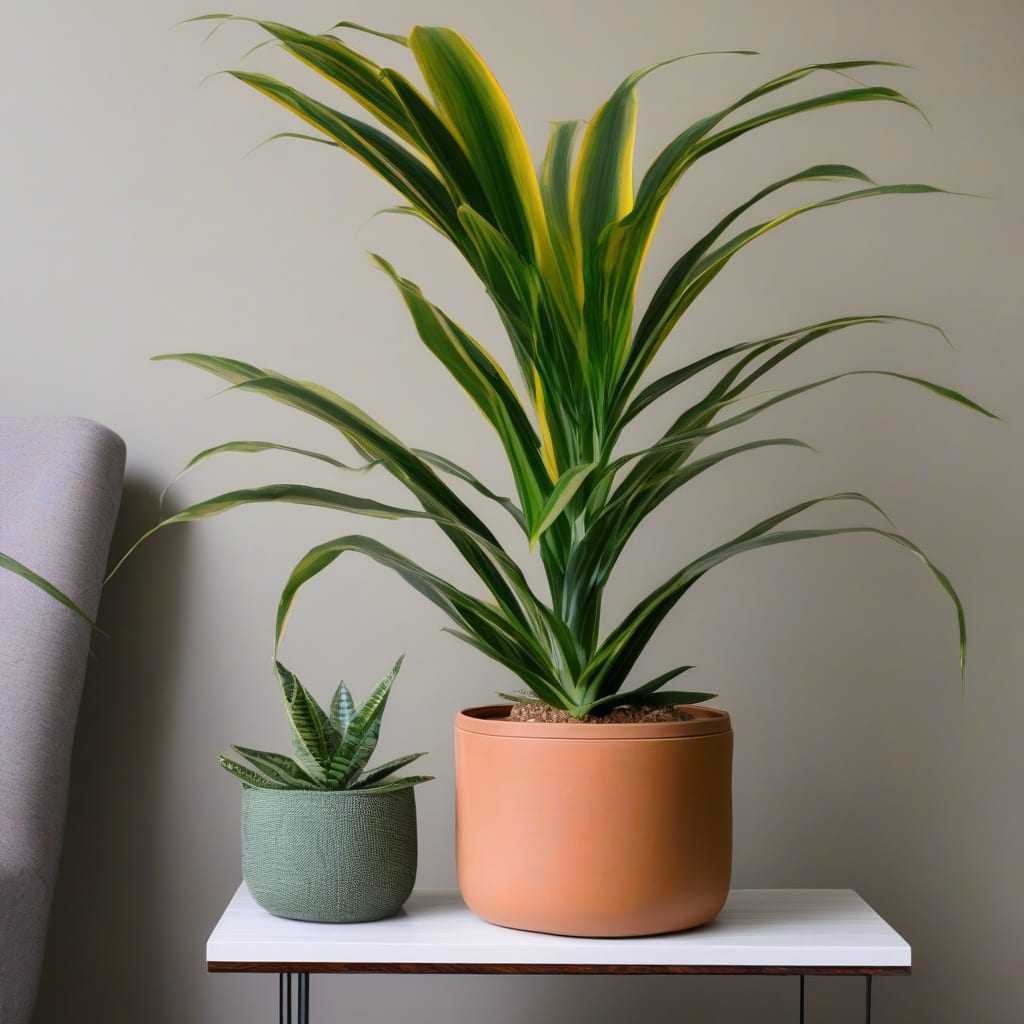
I’ve always been fascinated by the Snake Plant 🌿, known for its striking appearance and low-maintenance requirements. Understanding how tall it can grow is crucial for optimal care and placement in your home or office.
The height of Sansevieria, commonly known as Snake Plant, can vary significantly based on factors like growing conditions and variety. Let’s explore what influences its growth and how tall it can actually get.


I’ve found that understanding the factors that influence Sansevieria growth is crucial for optimal care. The height of Sansevieria plants can vary significantly based on several key factors.
The main factors that affect Sansevieria growth height include light exposure, watering practices, soil quality, pot size, and temperature conditions. Let’s explore how these factors impact the plant’s growth.
By understanding and optimizing these factors, you can create an environment that supports your Sansevieria’s maximum height potential. Proper care and attention to these details will help your plant thrive.
For example, placing your Sansevieria in a spot with bright, indirect light can encourage taller growth. Using a well-draining potting mix and avoiding overwatering can prevent root rot and promote healthy development.
It’s also important to note that different varieties of Sansevieria may have varying height potentials. Some compact varieties may naturally remain shorter, while others can grow quite tall under optimal conditions.
By providing the right conditions and care, you can help your Sansevieria reach its full height potential and enjoy its striking foliage for years to come 🌱.
Some additional factors that can influence Sansevieria height include fertilization, pruning, and repotting. Let’s explore these in more detail.
Fertilizing your Sansevieria during the growing season with a balanced fertilizer can provide essential nutrients for growth. However, it’s important not to overfertilize, as this can cause more harm than good.
Pruning your Sansevieria can help maintain its shape and encourage new growth. Removing any damaged or dead leaves can also improve the plant’s overall appearance and health.
Repotting your Sansevieria into a slightly larger pot can give the roots room to expand and support continued growth. However, it’s best to avoid frequent repotting, as Sansevieria prefers to be slightly root-bound.
By combining these care practices with the optimal growing conditions mentioned earlier, you can help your Sansevieria reach its maximum height potential and thrive in your care 🌿.
I’ve found that understanding the maximum height potential of different Sansevieria varieties is essential for choosing the right plant for your space. Different varieties can grow to varying heights, making some more suitable for certain environments than others.
The height of Sansevieria plants can range significantly across different varieties. Let’s explore some of the most common types and their maximum height potentials.
As you can see, different Sansevieria varieties have distinct maximum height potentials. The Sansevieria Trifasciata is one of the taller varieties, reaching heights of 4-5 feet under optimal conditions. In contrast, the Sansevieria Cylindrica tends to be shorter, typically growing to 3-4 feet in height.
When selecting a Sansevieria, it’s essential to consider not only the maximum height potential but also the growth rate. Some varieties, like the Sansevieria Cylindrica, have a slower growth rate, while others, such as the Sansevieria Trifasciata, grow at a moderate pace.
Understanding these factors can help you choose the right Sansevieria variety for your needs and ensure that you’re providing the appropriate care for optimal growth 🌿.
For example, if you have limited vertical space, a more compact variety like the Sansevieria Moonshine might be a better fit, as it typically reaches heights of 2-3 feet.
By considering the maximum height potential and growth rate of different Sansevieria varieties, you can make an informed decision and enjoy the benefits of these beautiful, low-maintenance plants 🌱.
Some other popular Sansevieria varieties include the Sansevieria Laurentii and the Sansevieria Kirkii, each with their unique characteristics and growth habits.
Regardless of the variety you choose, providing the right growing conditions, such as bright, indirect light and well-draining soil, will help your Sansevieria reach its full height potential and thrive.
To help your Sansevieria reach its maximum height potential, I’ve found that proper care is essential. Let’s explore some practical tips for encouraging healthy growth.
Fertilize your Sansevieria during the growing season with a balanced fertilizer to provide essential nutrients for growth.
Fertilizing your Sansevieria during the spring and summer months can promote healthy growth. Use a balanced fertilizer with a ratio of 20-20-20 to provide the necessary nutrients.
Pruning is another important aspect of Sansevieria care. Remove any damaged or dead leaves to maintain the plant’s appearance and prevent the spread of disease.
When it comes to repotting, Sansevieria prefers to be slightly root-bound. Repot your plant into a slightly larger pot with well-draining soil to give the roots room to expand.
By following these tips and providing the right growing conditions, you can help your Sansevieria reach its full height potential and thrive. Regular pest management is also crucial to prevent infestations that can hinder growth.
Some other key factors to keep in mind include maintaining optimal temperature conditions between 65-75°F (18-24°C) and ensuring proper soil quality with good drainage.
By combining these care practices with the optimal growing conditions, you can enjoy a healthy and thriving Sansevieria plant that reaches its maximum height potential 🌱.
