
Beautiful Plants For Your Interior
Beautiful Plants For Your Interior
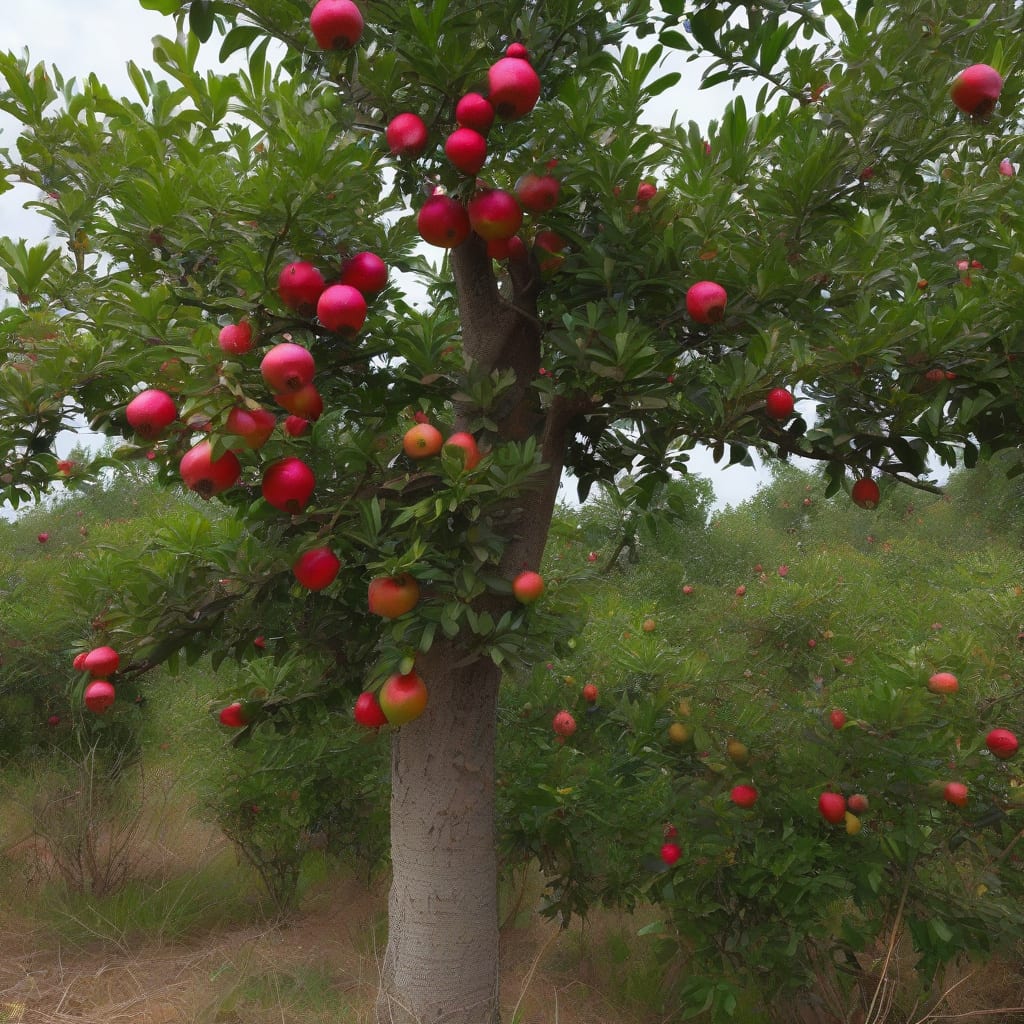
Growing a pomegranate tree 🍊 can be a rewarding experience, but understanding its growth patterns is key. In ideal conditions, pomegranate trees can grow between 6 to 15 feet tall, depending on factors like soil quality and pruning techniques.
Whether you’re working with a dwarf variety or a standard tree, knowing how to manage its height is crucial for both aesthetics and fruit production. Let’s explore the factors that influence pomegranate tree height and how you can optimize their growth.

2 ft

4 ft

6 ft

12 ft
Pomegranate trees are known for their beautiful flowers and nutritious fruit, but their growth patterns can vary significantly based on several factors. Understanding these factors is crucial for gardeners who want to cultivate healthy and productive trees.
The typical height of a pomegranate tree can range from 6 to 15 feet, with some varieties growing taller than others. Factors such as soil quality, climate, and pruning techniques play a significant role in determining the final height of the tree 🌳.
The growth rate of pomegranate trees is generally moderate, with young trees growing about 1-2 feet per year. The height is also influenced by the tree’s age, with most pomegranate trees reaching their full height within 5-7 years after planting.
Soil quality is a critical factor in determining the height of pomegranate trees. Trees grown in well-draining, fertile soil tend to grow more vigorously than those in poor soil. Soil pH also affects nutrient availability, which can impact tree height.
Climate is another important factor, as pomegranate trees prefer full sun and warm temperatures. In cooler climates, trees may not grow as tall or may require protection during winter months.
Pruning is an essential practice for managing pomegranate tree height. Regular pruning helps maintain a desired shape, promotes fruiting, and removes dead or diseased branches. Proper pruning techniques can significantly impact the overall height and health of the tree.
In addition to pruning, training the tree can help control its height. Techniques such as espaliering or using a trellis can be effective for managing tree size in smaller gardens.
Pomegranate trees are generally drought-tolerant once established, but consistent moisture promotes better growth. Watering needs vary based on climate and soil conditions, with more frequent watering required during hot, dry periods.
Fertilization is also important for promoting healthy growth. A balanced fertilizer applied during the growing season can provide necessary nutrients for optimal development.
By understanding the factors that influence pomegranate tree height and implementing proper care practices, gardeners can enjoy both the beauty and bounty of these remarkable trees for years to come 🌟.
Regular monitoring and maintenance are key to achieving the desired height while ensuring the tree remains healthy and productive. With proper care, pomegranate trees can be a valuable addition to any garden or landscape.
Managing the height of pomegranate trees is crucial for maintaining their shape, promoting fruit production, and ensuring they fit within your garden space. Proper pruning and training techniques can help you achieve the desired height while keeping your trees healthy and productive.
Pruning is an essential practice for pomegranate trees, as it helps remove dead or diseased branches, improves air circulation, and encourages fruiting. The best time to prune pomegranate trees is during their dormant season, typically in late winter or early spring 🌟.
Start by removing any branches that are dead, diseased, or damaged. This helps prevent the spread of disease and encourages healthy growth.
Thin out the center of the tree to improve air circulation and allow sunlight to penetrate. This promotes healthy growth and fruit production.
Shape the tree to maintain its desired height and form. Remove any branches that are growing too tall or out of place.
In addition to pruning, training your pomegranate tree can help control its height. Techniques such as espaliering or using a trellis can be effective for managing tree size in smaller gardens 🌿.
Espaliering involves training the tree to grow flat against a wall or trellis. This technique not only controls the tree’s height but also adds a decorative element to your garden.
Using a trellis is another effective method for managing pomegranate tree height. By providing support for the tree’s branches, you can keep the tree upright and maintain its desired shape.
Regular monitoring and maintenance are key to achieving the desired height while ensuring the tree remains healthy and productive. With proper care, pomegranate trees can be a valuable addition to any garden or landscape 🌟.
By implementing these pruning and training techniques, you can enjoy a bountiful harvest of delicious pomegranates while maintaining a beautiful and manageable tree size.
To maximize pomegranate growth, understanding the right soil, climate, and care conditions is crucial. Pomegranate trees thrive in well-draining soil with a pH between 6.0 and 7.0, making soil quality a critical factor 🌳.
Pomegranate trees are drought-tolerant once established but produce better fruit with consistent moisture. They require full sun and warm temperatures to thrive.
Climate plays a significant role in pomegranate tree growth. These trees prefer warm temperatures and can tolerate some frost, but prolonged exposure to cold can damage the tree ❄️.
In terms of care, regular watering is essential during the growing season. Pomegranate trees need consistent moisture, especially when they’re producing fruit. However, they don’t like waterlogged soil, so ensuring good drainage is vital 💧.
Fertilization is another important aspect of pomegranate care. A balanced fertilizer applied during the growing season can provide the necessary nutrients for healthy growth and fruit production.
By focusing on these key factors—soil quality, climate, and proper care—you can create an optimal environment for your pomegranate tree to grow and flourish 🌟.
Regular monitoring and maintenance will help you catch any potential issues early, ensuring your tree remains healthy and productive for years to come.
