
Beautiful Plants For Your Interior
Beautiful Plants For Your Interior
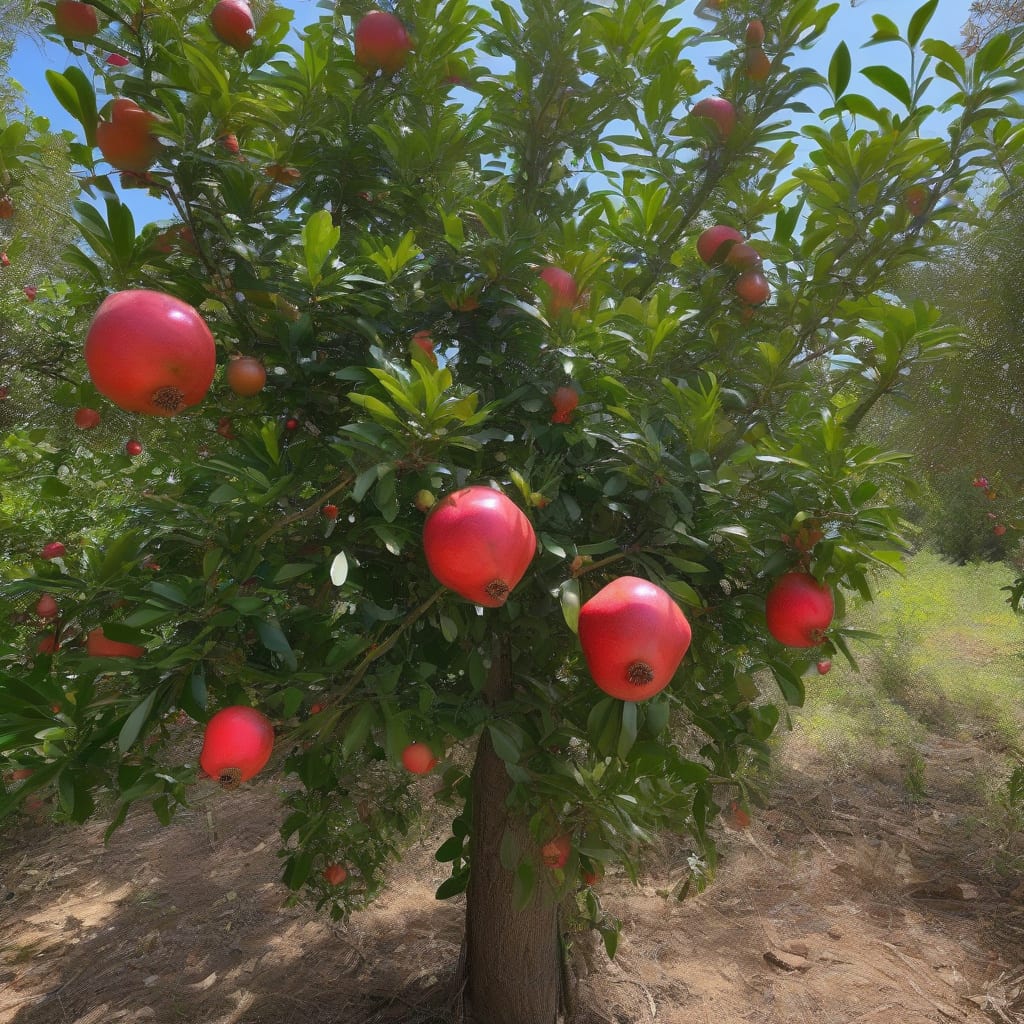
As I stand before a mature Pomegranate Tree 🌳, I’m always amazed by its potential height. Growing up to 15-20 feet tall, these trees can be a stunning addition to any garden.
But what determines their height? Let’s explore the factors that influence the growth of these beautiful trees, from soil quality to pruning practices, and discover how to make the most of your Pomegranate Tree’s potential.

3 ft

6 ft

10 ft

15-20 ft
The height of a Pomegranate Tree is influenced by several factors, including the tree’s variety, climate, soil conditions, and pruning practices. Understanding these factors is crucial for gardeners who want to optimize the growth and productivity of their trees 🌳.
Different varieties of pomegranate trees have distinct growth habits, with some being naturally more compact while others can grow quite tall. For instance, dwarf varieties are bred to remain smaller, typically reaching heights of 8-12 feet, making them ideal for smaller gardens or containers.
Understanding these factors helps gardeners make informed decisions about planting, the care of their pomegranate trees, and how to achieve the desired height for their garden space 🌱.
Climate plays a significant role in determining the height of a pomegranate tree. These trees prefer warm, dry conditions and can tolerate some frost but will not thrive in areas with prolonged cold or wet conditions. In ideal climates, pomegranate trees can reach their full height potential 🌟.
The soil conditions are also crucial. Pomegranate trees prefer well-draining soil and can adapt to a range of soil types, from sandy to clay. However, they are sensitive to waterlogged conditions, which can lead to root rot and stunt the tree’s growth 🌿.
Pruning practices are another critical factor. Regular pruning can help control the height of a pomegranate tree, promote a healthy structure, and encourage fruiting. Pruning in the late winter or early spring is recommended to remove any dead or damaged branches and to shape the tree 🌼.
By considering these factors, gardeners can better understand how tall their pomegranate tree is likely to grow and take steps to optimize its growth and health 🌳.
In conclusion, the height of a pomegranate tree is influenced by a combination of its variety, the climate it’s grown in, the soil conditions, and how it’s pruned. By understanding and managing these factors, gardeners can help their pomegranate trees reach their full potential and enjoy a bountiful harvest of delicious fruit 🍊.
Gardeners should also note that dwarf varieties are available for smaller spaces, typically growing between 8-12 feet tall. These compact trees are ideal for container gardening or small gardens where space is limited 🌱.
The average height of a mature pomegranate tree can range from 15-20 feet, but this can vary based on the specific growing conditions and the tree’s variety. Understanding the specific needs and characteristics of your pomegranate tree variety is key to achieving the desired height and enjoying a healthy, productive tree 🌳.
Understanding the average height range of different pomegranate tree varieties is crucial for gardeners to make informed decisions about their garden layout and tree selection. The height of pomegranate trees can vary significantly based on the variety, ranging from compact dwarf trees to standard trees that can grow quite tall 🌳.
The dwarf varieties of pomegranate trees are ideal for small gardens or container gardening, as they remain relatively compact, typically growing between 8-12 feet tall. These trees are perfect for gardeners with limited space who still want to enjoy the beauty and fruit of a pomegranate tree 🌱.
Semi-dwarf varieties offer a middle ground, growing to an average height of 12-15 feet. They are suitable for medium-sized gardens and provide a good balance between fruit production and manageable size 🌼.
Standard pomegranate trees are the largest, reaching heights of 15-20 feet. They are best suited for large gardens or orchards where they have ample space to grow. These trees can become quite impressive and are a great choice for gardeners who have the space to accommodate their full growth 🌳.
When selecting a pomegranate tree variety, it’s essential to consider the mature size of the tree and how it will fit into your garden or landscape. Understanding the average height range of different varieties helps ensure that you choose a tree that will thrive in your available space 🌟.
Gardeners should also keep in mind that factors such as soil quality, climate, and pruning practices can influence the actual height of their pomegranate tree. Proper care and maintenance can help ensure that the tree reaches its full potential height and remains healthy and productive 🌿.
By choosing the right variety for your space and providing appropriate care, you can enjoy a beautiful and fruitful pomegranate tree that enhances your garden for years to come 🌼.
Pruning is an essential technique for managing the height of pomegranate trees and promoting healthy growth. By pruning your tree regularly, you can control its size, encourage fruiting, and maintain its overall health 🌳.
To effectively prune your pomegranate tree, follow these steps:
Start by removing any dead, diseased, or damaged branches to prevent the spread of disease and encourage healthy growth.
Thin out the center of the tree to allow more sunlight to penetrate and promote air circulation, which helps prevent disease.
Shape the tree to maintain its desired height and promote a balanced structure. Cut back any branches that are growing too tall or out of shape.
Regular pruning not only helps control the height of your pomegranate tree but also encourages it to produce more fruit. By following these pruning tips, you can enjoy a healthier, more productive tree that fits perfectly in your garden space 🌼.
Pruning should be done in the late winter or early spring, before new growth begins. This timing helps minimize the risk of disease and allows the tree to heal quickly from any cuts 🌟.
By incorporating regular pruning into your pomegranate tree care routine, you can effectively manage its height and enjoy a bountiful harvest of delicious fruit for years to come 🍊.
