
Beautiful Plants For Your Interior
Beautiful Plants For Your Interior
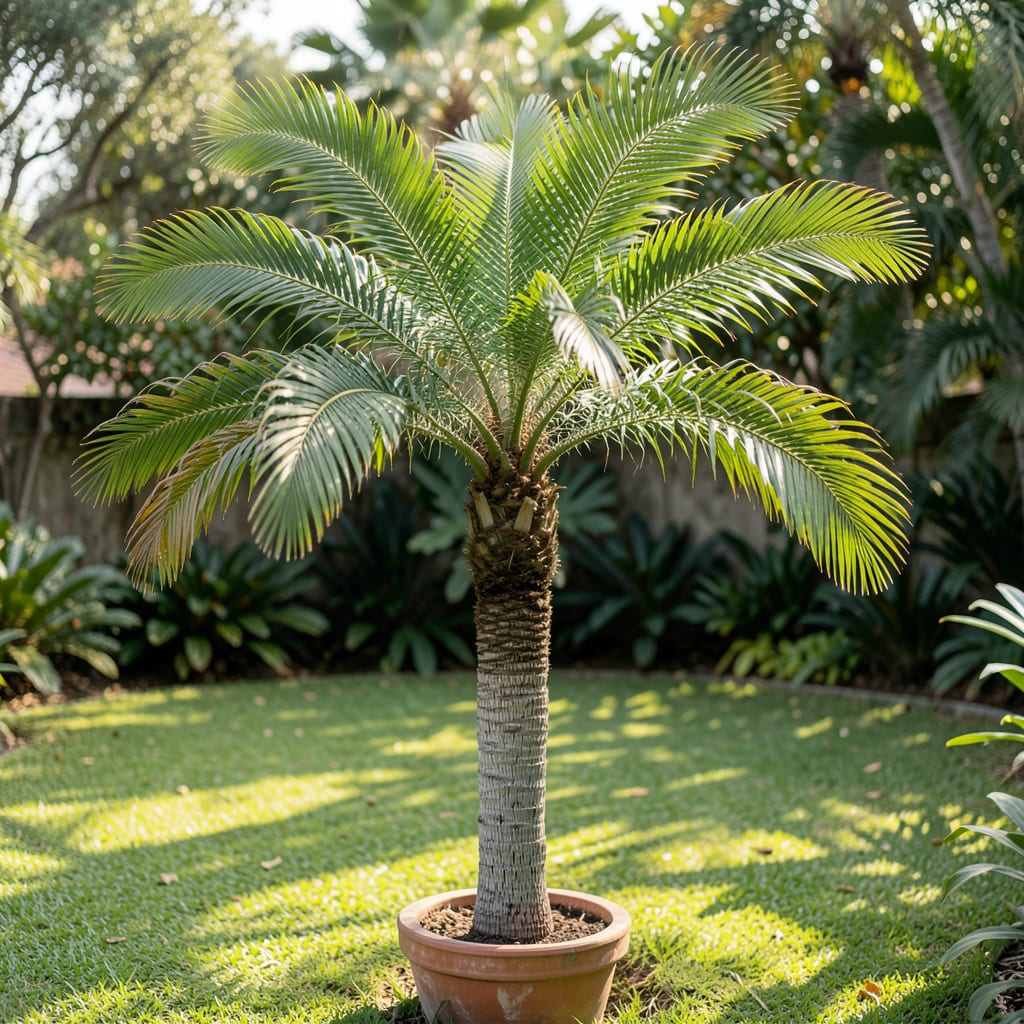
Palm trees 🌴 are iconic symbols of tropical landscapes, but their height potential varies widely depending on species and growing conditions. In USDA Zone 6, growing palm trees can be challenging, but with proper care, they can thrive.
I’ll explore the factors that influence the height of palm trees, from environmental conditions to cultivation practices, and provide tips on how to promote healthy growth. Let’s discover how tall palm trees can grow and what you can do to support their development.


Palm trees are known for their varying heights, ranging from compact dwarf varieties to towering giants. The maximum height a palm tree can achieve depends largely on its species and growing conditions 🌴.
Some palm species are naturally taller than others. For instance, the Quindío wax palm can grow up to 60 meters tall, making it one of the tallest palm species in the world.
The Quindío wax palm is not only tall but also native to the Andes mountains in Colombia. Other palm species like the Royal Palm and Date Palm are also known for their significant heights, though they are generally shorter than the Quindío wax palm.
Factors such as soil quality, climate, and watering conditions play a crucial role in determining the maximum height a palm tree can achieve. Palm trees growing in optimal conditions with plenty of sunlight and water tend to grow taller than those in less favorable environments.
In general, palm trees can be categorized into different height ranges based on their species. While some remain relatively short, others can grow to be quite tall, making them a striking feature in any landscape 🌴.
Understanding the growth potential and the factors that influence it can help in selecting the right palm species for specific landscaping needs.
For those interested in growing palm trees, it’s essential to consider the climate and soil requirements of the specific palm species to ensure they reach their maximum height potential.
Proper care and maintenance are key to supporting the healthy growth of palm trees. This includes providing adequate water, nutrients, and protection from pests and diseases.
By choosing the right palm species and providing appropriate care, you can enjoy the beauty and benefits of these magnificent trees in your landscape for years to come 🌴.
The height of palm trees can vary significantly based on the species and the conditions in which they are grown. By understanding these factors, you can make informed decisions about planting and caring for palm trees.
Palm trees are known for their varying heights, and several environmental and cultivation factors play a crucial role in determining how tall they can grow 🌴.
The climate is one of the most significant factors affecting palm tree height. Palm trees thrive in tropical and subtropical regions with warm temperatures and high humidity.
Proper care and maintenance are also vital in supporting the growth of palm trees. This includes regular fertilization and pruning to remove dead or damaged fronds.
By understanding and managing these factors, you can help your palm trees reach their full height potential and enjoy their beauty for years to come 🌴.
The height of palm trees is influenced by a combination of genetic and environmental factors. By providing optimal growing conditions, you can maximize their growth.
Regular monitoring of your palm trees’ health and adjusting care practices accordingly can make a significant difference in their overall height and vitality.
In conclusion, while palm trees have inherent growth limits based on their species, proper care and favorable growing conditions can help them achieve their maximum height potential.
Managing the height of palm trees is crucial for maintaining a visually appealing landscape, especially in residential or commercial settings 🌴.
One effective way to manage palm tree height is through regular pruning. Pruning not only helps control the height but also promotes healthy growth by removing dead or damaged fronds.
When pruning, remove only the dead or damaged fronds to avoid stressing the tree. This helps maintain the palm’s natural appearance while controlling its height.
Choosing the right palm species for your landscape is another important consideration. Dwarf or semi-dwarf palm varieties are ideal for smaller spaces or where a shorter palm tree is desired.
Regular maintenance is key to ensuring that your palm trees remain healthy and well-managed. This includes not only pruning but also proper watering and fertilization.
By understanding the growth patterns of different palm species and implementing appropriate care practices, you can effectively manage their height and enjoy their beauty in your landscape 🌴.
Consulting with a landscaping professional can also provide valuable insights into the best practices for managing palm tree height in your specific environment.
In summary, managing palm tree height involves a combination of regular pruning, selecting the appropriate species, and providing proper care. By following these tips, you can maintain a beautiful and well-managed landscape.
Palm trees can grow to varying heights depending on their species. On average, they can range from 10 to 80 feet tall when fully mature. Some species, like the Quindío wax palm, can even reach heights of up to 60 meters. The height potential is influenced by factors such as climate, soil quality, and watering conditions .
The time it takes for palm trees to reach their maximum height varies significantly depending on the species and growing conditions. Generally, palm trees can take anywhere from 5 to 50 years or more to reach their full height. Factors such as soil quality, climate, and proper care play a crucial role in determining their growth rate .
Yes, palm tree height can be managed through regular pruning and selecting the right palm species for your landscape. Dwarf or semi-dwarf varieties are ideal for smaller spaces or where a shorter palm tree is desired. Proper care, including fertilization and watering, also helps maintain healthy growth and manageable height .
Several factors influence palm tree height, including climate, soil quality, watering conditions, and sunlight exposure. Palm trees thrive in tropical and subtropical regions with warm temperatures and high humidity. Proper care practices, such as regular fertilization and pruning, also support healthy growth and maximum height potential .
