
Beautiful Plants For Your Interior
Beautiful Plants For Your Interior
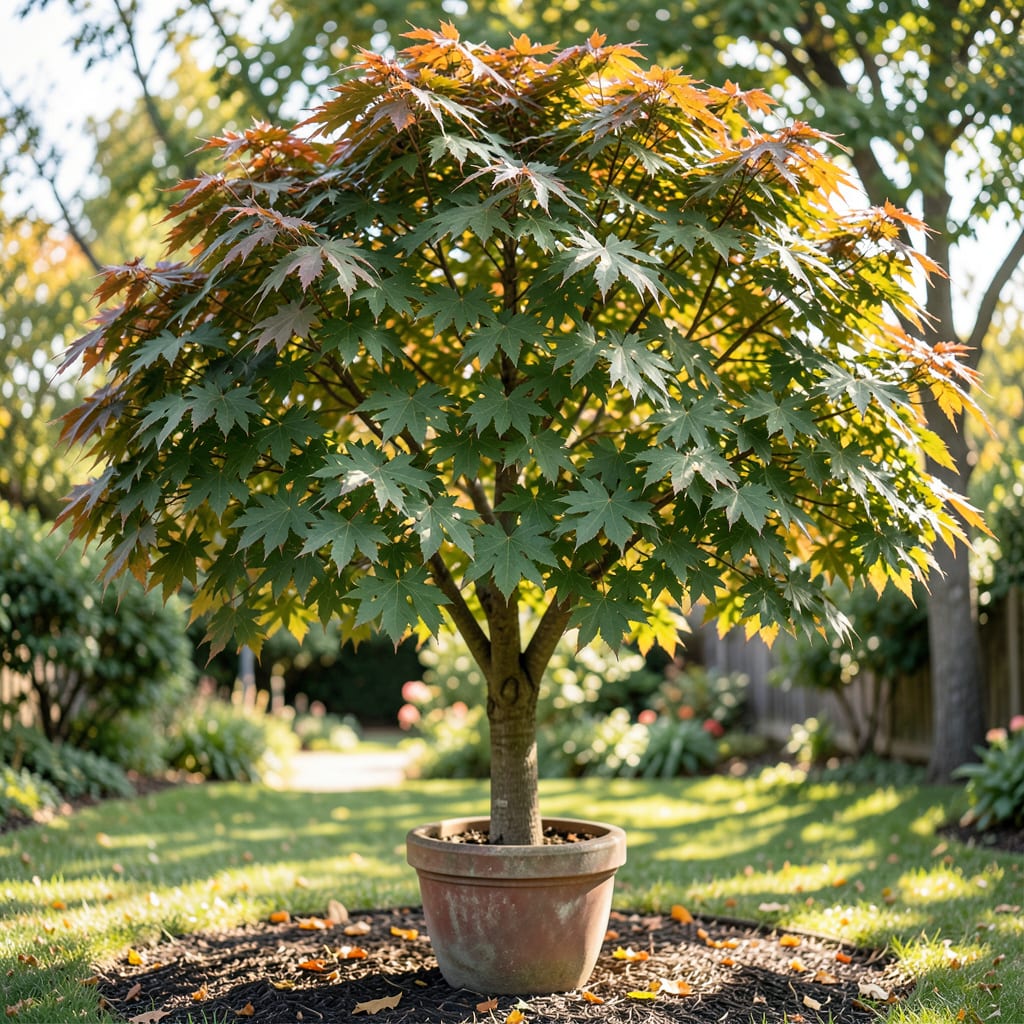
As I stand beneath a majestic Maple Tree 🌳, I’m struck by its towering presence. These trees can grow to varying heights depending on the species and growing conditions.
In general, Maple Trees can reach heights of 30 to 80 feet, with some species growing taller than others. Understanding their growth potential is crucial for proper landscaping and care.


When considering how tall a Maple Tree can grow, several factors come into play. The height of a Maple Tree is influenced by its species, soil quality, climate conditions, and maintenance practices. Understanding these factors is crucial for gardeners and landscapers to make informed decisions.
The soil quality plays a significant role in determining the height of a Maple Tree. Trees growing in well-drained, nutrient-rich soil tend to grow taller than those in poor soil conditions. Additionally, climate conditions such as temperature, rainfall, and sunlight exposure impact the growth rate and maximum height of Maple Trees.
The species of the Maple Tree is a primary determinant of its height. Some species, like the Sugar Maple, can grow up to 100 feet tall, while others, such as the Japanese Maple, typically reach heights of 15 to 25 feet. 🌳
Climate conditions also significantly impact the height of Maple Trees. Trees growing in their native habitats or in regions with similar conditions tend to reach their maximum height potential more readily than those in less suitable environments.
In addition to species and climate, maintenance practices such as pruning and fertilization can influence the height and overall health of Maple Trees. Proper care ensures that trees grow strong and healthy, reaching their potential height.
Understanding these factors helps in selecting the right Maple Tree species for specific landscaping needs and in providing appropriate care to support their growth.
By considering soil quality, climate conditions, and maintenance practices, gardeners can better predict and manage the height of their Maple Trees, ensuring they thrive in their environment.
The height of Maple Trees can vary significantly based on these factors, making it essential to understand the specific needs and characteristics of the species being grown.
For gardeners and landscapers, knowing how these factors influence Maple Tree height is key to successful planting and maintenance strategies.
By optimizing soil conditions and maintenance practices, it’s possible to support the healthy growth of Maple Trees, helping them reach their full height potential.
Ultimately, the height of a Maple Tree is a result of a combination of its genetic potential and the environmental conditions in which it grows.
When exploring the height potential of Maple Trees, it’s essential to consider the various species within this category. Different species exhibit distinct growth characteristics and maximum heights.
The height of Maple Trees can vary significantly across species. Understanding these differences is crucial for selecting the right tree for specific landscaping needs.
The Sugar Maple is known for its impressive height, reaching up to 100 feet in ideal conditions. This species is a popular choice for large landscapes due to its stature and vibrant fall colors.
In contrast, the Japanese Maple is a more compact species, typically growing between 15 to 25 feet tall. It’s ideal for smaller gardens or ornamental purposes.
Red Maple trees fall somewhere in between, usually reaching heights of 50 to 70 feet. They are known for their rapid growth rate and striking red foliage during the fall season.
Understanding the growth characteristics of different Maple Tree species helps in making informed decisions for landscaping and gardening projects.
By comparing the height ranges and growth rates of various Maple Tree species, gardeners can choose the most suitable tree for their specific needs and environments.
The diversity in height and growth patterns among Maple Trees offers a range of options for different landscaping scenarios, from large parks to small residential gardens.
Selecting the appropriate Maple Tree species based on its height potential and growth rate is crucial for achieving the desired landscape design and ensuring the tree thrives in its environment.
When it comes to managing the height of Maple Trees, there are several practical tips to consider for successful landscaping. Proper maintenance is key to controlling the height and ensuring the tree thrives in its environment.
One effective method for managing Maple Tree height is through regular pruning. Pruning helps maintain the desired shape and size of the tree, promoting healthy growth and preventing it from becoming too large for the surrounding landscape.
Prune your Maple Tree during its dormant season to minimize stress and promote healthy growth. Remove any dead or damaged branches to maintain the tree’s overall health.
Pruning techniques can vary depending on the desired outcome. For instance, crown reduction is a technique used to reduce the overall size of the tree while maintaining its natural shape. This method is particularly useful for Maple Trees that have outgrown their space.
In addition to pruning, regular maintenance practices such as fertilization and pest management play a crucial role in maintaining the health and size of Maple Trees. Ensuring the tree receives adequate nutrients and is protected from pests and diseases supports its overall well-being.
For gardeners and landscapers, understanding the growth patterns of Maple Trees and implementing appropriate maintenance strategies are essential for managing their height effectively. By doing so, they can ensure their Maple Trees remain a beautiful and integral part of their landscape.
Effective height management also involves considering the growth rate of the Maple Tree species. Some species grow faster than others, and understanding these growth patterns helps in planning and maintaining the desired landscape.
By combining pruning, fertilization, and pest management, gardeners can successfully manage the height of their Maple Trees, ensuring they contribute positively to the landscape.
Ultimately, the key to managing Maple Tree height lies in a combination of proper maintenance practices and a thorough understanding of the tree’s specific needs and growth characteristics.
Most Maple Trees typically grow between 30 to 80 feet tall, depending on the species and growing conditions. Some species, like the Sugar Maple, can reach heights of up to 100 feet. Proper care and maintenance can help them reach their full height potential .
Maple Trees are known for their moderate to fast growth rates. On average, they can grow 1 to 3 feet per year. Factors like soil quality, climate, and maintenance practices influence their growth rate. Regular watering and fertilization can support healthy growth .
Yes, you can manage the height of your Maple Tree through regular pruning. Pruning helps maintain the desired shape and size, promoting healthy growth. Techniques like crown reduction can be used to reduce the tree’s size while maintaining its natural shape .
Soil quality significantly impacts Maple Tree height. Trees growing in well-drained, nutrient-rich soil tend to grow taller than those in poor soil conditions. Ensuring good soil quality through proper fertilization and drainage can support healthy growth and maximum height potential .
