
Beautiful Plants For Your Interior
Beautiful Plants For Your Interior
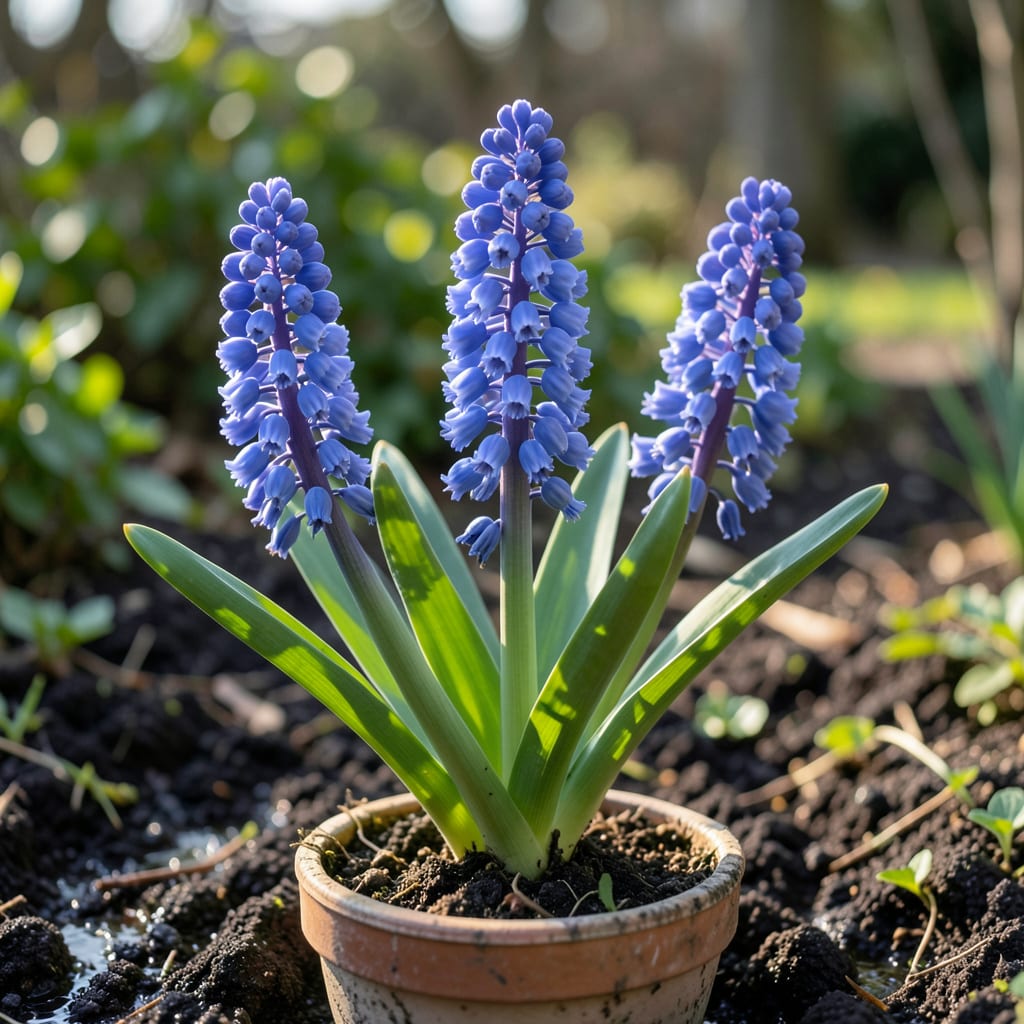
As a gardener, I’ve always been fascinated by the vibrant 🌷 hyacinths that bloom in spring. Their height can vary, but typically, they grow between 0.5 to 1 foot tall, making them a great addition to any garden bed.
Understanding what affects their growth helps you plan your garden display effectively. Let’s explore the factors that influence hyacinth height and how to encourage optimal growth in your garden in USDA Zone 6a.


Hyacinths are known for their vibrant colors and intoxicating fragrance, but their height can vary based on several factors. Understanding these factors helps gardeners plan their garden displays effectively 🌷.
The height of hyacinths is influenced by growing conditions and variety selection. Let’s explore how different factors impact their maximum height.
The typical height range for hyacinths is between 0.5 to 1 foot, with some varieties growing taller than others. Factors such as soil quality, sunlight exposure, and variety selection all play a role in determining the final height 🔍.
Soil quality is crucial as hyacinths prefer well-draining soil rich in organic matter. Poor soil conditions can limit their growth potential. Ensuring the soil is fertile and drains well can help achieve optimal height.
Sunlight exposure is another critical factor. Hyacinths thrive in full sun to partial shade, requiring at least 6 hours of direct sunlight daily. Insufficient sunlight can result in weaker and shorter stems.
The variety of hyacinth chosen also significantly impacts height. Some varieties are naturally more compact, while others can grow taller. Selecting the right variety based on desired height is essential for garden planning.
In addition to these factors, proper care and maintenance are vital. This includes planting bulbs at the correct depth, fertilizing appropriately, and post-bloom care. These practices help ensure that hyacinths reach their full height potential 🌱.
By understanding and managing these factors, gardeners can optimize the growth of their hyacinths and enjoy a vibrant display of flowers in the spring.
For more detailed information on maximizing hyacinth growth, including expert tips on planting depth and fertilization, continue reading the next section.
Hyacinths are a beautiful addition to any garden, and with the right conditions, they can thrive and reach their full height, providing a stunning display of color and fragrance 🌼.
By focusing on soil quality, sunlight exposure, and variety selection, gardeners can create an optimal environment for their hyacinths to grow tall and healthy.
To achieve the maximum height for hyacinths, proper care and maintenance are essential. I recommend focusing on planting depth, fertilization, and post-bloom care to encourage taller plants 🌼.
Let’s explore some expert tips to help you maximize hyacinth growth and reach their full height potential.
Plant hyacinth bulbs 6-8 inches deep to ensure proper root development and support for taller stems.
Use a balanced fertilizer after shoots emerge and again after blooming to promote healthy growth and maximize height.
Allow foliage to die back naturally to store energy for next year’s growth and maximize future height.
By following these expert tips, you can create an optimal environment for your hyacinths to grow tall and healthy, providing a stunning display of color and fragrance in your garden 🌷.
Proper planting depth is critical as it directly affects root development and stem support. Planting bulbs too shallow can result in weaker stems and reduced height.
Fertilization plays a vital role in promoting healthy growth. Using a balanced fertilizer at the right times helps provide necessary nutrients for optimal height.
Post-bloom care is equally important. Allowing foliage to die back naturally ensures that the bulb stores enough energy for the next growing season, supporting taller growth.
In addition to these tips, maintaining consistent moisture and ensuring good soil drainage are crucial for healthy hyacinth growth.
By combining these practices, gardeners can maximize the height of their hyacinths and enjoy a vibrant display of flowers year after year 🌼.
For more information on common mistakes that can stunt hyacinth growth and how to avoid them, continue reading the next section.
When growing hyacinths, gardeners often make mistakes that can limit their height and overall health. Understanding these common pitfalls helps you avoid them and ensure your hyacinths reach their full potential 🌼.
Let’s explore some of the most common mistakes that can stunt hyacinth growth and provide practical advice on how to prevent them.
Common errors in hyacinth care can significantly impact their growth and height. Being aware of these mistakes helps you take corrective action.
Planting too shallow is a common mistake that can result in weaker stems and reduced height. Hyacinth bulbs should be planted 6-8 inches deep to ensure proper root development and support for taller stems.
Insufficient sunlight is another critical error. Hyacinths require full sun to partial shade, needing at least 6 hours of direct sunlight daily. Without adequate sunlight, stems can become weak and shorter.
Poor soil conditions can also limit hyacinth growth. They prefer well-draining soil rich in organic matter. Ensuring the soil is fertile and drains well can help achieve optimal height.
Over-fertilization can be detrimental. Using a balanced fertilizer at the right times is crucial. Avoid over-fertilizing, as this can lead to excessive foliage growth at the expense of flower production.
Failing to allow foliage to die back naturally after blooming is another mistake. This natural process is essential for the bulb to store energy for the next growing season, supporting taller growth.
By being aware of these common mistakes and taking steps to avoid them, gardeners can create an optimal environment for their hyacinths to grow tall and healthy, enjoying a vibrant display of flowers year after year 🌷.
For more expert tips on maximizing hyacinth growth and avoiding common pitfalls, continue exploring our comprehensive guide.
By focusing on proper planting depth, sunlight exposure, soil quality, and post-bloom care, you can ensure your hyacinths thrive and reach their full height potential.
Hyacinth plants typically grow between 0.5 to 1 foot tall, making them a great addition to any garden bed. The exact height can vary based on factors like soil quality and sunlight exposure. Proper care can help them reach their full height potential .
Plant hyacinth bulbs 6-8 inches deep to ensure proper root development and support for taller stems. This depth helps the bulbs establish a strong root system, leading to healthier plants and better growth .
Yes, hyacinths can thrive in partial shade, but they prefer full sun to partial shade with at least 6 hours of direct sunlight daily. Insufficient sunlight can result in weaker and shorter stems, so choose a location that receives adequate sunlight .
Use a balanced fertilizer after shoots emerge and again after blooming to promote healthy growth and maximize height. Avoid over-fertilizing, as this can lead to excessive foliage growth at the expense of flower production. Fertilizing at the right times provides necessary nutrients for optimal height .
