
Beautiful Plants For Your Interior
Beautiful Plants For Your Interior
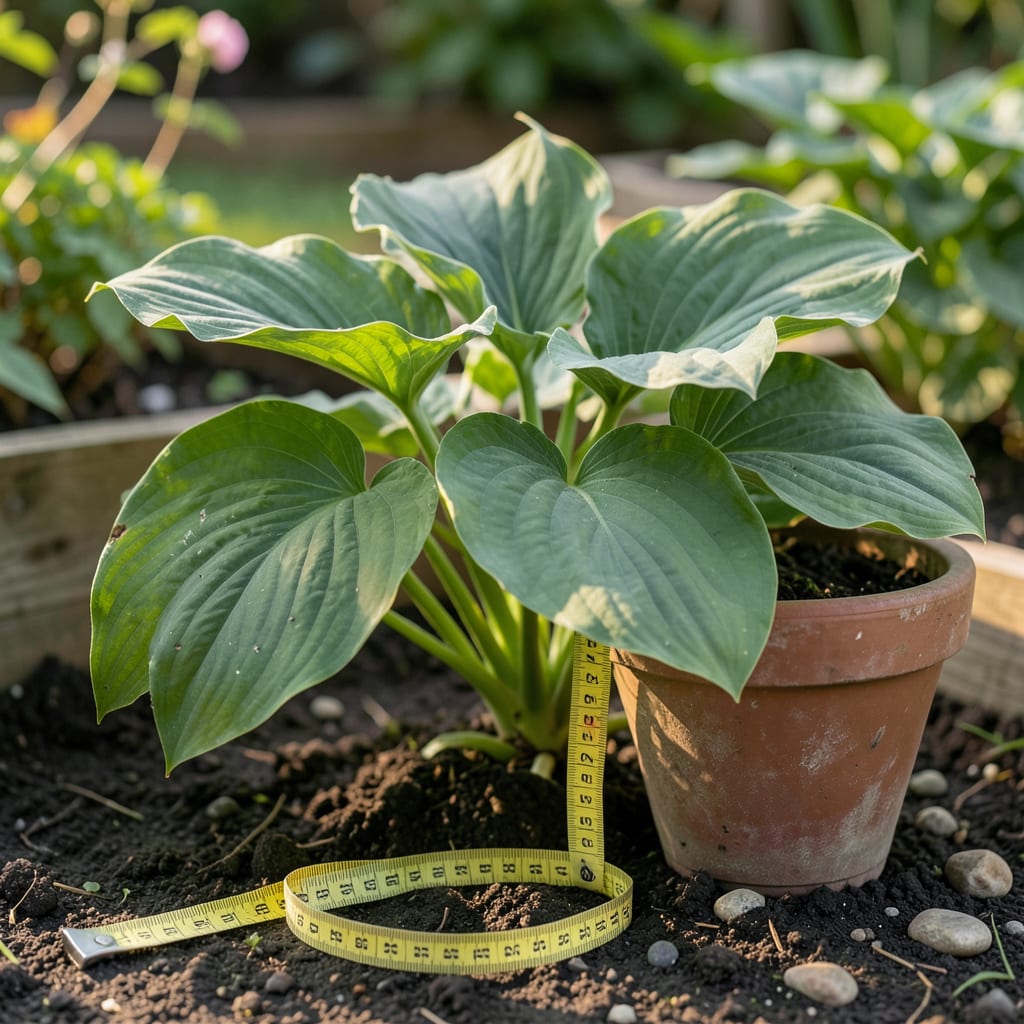
As a gardener, you’re probably wondering how tall your Hosta 🌿 will grow. The answer depends on several factors, including the variety, growing conditions, and care practices. Understanding these elements is crucial for planning your garden layout.
Hosta plants can range from 0.5 to 3 feet tall, with different varieties exhibiting unique growth habits. By knowing what to expect, you can create a beautiful and balanced garden landscape that showcases your Hosta’s natural beauty.


Understanding how tall Hosta plants will grow requires examining several key factors that influence their height. The variety of Hosta is a primary determinant, as different types have distinct growth habits ranging from compact dwarf varieties to larger standard types 🌿.
The growing conditions also play a crucial role in Hosta height. Factors such as soil quality, moisture levels, and sunlight exposure can significantly impact how tall your Hosta will grow. Hostas generally thrive in well-draining soil with consistent moisture and partial shade, which supports optimal growth.
The age of the plant also affects its height. Younger Hosta plants will be smaller and will gradually increase in size as they mature over several growing seasons. Most Hostas reach their full height within 3-5 years of planting.
Maintenance practices such as pruning and division can also influence Hosta height. Regular division can help maintain plant vigor and control size, while proper pruning practices can encourage healthier growth patterns 🌱.
By understanding these factors, gardeners can better predict and manage the growth height of their Hosta plants, creating a more harmonious garden design.
The specific cultivation conditions, including temperature and soil pH, can further affect Hosta growth. Hostas generally prefer temperatures between 60-80°F and slightly acidic to neutral soil pH (around 6.0-7.0).
Different Hosta varieties have been bred for various characteristics, including size. Some compact varieties are naturally smaller, while larger types can grow quite substantial in size under optimal conditions.
Proper care throughout the growing season is essential for maximizing Hosta height potential. This includes regular watering, appropriate fertilization, and protection from pests.
Understanding the natural growth cycle of Hostas helps in managing expectations about their height. Hostas typically emerge in spring, grow through summer, and dormancy in winter, with growth resuming the following spring.
By considering all these factors, gardeners can create optimal conditions for their Hostas to reach their full potential height while maintaining a balanced garden ecosystem.
Hosta plants come in various sizes, ranging from compact miniature varieties to large giant types. Understanding the typical height range for different Hosta varieties helps gardeners plan their garden layout effectively 🌱.
The height of Hosta plants can vary significantly based on the specific variety. Miniature Hostas are ideal for small garden spaces or container gardening, while larger varieties can serve as focal points in garden beds 🌼.
Factors such as soil quality, light exposure, and watering practices also influence the actual height your Hosta will achieve. Optimal growing conditions can help Hostas reach their maximum potential height.
When selecting Hosta varieties, consider the mature size of the plant to ensure it fits well in your garden design. Proper spacing and companion planting can help maintain a balanced garden landscape.
Different Hosta varieties not only vary in height but also in leaf size and color, providing a range of options for gardeners to create visually appealing combinations.
Understanding the growth habits of different Hosta types allows gardeners to make informed decisions about plant placement and care.
By choosing the right Hosta variety for your garden, you can enjoy their beautiful foliage and low-maintenance requirements for years to come 🌿.
Controlling Hosta size is essential for maintaining a balanced garden design. Regular pruning and division are effective methods to manage Hosta height and promote healthy growth 🌱.
Remove dead or damaged leaves to maintain appearance and promote new growth.
Pruning helps control Hosta size by removing old or damaged foliage. This not only improves the plant’s appearance but also encourages new growth. Prune Hostas in early spring before new growth begins, or after flowering in late summer.
Division is another crucial practice for managing Hosta size. Dividing Hostas every few years helps maintain their vigor and control their spread. It’s best to divide Hostas in early spring or fall when the weather is cooler 🌼.
Companion planting can also play a role in managing Hosta size. Planting complementary species around Hostas can create a visually appealing garden bed while helping to maintain a balanced ecosystem.
When selecting companion plants, choose species that have similar light and water requirements to Hostas. This ensures that all plants in the garden bed thrive together.
Some effective companion plants for Hostas include ferns, coral bells, and creeping thyme. These plants not only complement Hostas aesthetically but also share similar growing conditions 🌱.
By combining proper pruning, division, and companion planting, gardeners can effectively manage Hosta size and create a beautiful, harmonious garden landscape.
Regular maintenance is key to keeping Hostas healthy and under control. By following these tips, you can enjoy the beauty of your Hostas without worrying about them overtaking your garden 🌿.
Hosta plants vary significantly in height depending on their type. Miniature varieties typically grow 6-12 inches tall, while giant types can reach 4-5 feet or more. Most common varieties fall between 1-3 feet tall. The specific growing conditions can influence the actual height achieved.
Hostas are slow-growing plants that typically reach their full height within 3-5 years after planting. Factors like soil quality, watering, and light exposure can affect their growth rate. Proper care and maintenance help them achieve their maximum potential height.
Yes, you can manage Hosta height through regular pruning and division. Pruning removes dead or damaged leaves, promoting healthier growth. Dividing Hostas every few years helps control their size and maintains plant vigor. These practices keep your Hostas looking their best.
Absolutely! Factors like soil quality, moisture levels, and sunlight exposure significantly impact Hosta growth. Hostas thrive in well-draining soil with consistent moisture and partial shade. Optimal conditions help them reach their full potential height.
