
Beautiful Plants For Your Interior
Beautiful Plants For Your Interior
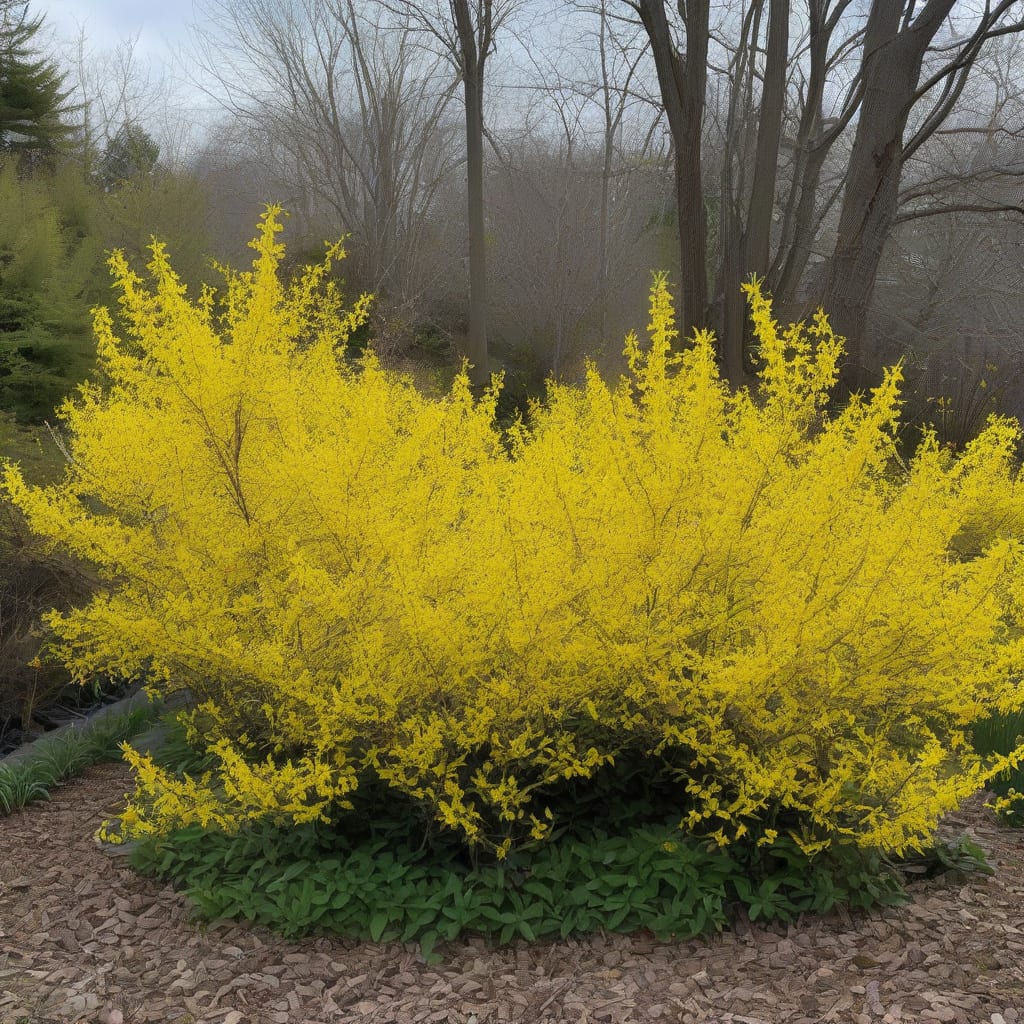
As spring arrives, Forsythia 🌼 bursts into vibrant yellow blooms, signaling warmer days ahead. But have you ever wondered just how tall these beautiful shrubs can grow in your garden?
Forsythia’s growth can reach 6-10 feet at maturity, making it essential to understand its growth patterns for perfect placement. Let’s explore what influences their height and how to manage their size effectively in your garden in USDA Zone 6.

1-2 ft

2-4 ft

4-6 ft

6-10 ft
Forsythia shrubs are known for their vibrant yellow blooms that signal the arrival of spring. Understanding their growth patterns and maximum height is crucial for gardeners who want to incorporate these beautiful plants into their landscapes. Forsythia typically grows between 6-10 feet tall, making it a medium-sized shrub 🌼.
The height of Forsythia is influenced by several factors including the specific variety, growing conditions, and maintenance practices. Some compact varieties may reach only 3 feet, while others can grow much taller. Proper care and pruning can help manage the height and shape of the shrub.
Forsythia’s growth rate is typically 1-2 feet per year when the plant is young. As it matures, the growth rate slows down. The shrub’s height can be influenced by factors such as soil quality, sunlight exposure, and watering conditions. Gardeners can manage the height through regular pruning practices 🌿.
Different varieties of Forsythia offer flexibility in terms of height. Compact varieties are ideal for smaller gardens or hedges, while standard varieties can be used as standalone shrubs or in larger; some dwarf varieties remain under 4 feet tall 🌟.
Understanding these growth characteristics helps gardeners choose the right variety for their space and plan accordingly for the mature size of the shrub. Proper spacing is essential to allow for full growth potential and maintain good air circulation around the plants.
In USDA Zone 6, Forsythia typically thrives with proper care. Gardeners should consider factors like soil quality, sunlight, and watering needs to ensure optimal growth. Regular maintenance, including pruning, will help keep the shrub healthy and within the desired height range 🌱.
Forsythia’s growth is not just about height; the shrub’s width can also spread out. Gardeners should account for this when planting to avoid overcrowding and ensure the shrub has enough space to flourish.
By understanding Forsythia’s growth patterns and maximum height, gardeners can make informed decisions about placement and care. This knowledge helps in creating a balanced and beautiful garden landscape that showcases the shrub’s vibrant spring blooms 🌼.
Regular monitoring of the shrub’s growth and adjusting care practices accordingly can help maintain the desired height and overall health of the Forsythia. This proactive approach ensures that the plant remains a stunning feature in the garden for years to come.
With the right care and attention, Forsythia can be a rewarding addition to any garden. Its bright yellow blooms are a harbinger of spring, and with proper management, it can maintain a height that complements the surrounding landscape 🌻.
Forsythia’s height can vary significantly based on several key factors that gardeners should consider when planning their garden layout. The variety of Forsythia plays a crucial role in determining its mature height, with compact varieties growing as short as 3 feet while standard types can reach up to 10 feet tall 🌼.
Growing conditions are another critical factor affecting Forsythia’s height. The shrub thrives in full sun and well-drained soil, which supports healthy growth and maximum height potential. Soil quality, including its pH level and nutrient content, can also impact the plant’s overall size and health.
To maximize Forsythia’s growth potential, ensure it receives 6+ hours of direct sunlight daily and maintain consistent watering practices, especially during its first year 🌱.
Pruning practices are essential for managing Forsythia’s height and shape. Regular pruning after the blooming period helps control the shrub’s size and promotes healthy growth. Gardeners can prune Forsythia to maintain a desired height or to encourage a more compact growth habit 🌿.
Watering needs also influence Forsythia’s growth. While the shrub is relatively drought-tolerant once established, consistent moisture during the growing season supports vigorous growth. Gardeners should aim to provide about 1 inch of water per week, either through rainfall or supplemental irrigation 💧.
In USDA Zone 6, Forsythia benefits from proper care and attention to its growing conditions. By understanding and managing these factors, gardeners can optimize their Forsythia’s growth and enjoy its vibrant blooms for years to come 🌻.
Regular maintenance, including fertilization and mulching, can further support Forsythia’s health and growth. A balanced fertilizer applied after blooming can provide necessary nutrients for the next year’s growth 🌿.
By considering these factors and adjusting care practices accordingly, gardeners can effectively manage their Forsythia’s height and ensure it remains a beautiful and vibrant part of their garden landscape.
To effectively manage Forsythia’s height, gardeners must understand proper pruning techniques and timing. Pruning is essential for maintaining the desired height and promoting healthy growth 🌿.
Forsythia should be pruned immediately after it finishes blooming in spring. This timing allows the shrub to develop new growth that will produce next year’s flowers 🌼.
Cut back 1/3 of oldest stems to ground level
Trim branches to maintain desired height and shape
Remove crossing branches to improve air circulation
Regular maintenance is crucial for keeping Forsythia healthy and within the desired height range. This includes monitoring for pests, diseases, and nutrient deficiencies 🌱.
By following these pruning and care guidelines, gardeners can effectively manage their Forsythia’s height and enjoy its vibrant spring blooms for years to come 🌻.
Proper care practices, including watering and fertilization, also play a significant role in maintaining Forsythia’s health and size. Gardeners should ensure the shrub receives adequate moisture and nutrients to support its growth 🌿.
With consistent care and attention, Forsythia can remain a beautiful and vibrant part of any garden landscape, providing a stunning display of yellow blooms each spring 🌼.
