
Beautiful Plants For Your Interior
Beautiful Plants For Your Interior
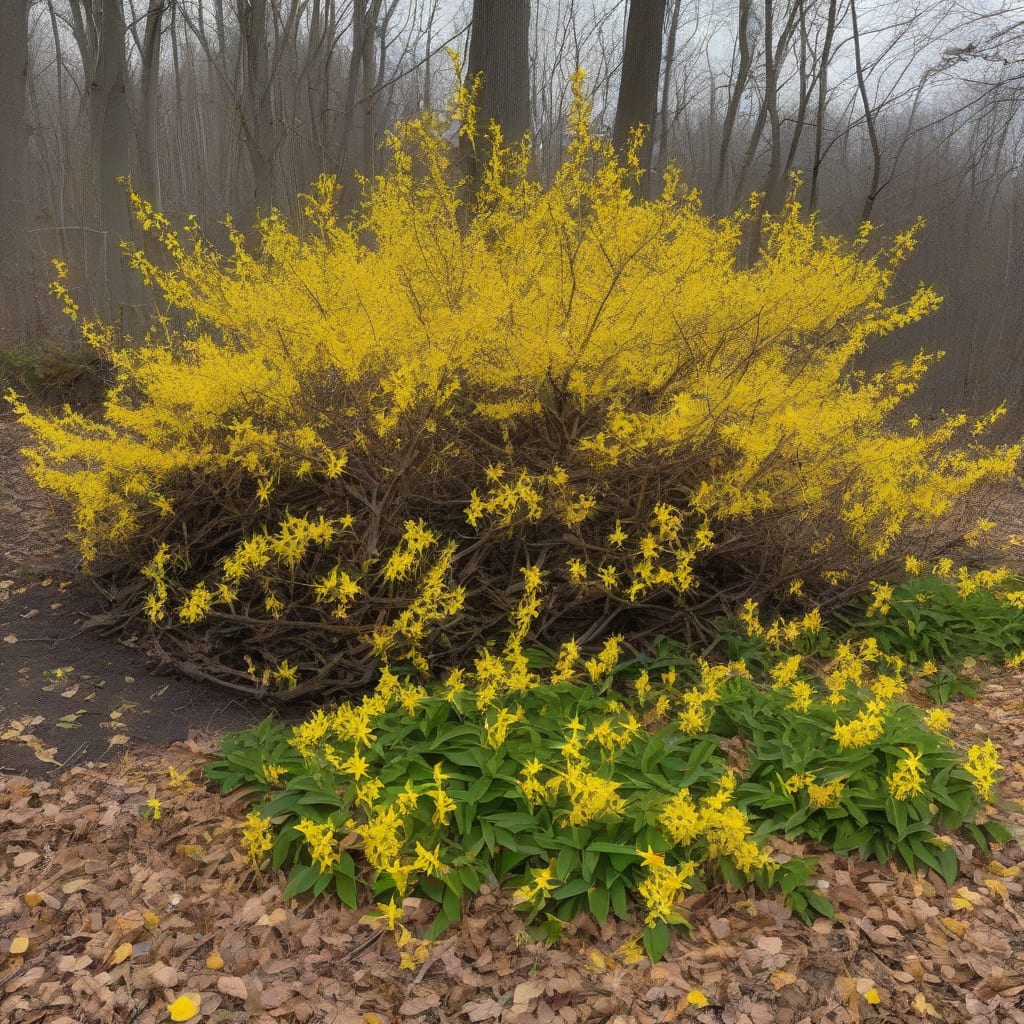
As spring arrives, Forsythia 🌼 bursts into vibrant yellow blooms, signaling warmer days ahead. But have you ever wondered how tall these beautiful shrubs can grow? Understanding their growth patterns is crucial for perfect garden placement.
Forsythia typically grows between 3 to 10 feet tall, depending on the variety and growing conditions. In USDA Zone 6, you can expect these shrubs to thrive and reach their maximum height with proper care and maintenance.


Forsythia shrubs are known for their vibrant yellow blooms that signal the arrival of spring. To properly place them in your garden, it’s essential to understand their growth patterns and maximum height 🌼.
Forsythia typically grows between 3 to 10 feet tall, with the exact height depending on factors such as variety, growing conditions, and pruning practices. Knowing these factors will help you choose the right variety for your garden space.
The average growth rate of Forsythia is about 1 to 2 feet per year until it reaches maturity. Factors such as soil quality, sunlight exposure, and watering practices play a significant role in determining the final height of the Forsythia. Ensuring optimal growing conditions can help your Forsythia reach its maximum potential height 🌿.
Forsythia shrubs are generally considered medium-sized plants, making them suitable for various garden designs. Their height can be influenced by factors such as pruning practices and growing conditions. By understanding these factors, you can better manage the height of your Forsythia shrubs.
In USDA Zone 6, Forsythia is known to thrive and reach its expected mature height. Proper care, including regular watering and fertilization, can help ensure that your Forsythia reaches its full height potential.
Some Forsythia varieties are naturally more compact, while others can grow quite tall. Choosing the right variety for your garden space is crucial to achieving the desired height 🌻.
To maintain the desired height, regular pruning practices are essential. Pruning after the blooming period can help control the height and encourage new growth.
Forsythia shrubs can be used as hedges, borders, or specimen plants in garden designs. Their versatility makes them a popular choice among gardeners.
Understanding the growth patterns and maximum height of Forsythia is key to making informed decisions about their placement in your garden. By considering factors such as variety, growing conditions, and pruning practices, you can ensure that your Forsythia thrives and reaches its full potential 🌼.
With proper care and maintenance, Forsythia can be a beautiful addition to any garden. Their vibrant yellow blooms and manageable size make them a popular choice for gardeners of all levels.
By
Understanding the factors that influence Forsythia height is crucial for gardeners who want to maximize their growth 🌼.
The height of Forsythia shrubs can be affected by several key factors, including soil quality, sunlight exposure, watering practices, and fertilization. By optimizing these conditions, you can help your Forsythia reach its full potential height.
To maximize Forsythia height, ensure optimal growing conditions, including well-draining soil, full sun to partial shade, regular watering, and balanced fertilization after blooming.
Soil quality plays a significant role in determining Forsythia height. These shrubs prefer well-draining soil with a slightly acidic to neutral pH. Poor soil conditions can limit their growth potential.
Sunlight exposure is another critical factor. Forsythia thrives in full sun to partial shade, with a minimum of 6 hours of direct sunlight per day. Insufficient sunlight can result in leggy growth and reduced flowering 🌻.
Watering practices also impact Forsythia height. Consistent moisture, especially during the first year after planting, is essential for establishing a strong root system. However, overwatering can be detrimental 🌿.
Fertilization can promote healthy growth and maximize Forsythia height. A balanced fertilizer applied after blooming can provide the necessary nutrients for optimal growth.
By understanding and optimizing these factors, you can create an ideal environment for your Forsythia to thrive and reach its maximum potential height 🌼.
In addition to these factors, pruning practices can also influence Forsythia height. Regular pruning after blooming can help control the height and encourage bushier growth.
Overall, Forsythia is a versatile and relatively low-maintenance shrub that can add vibrant color to your garden in early spring 🌻.
To maintain the desired height of your Forsythia shrubs, regular pruning is essential 🌼.
Pruning not only helps control the height but also encourages bushier growth and promotes more vibrant blooms. The best time to prune Forsythia is immediately after it finishes blooming in the spring.
Start by removing any dead, damaged, or diseased branches to maintain plant health.
Thin out some of the older branches to encourage new growth and improve air circulation.
Shape the Forsythia to maintain its desired height and promote a balanced structure.
Regular maintenance, including pruning and fertilization, can help ensure that your Forsythia remains healthy and reaches its full potential height 🌿.
By following these pruning steps, you can effectively manage the height of your Forsythia shrubs and enjoy their vibrant blooms for years to come 🌻.
Forsythia shrubs are relatively low-maintenance, making them a great choice for gardeners of all levels. With proper care, they can add a burst of color to your garden in early spring 🌼.
To keep your Forsythia healthy and thriving,
By understanding how to manage Forsythia height through pruning and maintenance, you can enjoy these beautiful shrubs for years to come 🌻.
