
Beautiful Plants For Your Interior
Beautiful Plants For Your Interior
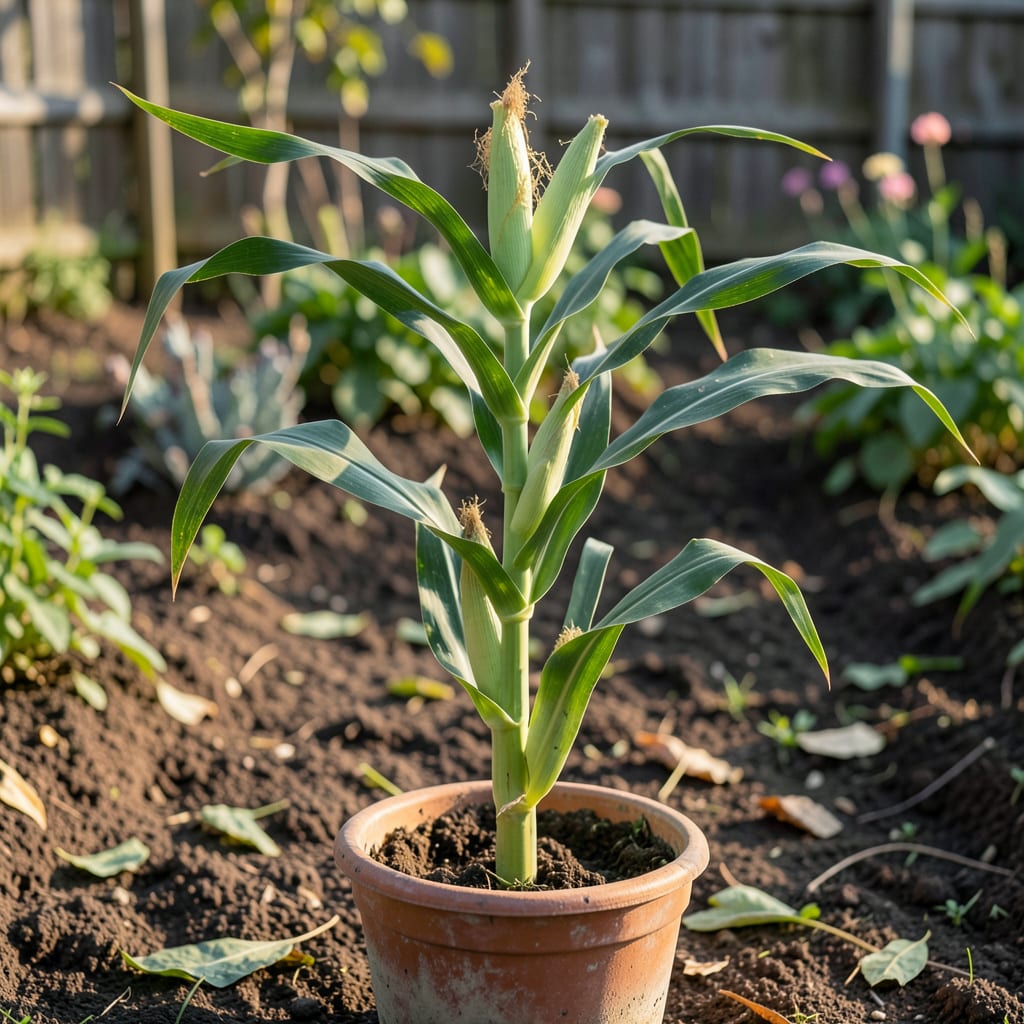
As a corn grower, you’re probably wondering how tall your field corn will grow. The height of corn 🌽 can vary significantly based on factors like genetics, soil quality, and climate conditions. In general, field corn can reach impressive heights.
Understanding the growth patterns of corn is crucial for successful cultivation, especially in regions like USDA Zone 6. Let’s explore the factors that influence corn height and what you can do to optimize growth for a bountiful harvest.


Field corn is a versatile crop that serves as a staple in agriculture, and understanding its growth patterns is crucial for successful cultivation. The height of field corn can vary significantly based on factors like genetics, soil quality, and climate conditions. In general, field corn can reach impressive heights ranging from 6 to 10 feet or more.
The growth height of field corn is influenced by various factors including the specific corn variety, soil fertility, and farming practices. Farmers and agricultural experts closely monitor these factors to optimize corn growth. Let’s take a closer look at the typical growth characteristics of field corn 🌽.
The height of field corn is a critical factor in determining its yield and overall health. Factors such as soil moisture, nutrient availability, and plant spacing all play a role in determining how tall field corn will grow. Proper agricultural practices can help maximize corn height and yield.
Understanding these growth patterns is essential for both small-scale and large-scale corn cultivation. By recognizing the factors that influence corn height, farmers can make informed decisions about planting, maintenance, and harvesting.
Field corn typically grows in USDA Zone 6 with a frost-free period of about 180 days. The ideal planting window is between April and May, when the soil has reached a temperature of at least 60°F. Proper spacing and nutrient management are crucial during this period.
One of the key factors affecting corn height is genetic variation among different corn varieties. Some varieties are bred specifically for taller growth, while others may be more compact. Farmers often choose varieties based on their specific climate and soil conditions.
Soil quality plays a significant role in corn growth. Well-drained, fertile soils with adequate nutrient content support healthier and taller corn plants. Regular soil testing helps farmers determine the necessary amendments to optimize soil conditions for corn cultivation.
Climate conditions, including temperature and rainfall, also impact corn height. Corn requires adequate moisture, especially during critical growth stages like pollination and ear development. Drought conditions can significantly reduce corn height and yield.
Farmers use various farming practices to optimize corn growth. These include proper plant spacing, timely irrigation, and effective pest management. By implementing these practices, farmers can create optimal growing conditions for their corn crops.
In conclusion, understanding the growth heights and patterns of field corn is vital for successful cultivation. By considering factors like genetics, soil quality, and climate conditions, farmers can optimize their corn crops for maximum height and yield 🌽.
Successful corn cultivation requires careful planning and attention to detail throughout the growing season. By focusing on the factors that influence corn height, farmers can improve their chances of a bountiful harvest.
The height of field corn is influenced by multiple factors that interact in complex ways. Understanding these factors is crucial for farmers and agricultural experts to optimize corn growth and maximize yields.
Several key elements play a significant role in determining corn height, including environmental conditions, agricultural practices, and the specific corn variety being cultivated. Let’s explore these factors in more detail 🌽.
Different corn varieties have inherent growth potential that affects their mature height. Some hybrids are bred for taller stalks while others focus on compact growth.
Soil characteristics such as drainage, pH levels, and nutrient content significantly impact corn growth. Well-drained, fertile soils with balanced nutrients support healthier and taller plants.
Temperature, rainfall patterns, and sunlight exposure all contribute to corn height. Adequate moisture during critical growth stages is particularly important for maximum height.
Planting density, irrigation management, and nutrient application all influence corn height. Proper spacing and timely irrigation are particularly critical for achieving optimal growth.
These factors work together to determine the final height of field corn. Farmers must carefully manage these elements to create optimal growing conditions for their corn crops.
Successful corn cultivation requires a comprehensive understanding of how these factors interact. By focusing on the elements that influence corn height, farmers can make informed decisions about planting, maintenance, and harvesting strategies.
The interaction between genetic potential and environmental factors ultimately determines corn height. Farmers who understand these dynamics can better optimize their growing practices to achieve maximum height and yield 🌽.
To maximize field corn height and achieve better yields, farmers must focus on creating optimal growing conditions. The height of corn is directly related to its yield potential, making it crucial to understand how to optimize growth factors 🌽.
Plant corn in well-drained, fertile soils with a balanced NPK fertilizer to support healthy growth and maximize height.
One of the most critical factors in maximizing corn height is soil preparation. Farmers should test their soil regularly to determine its nutrient content and pH levels. Based on these tests, they can apply the necessary amendments to create a fertile growing environment.
Proper planting techniques also play a significant role in maximizing corn height. This includes planting at the correct depth, spacing seeds appropriately, and ensuring good seed-to-soil contact. These practices help establish a strong root system, which is essential for supporting tall corn plants.
Adequate moisture is another crucial factor in maximizing corn height. Corn requires consistent moisture, especially during critical growth stages like pollination and ear development. Farmers should implement effective irrigation strategies to ensure their corn crops receive the water they need.
Nutrient management is equally important for maximizing corn height. Corn is a heavy feeder and requires significant amounts of nitrogen, phosphorus, and potassium. Farmers should develop a nutrient management plan that includes regular fertilization and soil testing to ensure optimal nutrient levels.
In addition to these factors, pest and disease management is critical for maintaining healthy corn plants. Farmers should implement integrated pest management strategies to protect their crops from pests and diseases that can reduce corn height and yield.
By focusing on these key areas, farmers can create the optimal conditions for maximizing field corn height and achieving better yields. Regular monitoring and adjustments throughout the growing season are essential for successful corn cultivation 🌽.
Maximizing corn height not only improves yield potential but also contributes to better overall crop health and resilience. Farmers who understand these principles can optimize their growing practices to achieve the best possible results.
Field corn typically grows to an average height of 8 feet, with variations ranging from 6 to 10 feet or more depending on factors like genetics and growing conditions. Proper soil preparation and nutrient management can help achieve optimal height. The height is influenced by the specific corn variety and environmental factors.
Soil quality plays a significant role in determining field corn height. Well-drained, fertile soils with balanced nutrient content support healthier and taller plants. Regular soil testing helps determine necessary amendments to optimize soil conditions. This ensures optimal growing conditions for maximum height and yield.
Yes, weather conditions significantly impact field corn height. Adequate moisture, especially during critical growth stages like pollination and ear development, is crucial. Drought conditions can reduce corn height and yield, while excessive rainfall can also cause growth issues. Proper irrigation management helps mitigate weather-related challenges.
Field corn typically takes between 70 to 100 days to mature and reach its full height. The exact timeframe depends on factors like the specific corn variety, climate conditions, and farming practices. Monitoring crop development helps farmers predict when corn will reach maturity.
