
Beautiful Plants For Your Interior
Beautiful Plants For Your Interior
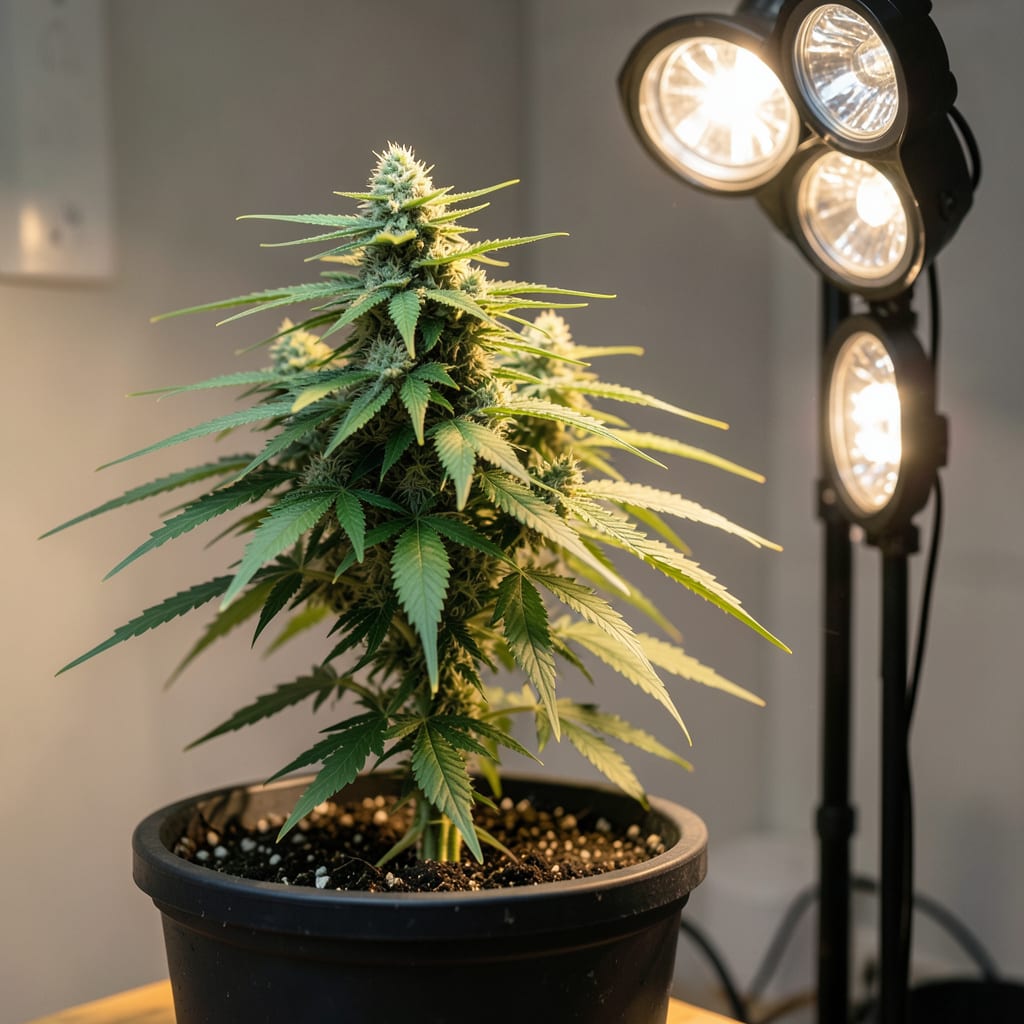
Growing Durban Poison 🌿 indoors can be a rewarding experience when you understand its growth potential. This popular strain can reach impressive heights, but requires specific care to thrive in indoor conditions.
To maximize your yield and keep your plants healthy, it’s essential to understand the factors that influence their height. Let’s explore the key considerations for growing Durban Poison indoors and how to optimize its growth.


Growing Durban Poison indoors requires careful consideration of several factors that affect its height. The strain’s natural tendency is to grow tall, typically between 3 to 6 feet in ideal conditions.
Several key factors influence the final height of Durban Poison plants when grown indoors: container size, lighting conditions, temperature control, and nutrient management. Each of these elements plays a crucial role in determining the plant’s overall development and maximum height 🌿.
The container size directly impacts root development and consequently affects plant height. A larger container provides more room for roots to expand, which can support taller growth. However, it’s essential to balance container size with the plant’s needs to avoid excessive vegetative growth.
Lighting conditions are particularly critical for indoor cultivation. Durban Poison requires intense light to thrive, and insufficient lighting can lead to leggy growth as the plant stretches toward available light sources. Using appropriate grow lights or placing plants near south-facing windows can help achieve the necessary light intensity.
Temperature control is another vital factor. Maintaining temperatures between 65-75°F (18-24°C) during the day and slightly cooler at night promotes healthy growth and helps prevent stress that could affect height.
Nutrient management plays a significant role in plant development. Providing the right balance of nutrients during different growth stages ensures that the plant has the necessary resources to reach its full height potential while maintaining overall health 🌱.
Understanding these factors helps growers create optimal conditions for their Durban Poison plants, maximizing their height potential while maintaining healthy growth.
By carefully managing these elements, growers can influence the final height of their Durban Poison plants and achieve the desired results in indoor cultivation.
The combination of proper container size, lighting, temperature control, and nutrient management creates an environment where Durban Poison can reach its full growth potential.
Successful indoor cultivation of Durban Poison requires attention to these key factors to achieve optimal height and overall plant health.
Creating ideal growing conditions is crucial for maximizing Durban Poison height and overall health indoors. Proper environmental control allows growers to push the plant toward its full height potential while maintaining vigorous growth.
Lighting setup is particularly critical for indoor cultivation. Durban Poison requires intense light to thrive, typically needing 12-18 hours of light daily. Using appropriate grow lights or placing plants near south-facing windows can help achieve the necessary light intensity 🌟.
Maintain consistent temperature between 65-75°F (18-24°C) during the day and slightly cooler at night to promote healthy growth and maximize height potential.
Temperature control is vital for healthy plant development. Maintaining optimal temperatures between 65-75°F (18-24°C) during the day and slightly cooler at night promotes healthy growth and helps prevent stress that could affect height 🌡️.
Humidity levels also play a significant role in indoor cultivation. Keeping relative humidity between 40-60% during different growth stages helps prevent moisture stress and supports overall plant health 🌱.
Pruning techniques are essential for managing plant height and promoting bushier growth. Regular pruning helps maintain the desired height while encouraging more lateral branching, which can lead to increased yield potential ✂️.
By implementing these practical tips, growers can create an optimal indoor environment that supports maximum Durban Poison growth and helps plants reach their full height potential.
Successful indoor cultivation requires attention to these key environmental factors to achieve optimal height and overall plant health.
Maintaining the right balance of lighting, temperature, humidity, and pruning practices creates ideal conditions for Durban Poison to thrive indoors.
Managing Durban Poison height indoors requires specific training techniques to control vertical growth while promoting healthy development. These methods help maintain desired plant height and improve overall yield potential.
Several effective techniques help manage Durban Poison height in indoor growing environments. These include topping, Low-Stress Training (LST), and strategic pruning strategies.
Remove the main growing tip to encourage branching and create a more bushy plant structure.
Gently bend and secure branches to create a more even canopy, maximizing light exposure.
Regular pruning helps maintain desired height while encouraging more lateral branching and increased bud sites.
These training techniques allow growers to effectively manage Durban Poison height while promoting healthier plant development. Regular maintenance through these methods helps create a more uniform canopy and maximizes space utilization in indoor growing environments.
Implementing these height management techniques requires careful observation and regular maintenance to achieve optimal results while maintaining plant health 🌱.
Successful height management through training techniques leads to better light distribution, improved air circulation, and ultimately higher quality yields.
By mastering these techniques, growers can effectively control Durban Poison height and create optimal growing conditions for maximum yield potential.
Durban Poison typically grows between 3 to 6 feet tall when cultivated indoors, depending on factors like container size, lighting, and training techniques. Proper care can help maximize its height potential.
You can manage Durban Poison height through techniques like topping, Low-Stress Training (LST), and regular pruning. These methods help create a bushier plant structure and maintain desired height.
Durban Poison requires intense light, typically needing 12-18 hours of light daily. Using appropriate grow lights or placing plants near south-facing windows helps achieve the necessary light intensity.
Water your Durban Poison plants every 2-3 days, depending on the moisture levels in the soil. Ensure the soil isn’t too dry or waterlogged to promote healthy growth.
