
Beautiful Plants For Your Interior
Beautiful Plants For Your Interior
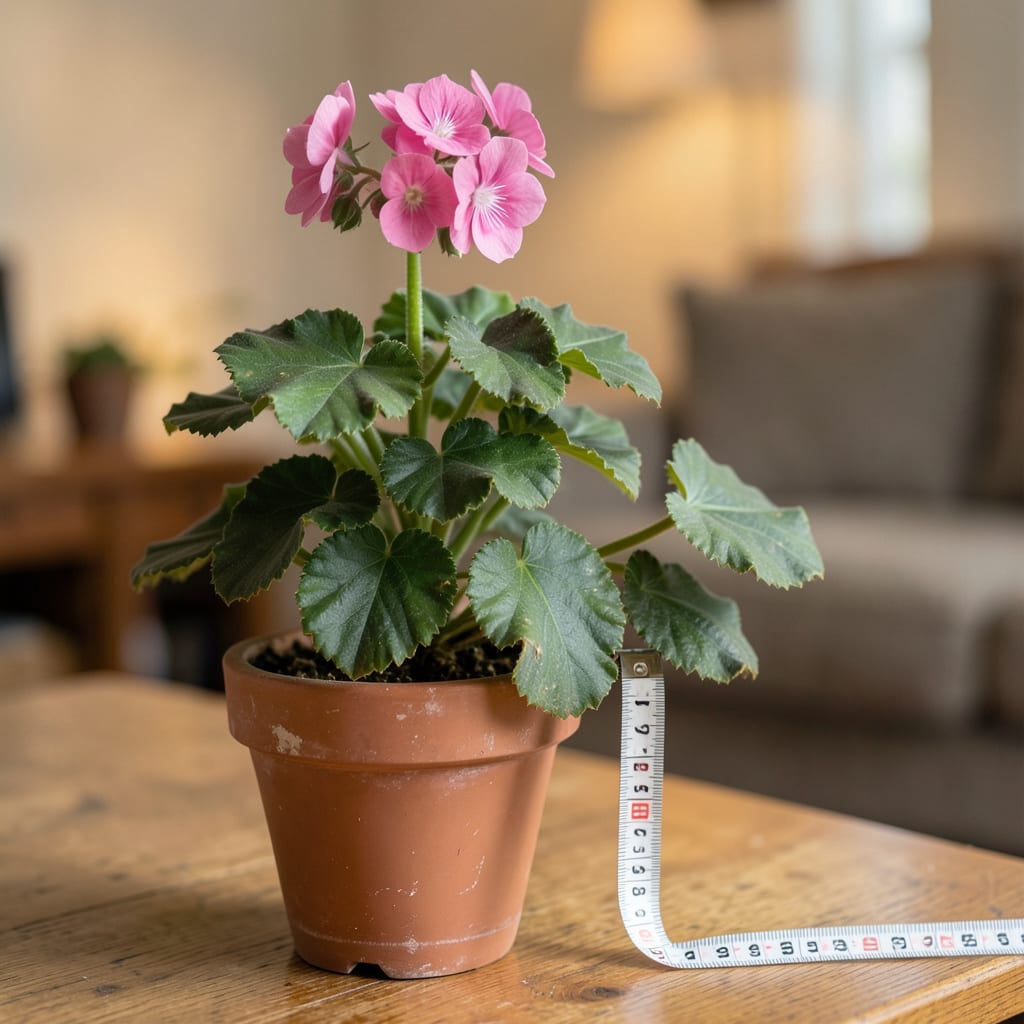
As I gaze at my Begonia 🌺, I’m always amazed by its beautiful foliage and vibrant blooms. But have you ever wondered how tall it can grow? Understanding Begonia height expectations is crucial for optimal care and display.
Begonias can grow anywhere from 0.5 to 3 feet tall, depending on the variety and growing conditions. In USDA zone 6a, where I live, Begonias typically thrive in partial shade with proper care. Let’s dive into the factors that influence their growth and how to manage their height.

Begonias are diverse plants with varying growth habits, and understanding their height expectations is essential for optimal care and display. The height of Begonias can range from 0.5 to 3 feet, depending on the variety and growing conditions.
In general, Begonias can be categorized into three main types based on their growth habits: compact, trailing, and upright varieties. Each type has its unique height characteristics, which I’ll explore in more detail below 🌺.
The height of Begonias is influenced by various factors, including light, watering, soil quality, and temperature. Understanding these factors is crucial for managing the height of your Begonias and ensuring they thrive.
For instance, Begonias grown in bright, indirect light tend to grow taller than those in low-light conditions. Similarly, consistent moisture levels and well-draining soil can promote healthy growth and development.
To give you a better understanding of the factors that influence Begonia height, let’s explore the specific conditions that can impact their growth. By understanding these factors, you can take steps to optimize the growth of your Begonias and achieve the desired height.
Light is a critical factor in determining Begonia height. Most Begonias prefer bright, indirect light, which promotes healthy growth and development. However, some varieties can tolerate low light conditions, although this may affect their height and overall appearance.
Watering is another important factor to consider. Begonias prefer consistently moist soil but can be susceptible to root rot if the soil is too wet. Finding the right balance is key to promoting healthy growth and preventing issues that can impact height.
Soil quality also plays a significant role in determining Begonia height. Well-draining soil with a balanced fertilizer can promote healthy growth, while poor soil conditions can lead to stunted or leggy growth.
Temperature is another factor that can impact Begonia height. Most Begonias prefer temperatures between 65-75°F (18-24°C), although some varieties can tolerate a wider range.
By understanding the factors that influence Begonia height, you can take steps to optimize their growth and achieve the desired height. Whether you’re growing compact, trailing, or upright Begonias, providing the right conditions and care can help you achieve success.
In summary, Begonias can grow anywhere from 0.5 to 3 feet tall, depending on the variety and growing conditions. By understanding the factors that influence their height and providing optimal care, you can enjoy healthy, thriving Begonias that add beauty and interest to your garden or indoor space 🌼.
Begonias are sensitive plants that require specific conditions to grow optimally. The height of Begonias is influenced by various factors, including light, watering, soil quality, and temperature. Understanding these factors is crucial for managing the height of your Begonias and ensuring they thrive 🌺.
Light is a critical factor in determining Begonia height. Most Begonias prefer bright, indirect light, which promotes healthy growth and development. However, some varieties can tolerate low light conditions, although this may affect their height and overall appearance.
Light, watering, soil quality, and temperature all play a role in determining Begonia height. By understanding and managing these factors, you can optimize the growth of your Begonias.
Watering is another important factor to consider. Begonias prefer consistently moist soil but can be susceptible to root rot if the soil is too wet. Finding the right balance is key to promoting healthy growth and preventing issues that can impact height.
Soil quality also plays a significant role in determining Begonia height. Well-draining soil with a balanced fertilizer can promote healthy growth, while poor soil conditions can lead to stunted or leggy growth.
Temperature is another factor that can impact Begonia height. Most Begonias prefer temperatures between 65-75°F (18-24°C), although some varieties can tolerate a wider range 🌟.
By understanding the factors that influence Begonia height, you can take steps to optimize their growth and achieve the desired height. Whether you’re growing compact, trailing, or upright Begonias, providing the right conditions and care can help you achieve success.
In summary, Begonias require careful attention to their growing conditions to reach their full height potential. By managing factors like light, watering, soil quality, and temperature, you can promote healthy growth and enjoy thriving Begonias 🌼.
I always find that managing Begonia height requires a combination of proper pruning techniques and support methods. By understanding how to prune and support your Begonias, you can control their height and promote healthy growth 🌺.
Pruning is an essential step in managing Begonia height. By removing leggy stems and trimming back overgrown branches, you can encourage bushy growth and prevent your Begonias from becoming too tall.
Cut back leggy stems to encourage bushy growth and prevent the plant from becoming too tall.
Trim back overgrown branches to maintain the desired shape and size of your Begonias.
Use stakes or trellises to provide support for tall Begonias and keep them upright.
In addition to pruning, providing support can help manage Begonia height. Using stakes or trellises can keep tall Begonias upright and prevent them from toppling over.
By combining proper pruning techniques with support methods, you can effectively manage Begonia height and promote healthy growth. Whether you’re growing compact, trailing, or upright Begonias, understanding how to prune and support your plants can help you achieve success 🌼.
Some other tips to keep in mind when managing Begonia height include monitoring your plants regularly for signs of legginess or overgrowth, and adjusting your pruning and support strategies accordingly.
By following these tips and techniques, you can enjoy healthy, thriving Begonias that add beauty and interest to your garden or indoor space 🌺.
Begonias can grow anywhere from 0.5 to 3 feet tall, depending on the variety. Compact varieties tend to be shorter, while upright types can reach the maximum height. Proper care can help them reach their full potential height .
You can control your Begonia’s height through pruning and providing support. Remove leggy stems and trim back overgrown branches to encourage bushy growth. Using stakes or trellises can also help keep tall Begonias upright .
Several factors influence Begonia height, including light, watering, soil quality, and temperature. Begonias grown in bright, indirect light tend to grow taller than those in low-light conditions. Consistent moisture and well-draining soil also promote healthy growth .
Yes, some Begonia varieties can become too tall if not properly pruned or supported. Upright Begonias can reach 1.5-3 feet in height. Regular monitoring and pruning can help maintain the desired height and prevent them from becoming leggy .
